Best Time to Visit the Philippines
As participants in Amazon Associates and other programs, we earn from qualifying purchases. This comes at no additional cost to you. For more details, see our Affiliate Disclosure.
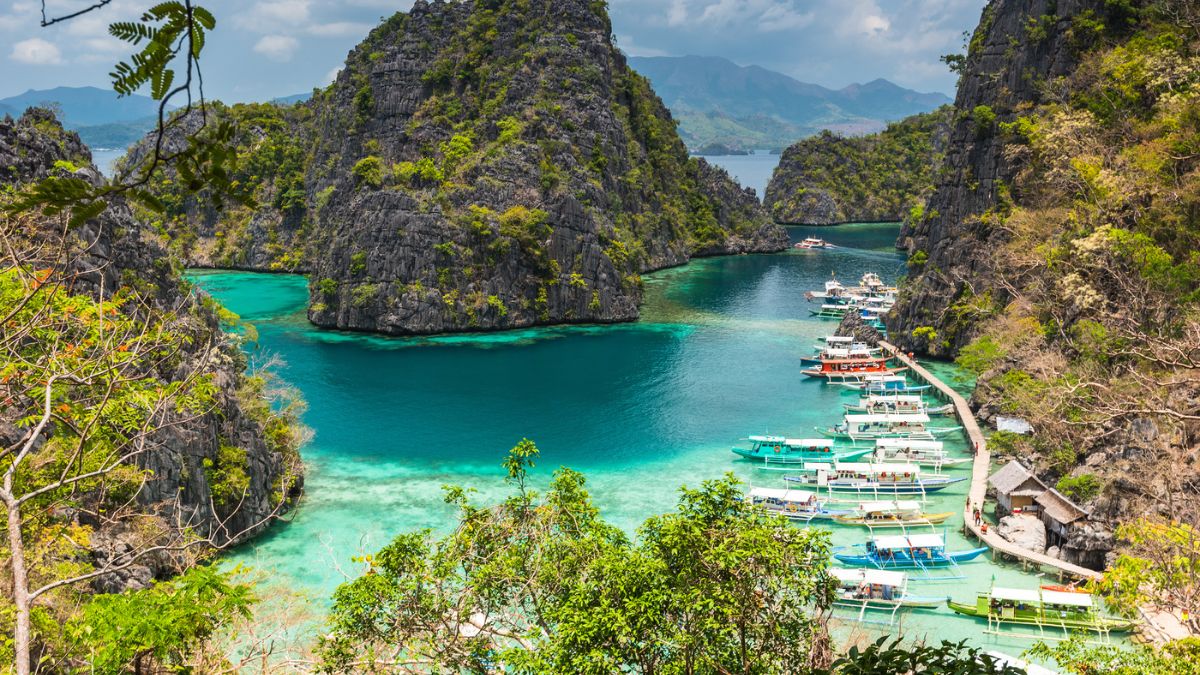
The Philippines’ emerald islands, vibrant festivals, and warm hospitality make it a tropical paradise that hums with life. The best time to visit the Philippines is the dry season (November to April), when sunny skies, warm temperatures, and calm seas create perfect conditions for exploring. You’ll dive in Palawan’s coral reefs, hike Bohol’s Chocolate Hills, or lounge on Boracay’s beaches with minimal rain and maximum beauty.
This season lets you soak in the country’s 7,000-plus islands, from Cebu’s waterfalls to Manila’s historic streets. Whether you’re tasting adobo or island-hopping in El Nido, the dry season makes every moment unforgettable. Let’s dive into why these months shine and how to plan your Philippine adventure.

Weather That Invites Adventure
From November to April, the Philippines enjoys warm, dry weather with temperatures between 26-32°C. You can snorkel in Apo Reef or trek to Taal Volcano without the wet season’s typhoons or sticky humidity. Coastal areas like Siargao are ideal for surfing, with clear waters and steady waves.
Mornings are bright, perfect for sunrise boat trips in Coron or market visits in Davao before the midday heat. Evenings cool slightly, great for beachside lechon feasts or nightlife in Puerto Princesa.
Unlike June to October’s heavy rains or storm risks, the dry season keeps your plans smooth. A light cover-up for breezy nights is all you need to roam from jungles to shores.
Quieter Beaches, Local Vibes
Summer holidays pack resorts like Boracay, but November and April are less crowded than December-January, giving you space at spots like Panglao’s Alona Beach or Intramuros in Manila. Smaller islands like Siquijor or Camiguin feel intimate, with locals sharing stories over kinilaw.
Dive shops in Anilao and beach bars in La Union have shorter waitlists, so you can book a coral tour or grab a San Miguel without hassle. Even popular boat routes, like El Nido’s island-hopping, feel more personal with fewer crowds.
This season lets you tap into the Philippines’ heart. You might join a pickup basketball game in Dumaguete or chat with fishermen at a Palawan market, feeling the islands’ laid-back rhythm.
Festivals and Cultural Energy
The dry season is packed with Filipino celebrations. January’s Sinulog Festival in Cebu fills streets with colorful parades, dances, and street food, honoring the Santo Niño. February’s Panagbenga in Baguio showcases flower floats and indigenous music in the cool highlands.
April’s Moriones Festival in Marinduque blends faith and folklore, with locals in Roman centurion masks reenacting biblical tales. Smaller events, like mango festivals in Zambales or seafood fests in Roxas, highlight fresh crab and tropical fruits.
Markets brim with calamansi, jackfruit, and woven mats, and you can join cooking classes in Iloilo or bamboo rafting in Loboc. The dry season makes it easy to dive into the Philippines’ flavors and traditions.
Nature’s Tropical Splendor
The Philippines’ landscapes dazzle in the dry season. Palawan’s Tubbataha Reefs and Bohol’s tarsier sanctuaries thrive, perfect for diving or wildlife spotting. Beaches like Nacpan and White Beach glow under the sun, ideal for kayaking or sunset strolls.
Wildlife is vibrant—whale sharks gather in Donsol, easily seen on snorkel trips, while hornbills and monkeys roam Sierra Madre’s forests. Rice terraces in Banaue are green and accessible, stunning for hiking or photography.
For adventure, try kitesurfing in Boracay or spelunking in Sagada’s caves. The stable weather makes every moment—from waterfall chasing in Siquijor to volcano treks in Legazpi—feel alive and effortless.
Travel Made Smoother
The dry season is the Philippines’ peak, but booking early scores deals on flights to Manila or Cebu, and accommodations—from guesthouses in Tagbilaran to resorts in El Nido—offer more options outside Christmas and Easter. Boat transfers and island tours are easier to arrange.
Restaurants serve seasonal dishes like sinigang or halo-halo at fair prices, and activities like zip-lining in Davao or dolphin-watching in Bohol have flexible bookings in November or April. Day trips to Malapascua or Caramoan run smoothly with calm seas.
The stable weather means no canceled ferries or flooded roads. You can focus on savoring the Philippines’ magic—whether it’s a rum cocktail in Siargao or a sunset over Manila Bay—without a hitch.