8 Countries Where US Dollar Stretches 3x Further
As participants in Amazon Associates and other programs, we earn from qualifying purchases. This comes at no additional cost to you. For more details, see our Affiliate Disclosure.
The US dollar dominates purchasing power in dozens of markets — but these 8 countries where US dollar goes far stand in a league of their own.
1. Vietnam: Ultra-Low Cost of Living with Strong Purchasing Power for Accommodation and Daily Street Food
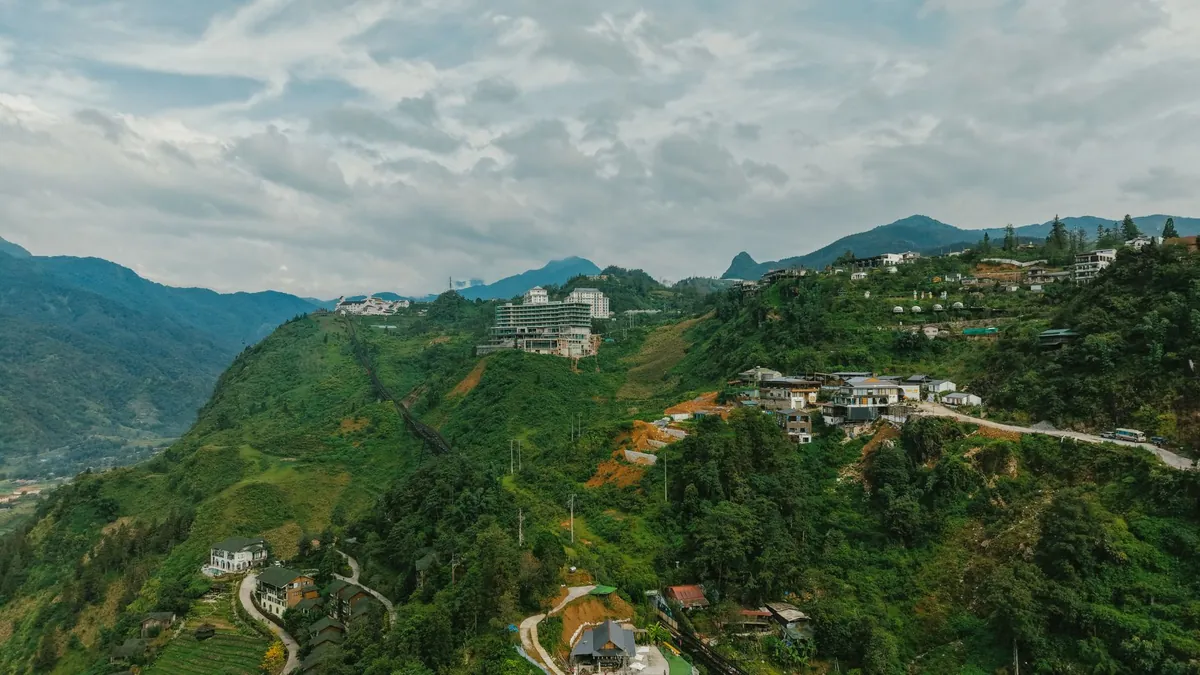
Vietnam delivers one of the lowest daily expenditure rates in Southeast Asia, with street meals averaging $1–$3 and private rooms under $20 per night. Dental work and minor medical procedures cost a fraction of US prices, making it a top pick for long-term travel strategies.
- Key Takeaway: A $1,500/month budget funds a comfortable mid-range lifestyle in Hanoi or Ho Chi Minh City.
2. Philippines: Exceptional Value for Housing, Dining, and Daily Expenses Across Island Communities

The Philippine peso gives US dollar holders outsized buying power across both urban centers and island communities. Rental apartments in Cebu or Davao run $300–$500/month, and local dining rarely exceeds $5 per meal.
- Key Takeaway: English is widely spoken, reducing friction for long-term relocation or extended stays.
3. Thailand: Affordable Urban and Rural Living with Minimal Impact on Monthly Budget Allocation

Thailand’s baht keeps living costs accessible whether you’re in Bangkok or Chiang Mai. According to medical tourism cost comparisons, cardiac and orthopedic procedures in Thailand cost up to 70% less than identical US treatments.
- Key Takeaway: Monthly budgets of $1,200 cover rent, food, transport, and leisure comfortably.
4. Mexico: Favorable Exchange Rates Enabling Mid-Range Lifestyle at Budget-Tier Pricing
Mexico’s proximity to the US makes it the most accessible country where the dollar stretches significantly. Understanding per-night accommodation pricing helps budget travelers maximize value in cities like Oaxaca and Mérida.
- Key Takeaway: Dental work in Mexico costs 60–80% less than equivalent US procedures.
5. Colombia: Emerging Destination with Depressed Currency and Accessible Cost Structure for Travelers
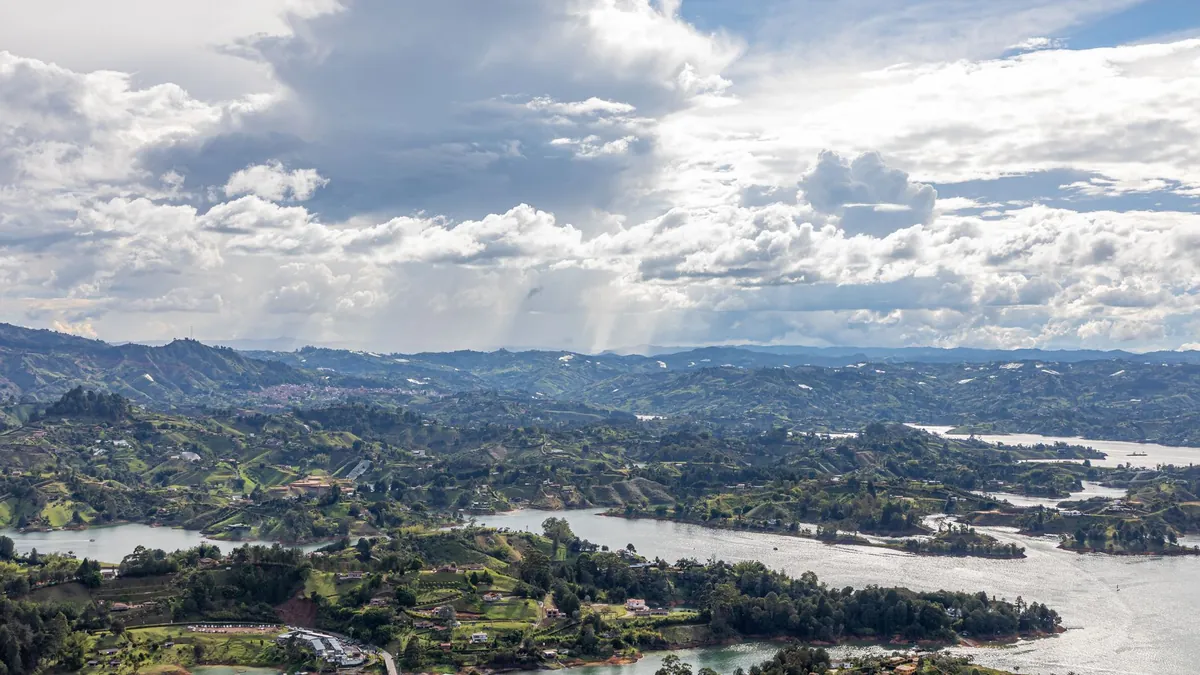
The Colombian peso’s depreciation against the dollar creates exceptional purchasing power for US-based travelers and expats. Medellín’s modern infrastructure, fast internet, and $600/month rent make it a leading digital nomad hub.
- Key Takeaway: Full-service restaurants in Bogotá average $6–$10 per person for a three-course meal.
6. Albania: Undervalued Balkan Nation Offering European Standards at Fraction of Western Prices
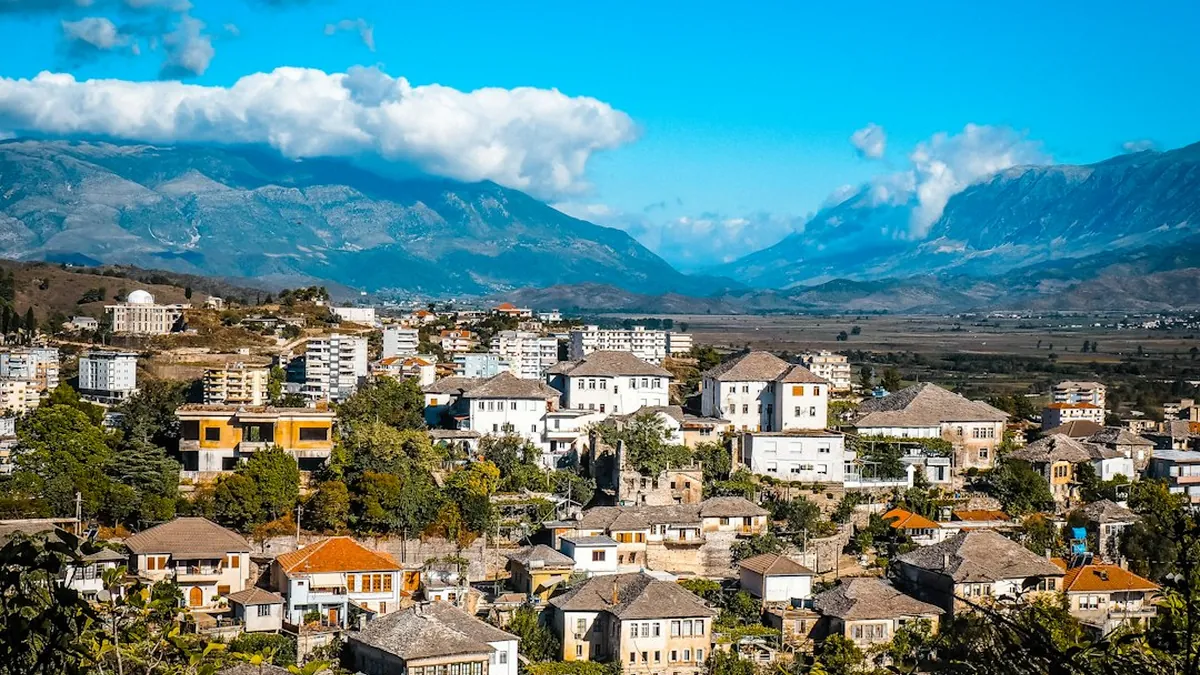
Albania offers EU-adjacent infrastructure, Adriatic coastline, and dramatically lower costs than neighboring Italy or Greece. Monthly living expenses average $800–$1,100, covering rent, utilities, and daily dining.
- Key Takeaway: Albania is visa-free for US citizens for stays up to one year.
7. Georgia: Caucasus Region Hub with Exceptional Hospitality Sector Affordability and Low Transportation Costs

Georgia’s flat tax system and low cost base attract expats and investors alike. As noted by real estate investment analysts, the Georgian lari keeps property and rental costs well below Western European benchmarks.
- Key Takeaway: Tbilisi offers furnished apartments from $400/month with no income tax on foreign earnings.
8. Indonesia: Archipelago Nation Delivering Premium Experiences at Minimal Daily Expenditure Across Bali and Beyond

Bali remains one of the most dollar-friendly destinations globally, with villa rentals, spa treatments, and restaurant meals all priced far below US equivalents. St. Lucia’s citizenship-by-investment program starting at $300,000 in real estate offers a complementary path for those seeking a second passport alongside Southeast Asian residency.
- Key Takeaway: A $50/day budget in Bali covers accommodation, meals, transport, and activities with ease.