7 Underrated Historic Sites Rivaling Famous Landmarks
As participants in Amazon Associates and other programs, we earn from qualifying purchases. This comes at no additional cost to you. For more details, see our Affiliate Disclosure.
Every year, millions of travelers queue for hours at the same handful of monuments, convinced that prestige equals significance. America’s most celebrated landmarks dominate travel feeds and bucket lists, creating a cultural blind spot so pervasive that genuinely extraordinary places sit quietly in the shadows, waiting for curious visitors who dare to look elsewhere.
The truth is that venturing even a few miles beyond the obvious tourist corridor consistently delivers richer, more authentic historical encounters — and often at a fraction of the cost. These 7 underrated historic sites across America carry stories just as monumental as anything on the National Mall, yet remain refreshingly uncrowded and deeply underappreciated.
1. Cahokia Mounds: Ancient Mississippian Metropolis Predating European Contact by Centuries
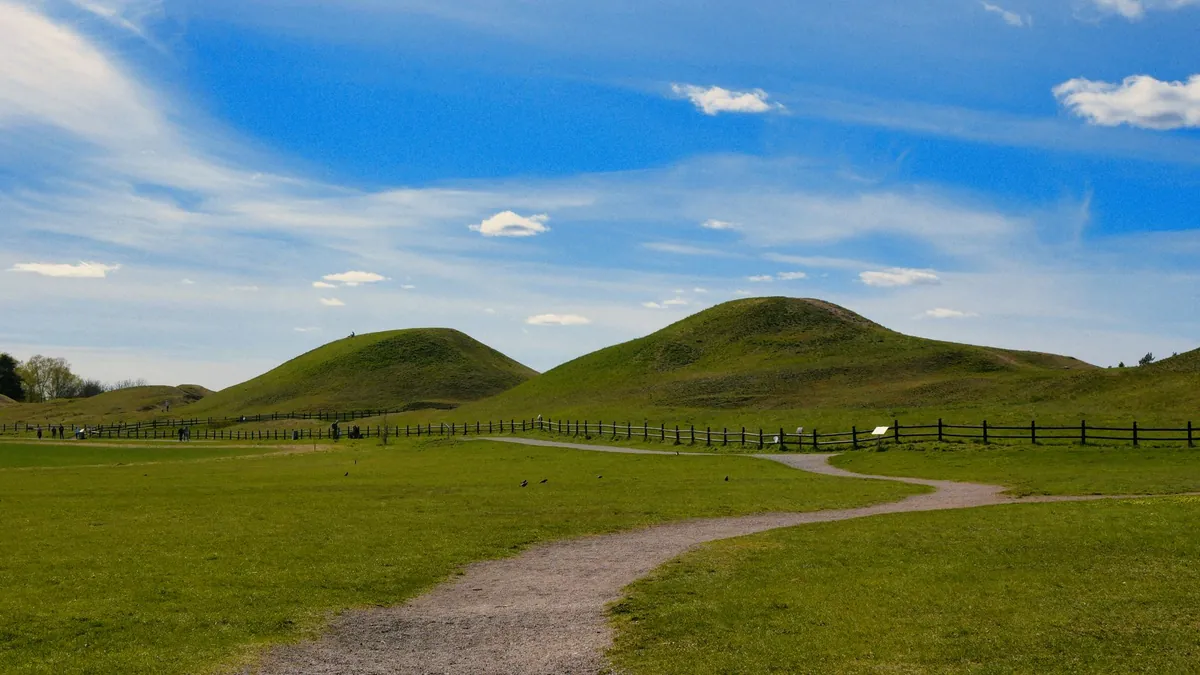
Located just outside St. Louis, Cahokia was once the largest pre-Columbian city north of Mexico, housing an estimated 20,000 residents at its peak around 1100 CE. Its 72 surviving earthen mounds represent extraordinary urban planning that most Americans have never even heard of. The site’s scale and sophistication consistently stun first-time visitors expecting something modest.
- Key Reality: Admission to the Cahokia Mounds State Historic Site is completely free, making it one of America’s most accessible archaeological wonders.
2. Castillo de San Marcos: Spanish Colonial Fortress Showcasing Military Architecture and Strategic Coastal Defense
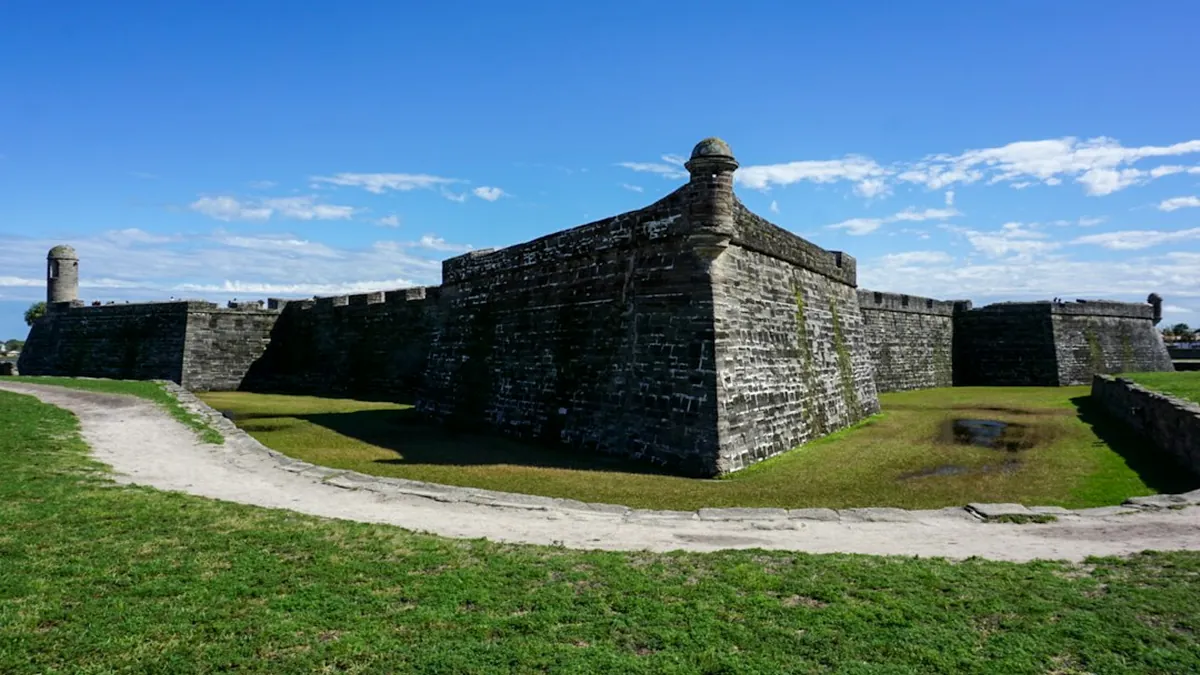
Standing in St. Augustine, Florida, Castillo de San Marcos is the oldest masonry fort in the continental United States, constructed between 1672 and 1695 from a unique shell-stone called coquina. Its star-shaped design and ocean-facing bastions represent the pinnacle of 17th-century European military engineering. Most visitors to Florida’s coast never realize this fortress is just hours from major beach destinations worth pairing with spring break travel plans.
- Key Reality: Entry costs just 15 dollars per adult, with children 15 and under admitted free through the National Park Service.
3. Angel Island Immigration Station: Gateway to America’s Pacific Immigration History and Cultural Heritage
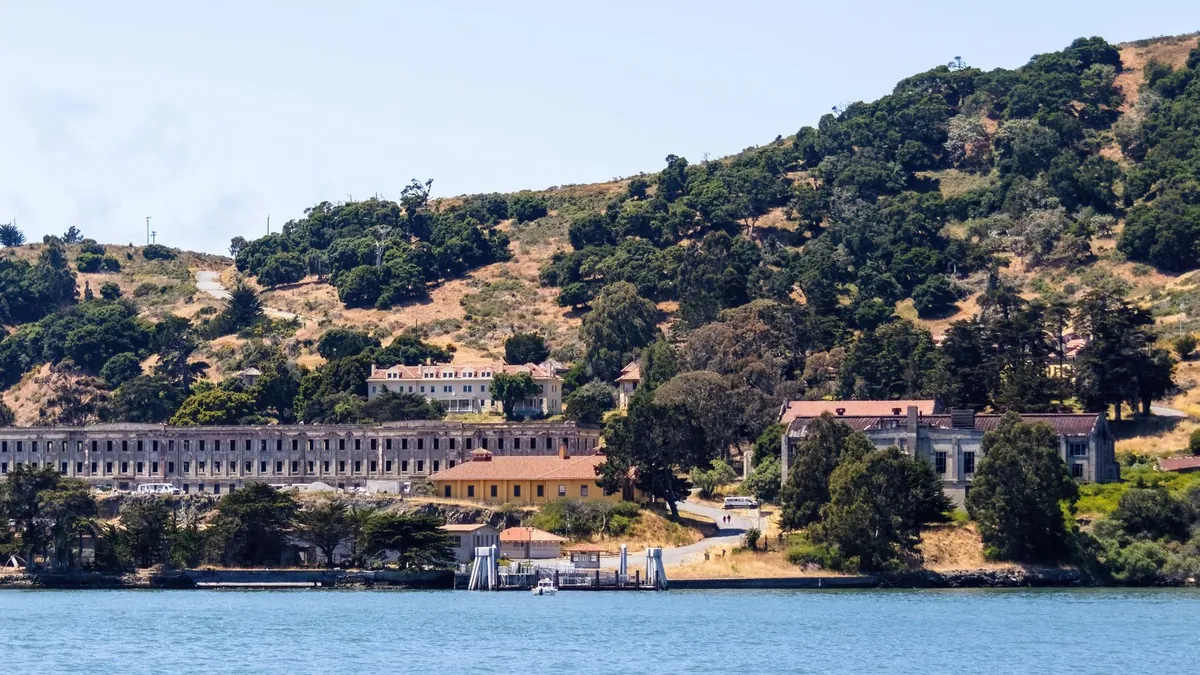
Often called the “Ellis Island of the West,” Angel Island processed approximately 500,000 immigrants between 1910 and 1940, primarily from Asia. Unlike Ellis Island’s relatively brief detentions, many arrivals here faced months of interrogation under the Chinese Exclusion Act. The poetry carved into barrack walls by detained immigrants remains one of the most haunting and humanizing artifacts in American history.
- Key Reality: The island is accessible only by ferry, with round-trip tickets averaging around 18 dollars from Tiburon or San Francisco.
4. Monocacy National Battlefield: Pivotal Civil War Engagement That Shaped the Course of the Conflict

Fought in July 1864 near Frederick, Maryland, the Battle of Monocacy is often called “the battle that saved Washington,” as Union forces delayed Confederate General Jubal Early’s advance long enough to allow reinforcements to reach the capital. Despite its strategic importance, the battlefield draws a fraction of the visitors that Gettysburg receives annually. As conservation efforts at historic sites increasingly involve collaborative community stewardship, Monocacy stands as a model of thoughtful preservation.
- Key Reality: Admission is entirely free, and the visitor center offers immersive exhibits covering all 5 distinct battlefield areas.
5. San Xavier del Bac Mission: Spanish Colonial Religious Architecture and Indigenous Cultural Fusion in the Desert Southwest
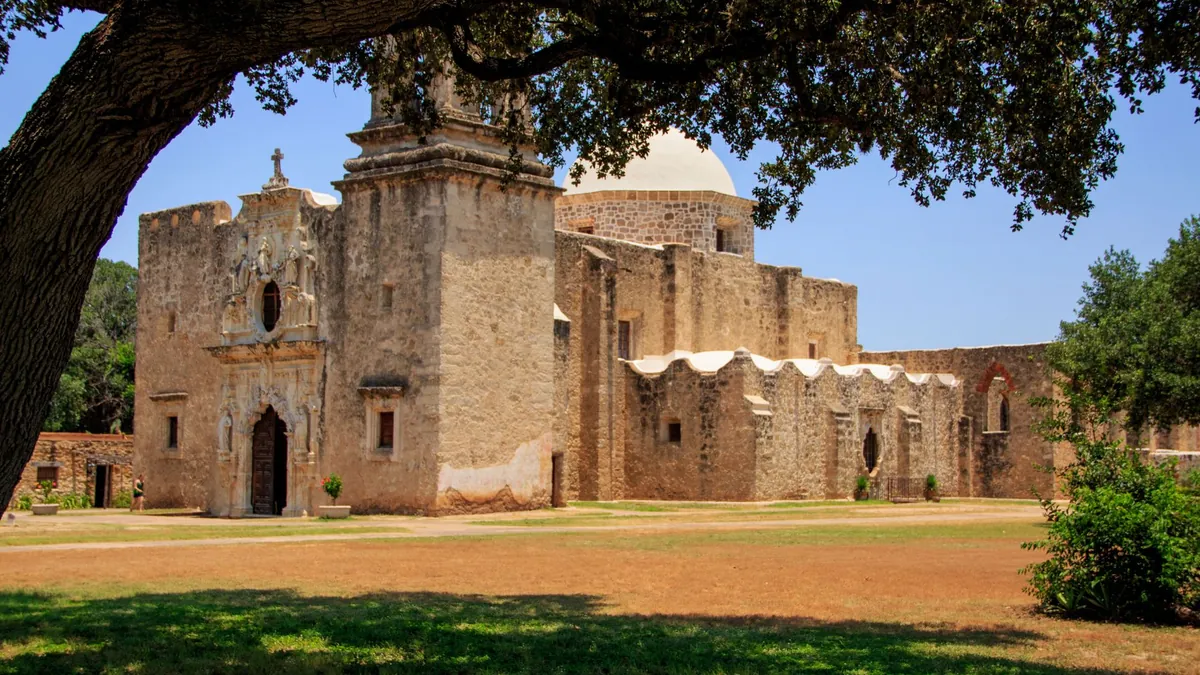
Rising dramatically from the Sonoran Desert south of Tucson, Arizona, San Xavier del Bac Mission has been an active place of worship since its founding in 1692 by Father Eusebio Kino. Its ornate white baroque facade, nicknamed the “White Dove of the Desert,” conceals breathtaking interior frescoes that blend Spanish Catholic iconography with Tohono O’odham artistic traditions. This living mission remains one of the finest examples of colonial architecture anywhere in North America.
- Key Reality: Entry is free, though a suggested donation of 5 dollars supports ongoing restoration of its irreplaceable interior artwork.
6. Manzanar National Historic Site: Japanese American Internment Camp Documenting a Critical Civil Rights Chapter

Situated in California’s Owens Valley against the dramatic backdrop of the Sierra Nevada, Manzanar held over 10,000 Japanese Americans during World War II — stripped of their homes, businesses, and constitutional rights. The site’s interpretive center presents survivor testimony and artifacts with unflinching honesty, making it one of the most emotionally significant destinations in the American West. Around 16% of the world’s population lives with disabilities, and the accessibility challenges at historic sites like Manzanar are actively being addressed to ensure all visitors can engage with this critical history.
- Key Reality: Admission is completely free, and the award-winning visitor center is open 365 days a year.
7. Poverty Point: Neolithic Earthwork Complex Revealing Advanced Pre-Columbian Settlement and Trade Networks
Located in northeastern Louisiana, Poverty Point is a UNESCO World Heritage Site comprising massive earthen ridges and mounds constructed around 1700 BCE by a sophisticated hunter-gatherer society. The sheer engineering scale — moving an estimated 750,000 cubic meters of earth without metal tools or domesticated animals — challenges every assumption about “primitive” ancient peoples. Smart travelers who pair this stop with broader pre-departure travel habits will find the Louisiana backcountry surprisingly rewarding to navigate.
- Key Reality: Entry costs just 4 dollars per adult, making it one of the most affordable UNESCO sites anywhere in the world.
America’s historical depth extends far beyond its most photographed monuments, and these 7 sites prove that the most resonant stories are often found off the beaten path. Skipping the crowds doesn’t mean sacrificing significance — it means trading a selfie spot for a genuine encounter with history. Which of these underrated historic sites across America surprised you most, and do you have a hidden gem of your own to add — drop it in the comments below!