11 Affordable European Cities Where You Can Walk Everywhere
As participants in Amazon Associates and other programs, we earn from qualifying purchases. This comes at no additional cost to you. For more details, see our Affiliate Disclosure.
Europe has long seduced travelers with the promise of cobblestone streets, open-air markets, and neighborhoods built for human feet rather than car engines. Yet the loudest cities on every travel influencer’s feed — Paris, Amsterdam, Rome — have quietly priced out the very wandering spirit that made them iconic in the first place.
The real walkable gems are hiding in plain sight, scattered across Central and Eastern Europe where a full day of exploring costs less than a single café stop in London. Research into surprisingly cheap European destinations consistently surfaces the same pattern: compact historic cores, low transit costs, and streets designed centuries before the automobile existed. These 11 cities prove that the best walks in Europe don’t require a premium budget.
1. Krakow, Poland: Medieval Old Town with Compact Walkable Streets and Historic Architecture
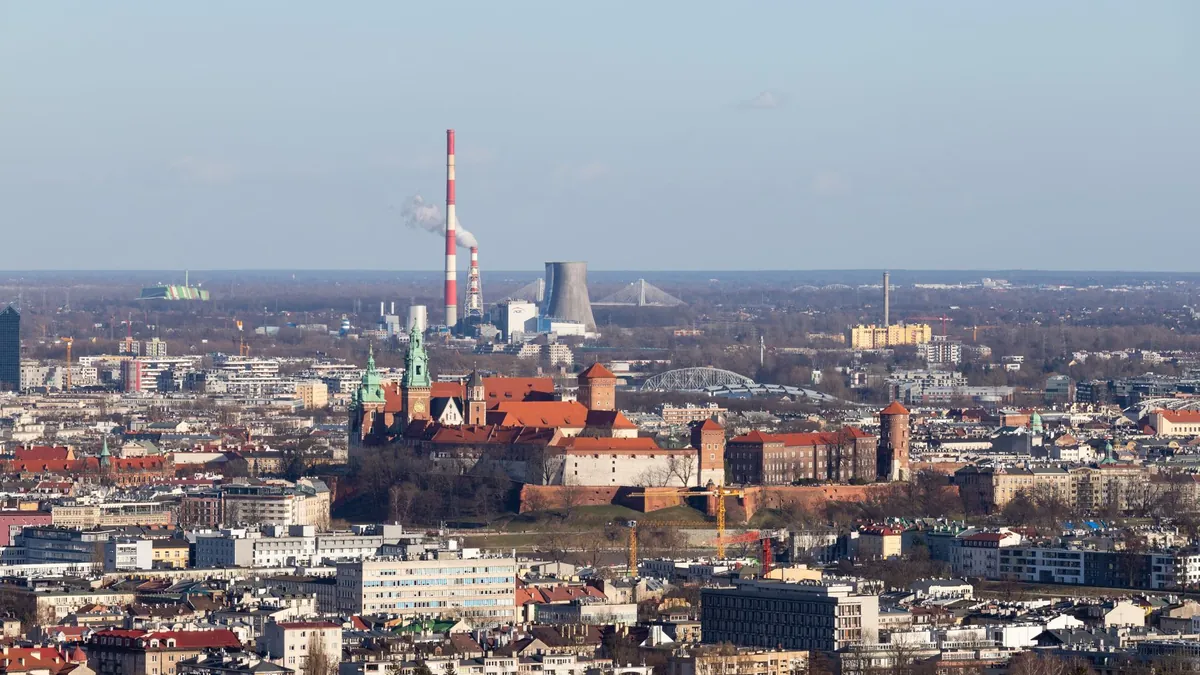
Krakow’s UNESCO-listed Old Town sits within a tight, logical grid that rewards aimless wandering at every turn. The Royal Road from Floriańska Gate to Wawel Castle is entirely pedestrian, lined with Gothic churches and milk bars where a full meal costs under 5 dollars.
- Key Reality: Daily walking budgets average 20–35 dollars including food, entry fees, and coffee.
2. Budapest, Hungary: Riverside Neighborhoods Connected by Pedestrian Bridges and Thermal Bath Districts
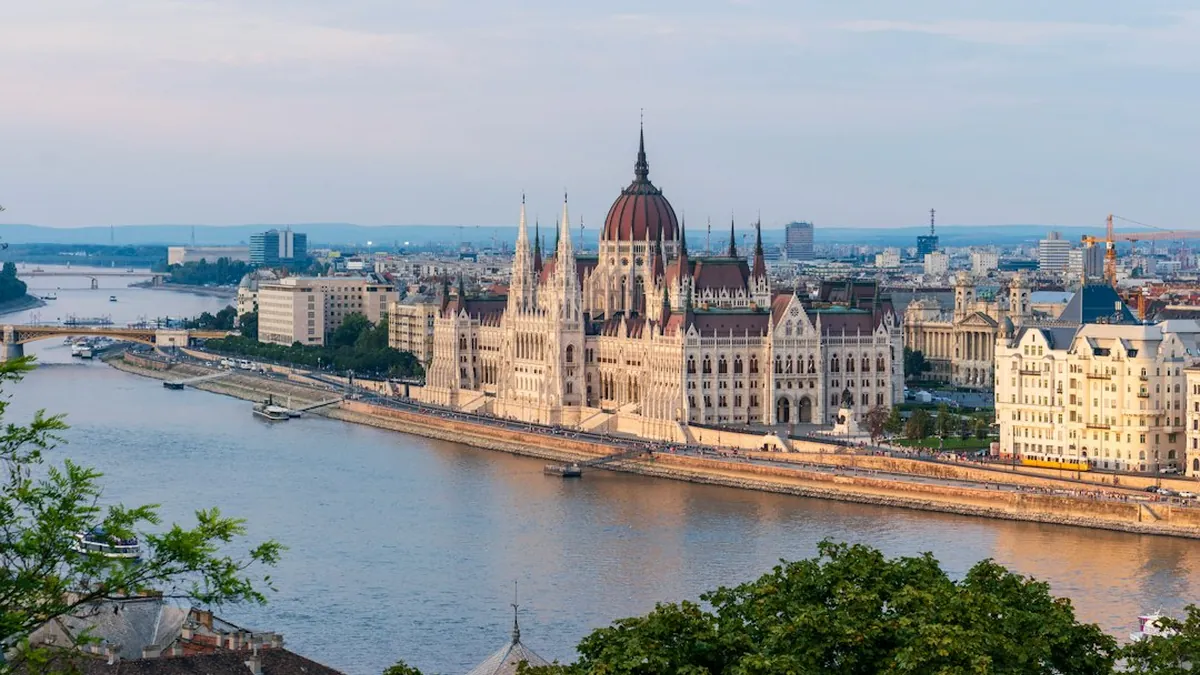
Budapest splits dramatically across the Danube, but its iconic Chain Bridge and Margaret Bridge make crossing between Buda’s castle hills and Pest’s café-dense boulevards a genuine pleasure on foot. The thermal bath district around Széchenyi adds a unique cultural layer that requires nothing more than comfortable shoes to reach.
- Key Reality: Entry to most thermal baths runs 18–25 dollars, with surrounding neighborhoods entirely free to explore.
3. Lisbon, Portugal: Hillside Quarters Linked by Historic Trams and Scenic Walking Routes
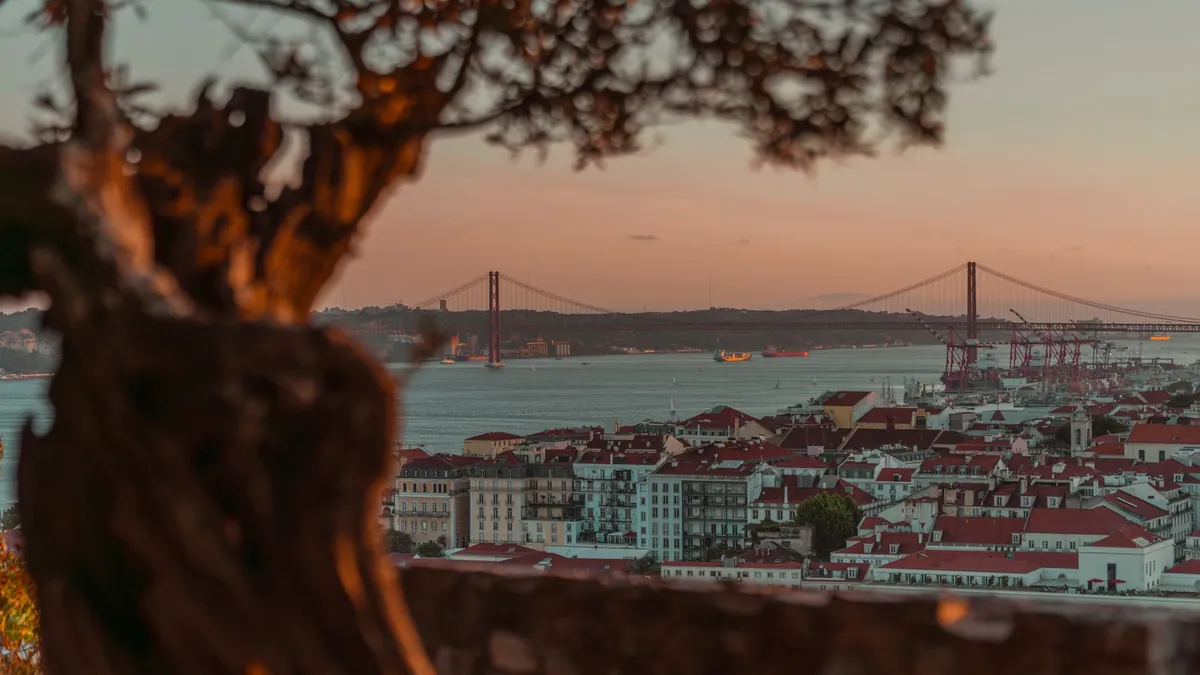
Lisbon’s steep Alfama and Mouraria districts demand sturdy shoes but reward walkers with sweeping miradouro viewpoints that no tour bus can access. The famous Tram 28 costs just 3 euros and connects most major hillside neighborhoods when legs need a break.
- Key Reality: Optimal walking weather sits between April and June, well within the 10–20°C comfort range recommended by walking wellness research.
4. Prague, Czech Republic: Car-Free Historic Center with Cobblestone Squares and Riverside Promenades
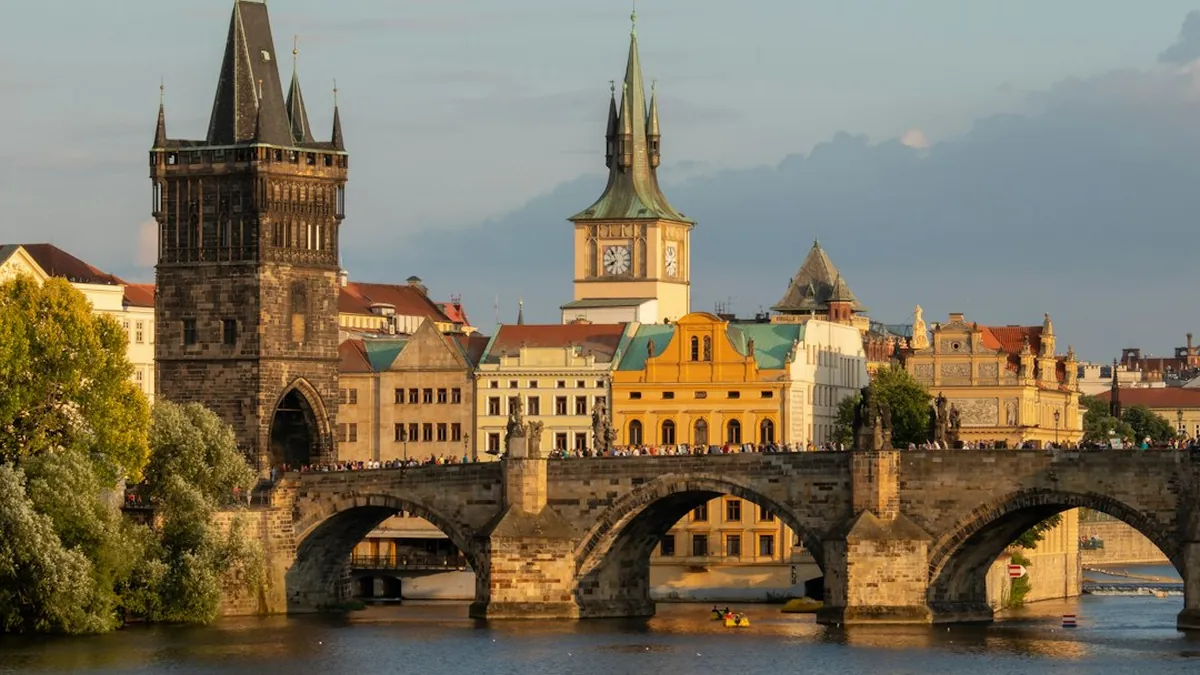
Prague’s historic center is one of Europe’s most aggressively pedestrianized urban cores, with Old Town Square and Charles Bridge forming a natural walking circuit that takes hours to fully absorb. The Vltava riverside promenade extends that circuit south into quieter, local-facing neighborhoods.
- Key Reality: A Czech pilsner at a riverside terrace costs roughly 1.50 dollars — one of Europe’s lowest pub prices.
5. Braga, Portugal: Compact Portuguese City with Baroque Churches and Pedestrian-Only Shopping Streets
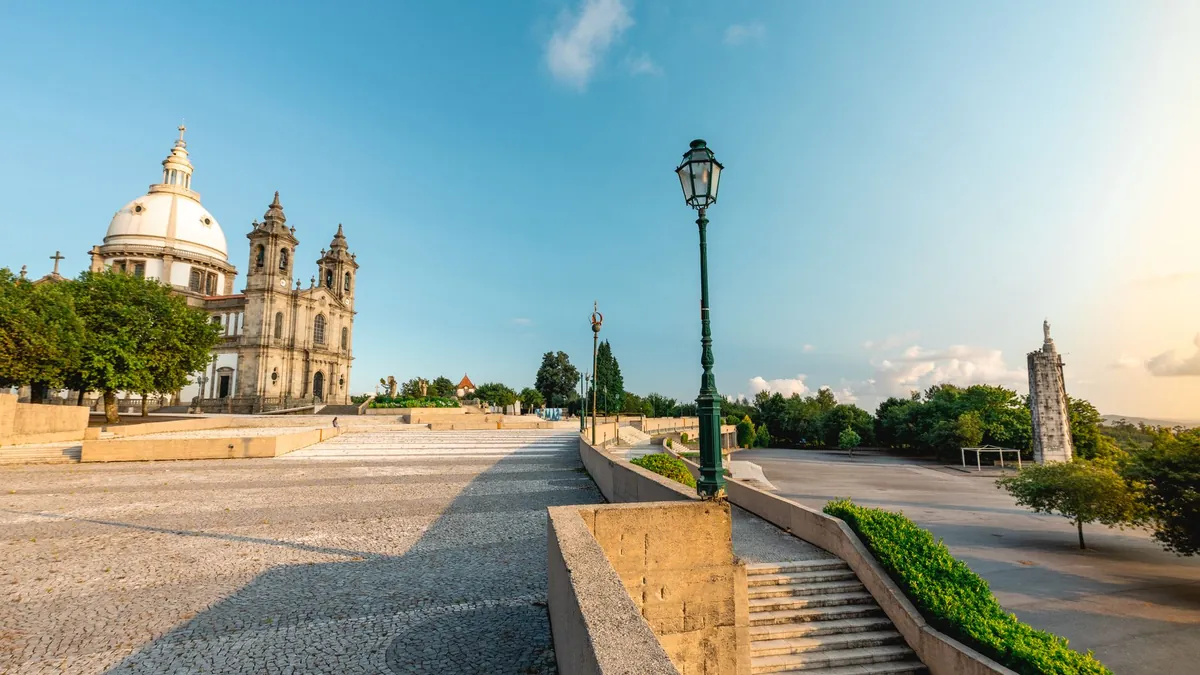
Braga is Portugal’s answer to the overcrowded-capital problem, delivering a dense concentration of Baroque architecture, Roman ruins, and lively pedestrian shopping streets in a city small enough to cross on foot in under 30 minutes. It consistently flies under the radar despite offering everything Lisbon does at roughly 40% lower daily costs.
- Key Reality: Braga ranks among the peaceful alternatives to overcrowded capitals for good reason — tourist density is dramatically lower.
6. Bucharest, Romania: Tree-Lined Boulevards and Neighborhood Districts Easily Explored on Foot
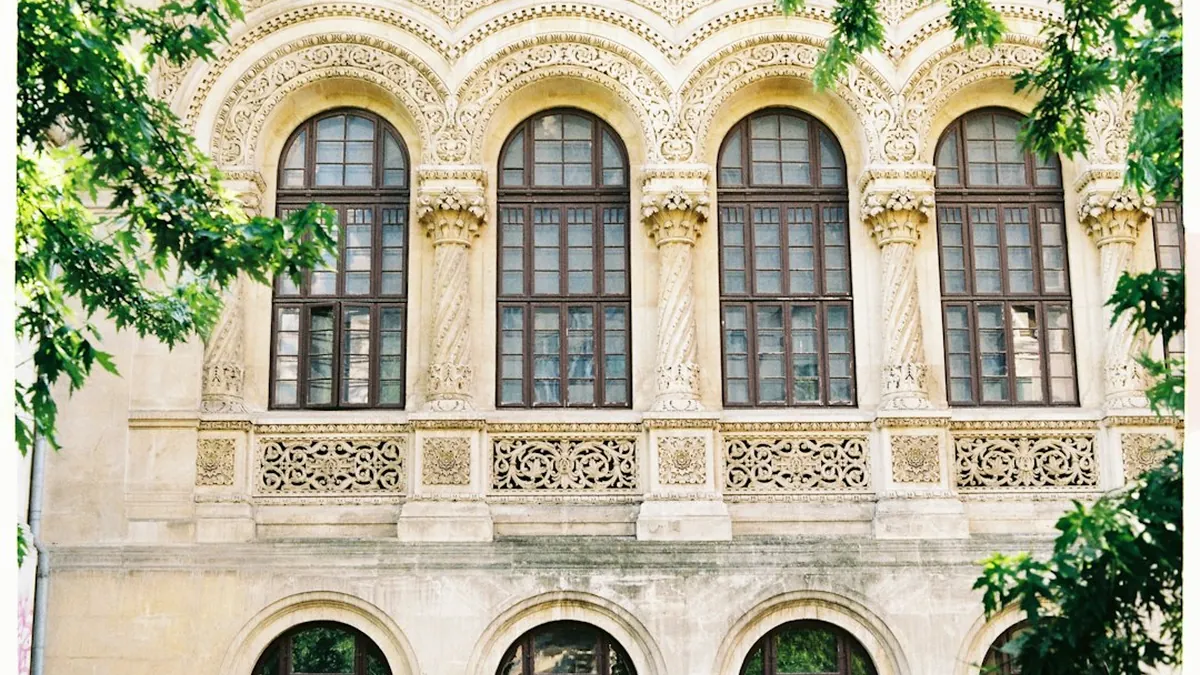
Bucharest’s wide Haussmanian boulevards and the bohemian Floreasca and Dorobanți districts create a layered walking city that surprises most first-time visitors expecting post-Soviet bleakness. The city’s food and coffee scene has exploded, with specialty cafés charging under 2 dollars per espresso.
- Key Reality: Bucharest’s daily budget for food and walking tours averages 25–40 dollars — among Europe’s lowest.
7. Kaunas, Lithuania: Walkable Baltic City with Art Nouveau Architecture and Riverside Paths
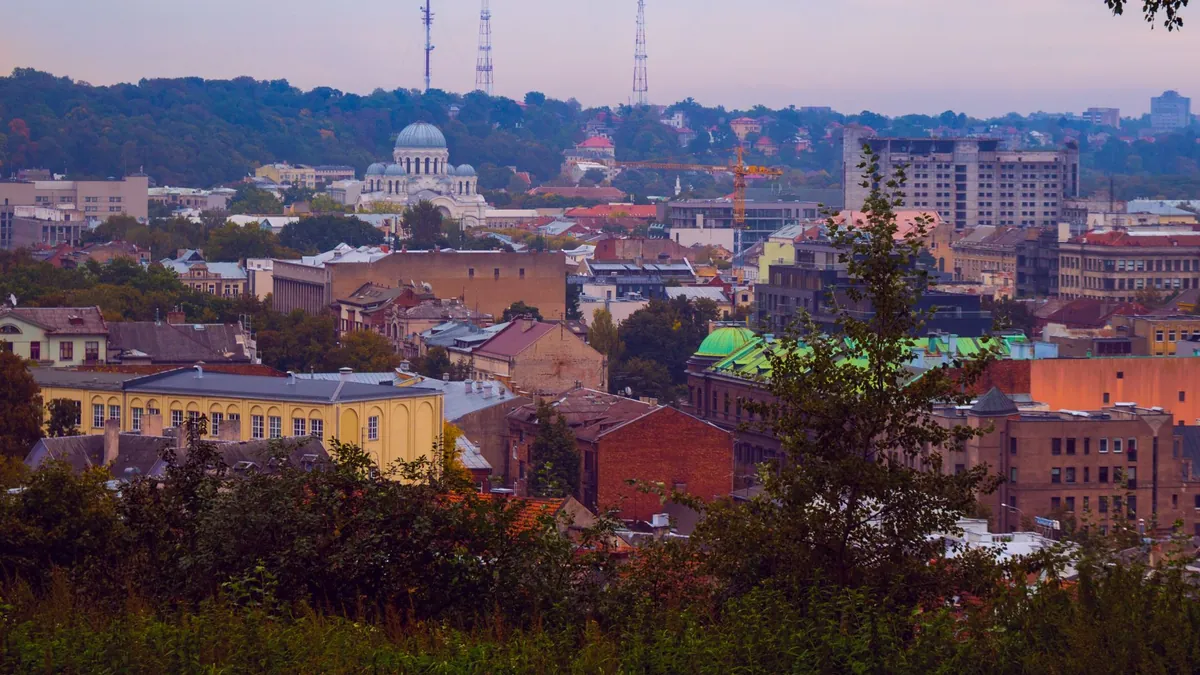
Kaunas holds one of Europe’s most underappreciated Art Nouveau architectural collections, concentrated along Laisvės Alėja — a 1.6-kilometer pedestrian boulevard that forms the city’s social and commercial spine. The confluence of the Nemunas and Neris rivers adds scenic riverside walking paths that extend the experience beyond the city center.
- Key Reality: Kaunas is one of the best underrated cities in Europe, with daily costs sitting around 30–45 dollars.
8. Lviv, Ukraine: European Gem with Intimate Medieval Squares and Cafe Culture Throughout
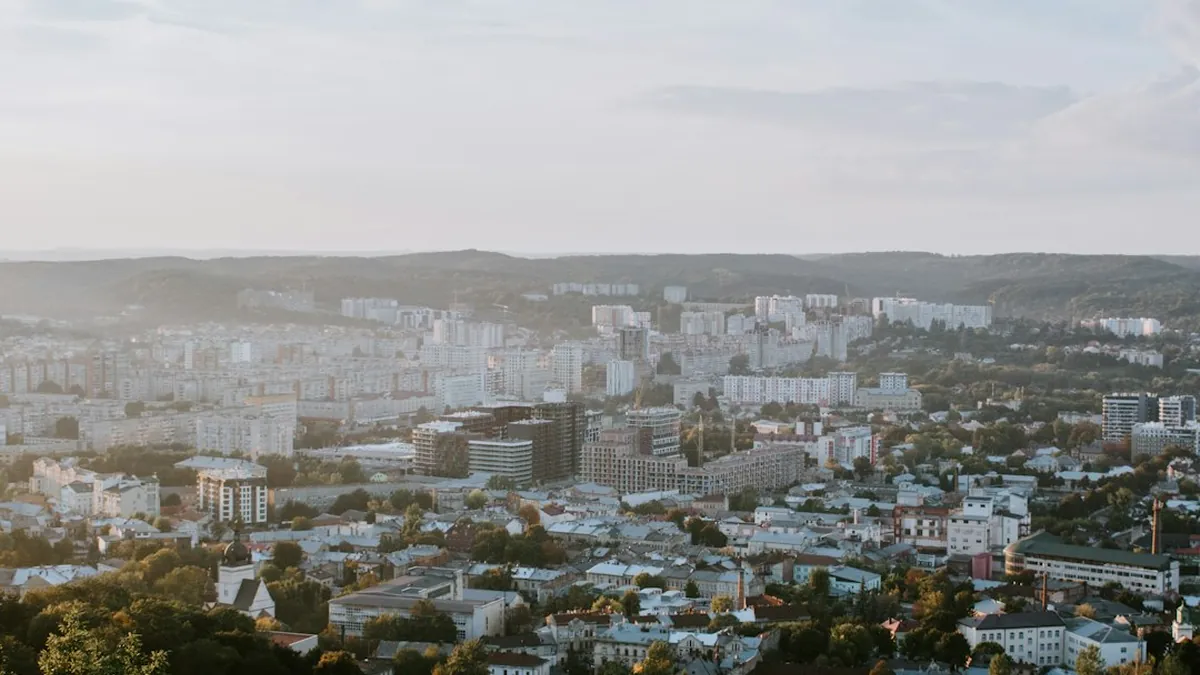
Lviv’s UNESCO Old Town is a remarkably intact Central European city center, dense with Armenian, Gothic, and Renaissance architecture layered across intimate market squares. Its café culture is legendary — the city claims over 80 independent coffee houses within walking distance of its historic core.
- Key Reality: A full sit-down meal with drinks costs under 8 dollars in most Lviv Old Town restaurants.
9. Sibiu, Romania: Transylvanian Town with Connected Historic Plazas and Mountain Gateway Access
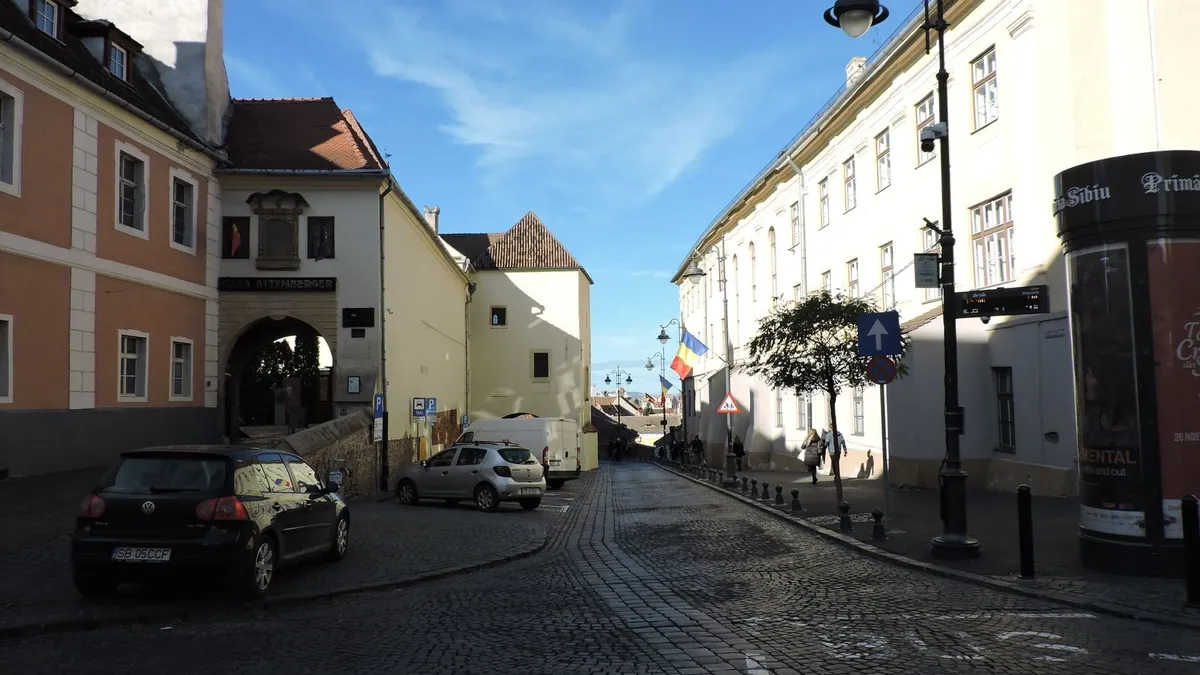
Sibiu’s 3 interconnected historic squares — Piața Mare, Piața Mică, and Piața Huet — form a walkable medieval circuit that feels like a film set but charges no admission. The Carpathian foothills visible from the city walls remind walkers that mountain trails begin less than an hour away.
- Key Reality: Sibiu’s accommodation averages 35–55 dollars per night, with the entire historic center navigable without public transport.
10. Brno, Czech Republic: Second-City Charm with Cycling Infrastructure and Pedestrian-Friendly Districts
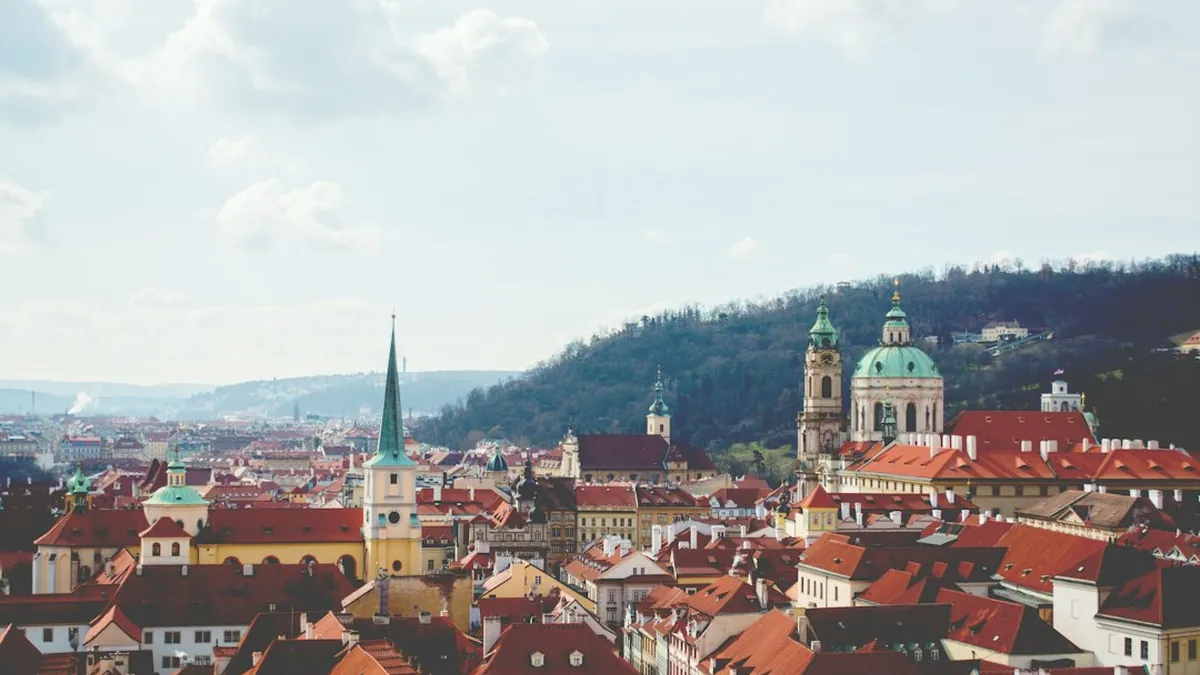
Brno punches well above its size, offering Prague’s architectural quality at roughly half the tourist volume and accommodation cost. Its Špilberk Castle hill, Náměstí Svobody square, and the Vila Tugendhat modernist landmark are all reachable on foot within a single afternoon.
- Key Reality: Brno sits among the cheap European cities cheaper than Berlin, with daily budgets averaging 28–42 dollars.
11. Tirana, Albania: Rapidly Developing Capital with Walkable Neighborhoods and Affordable Local Dining
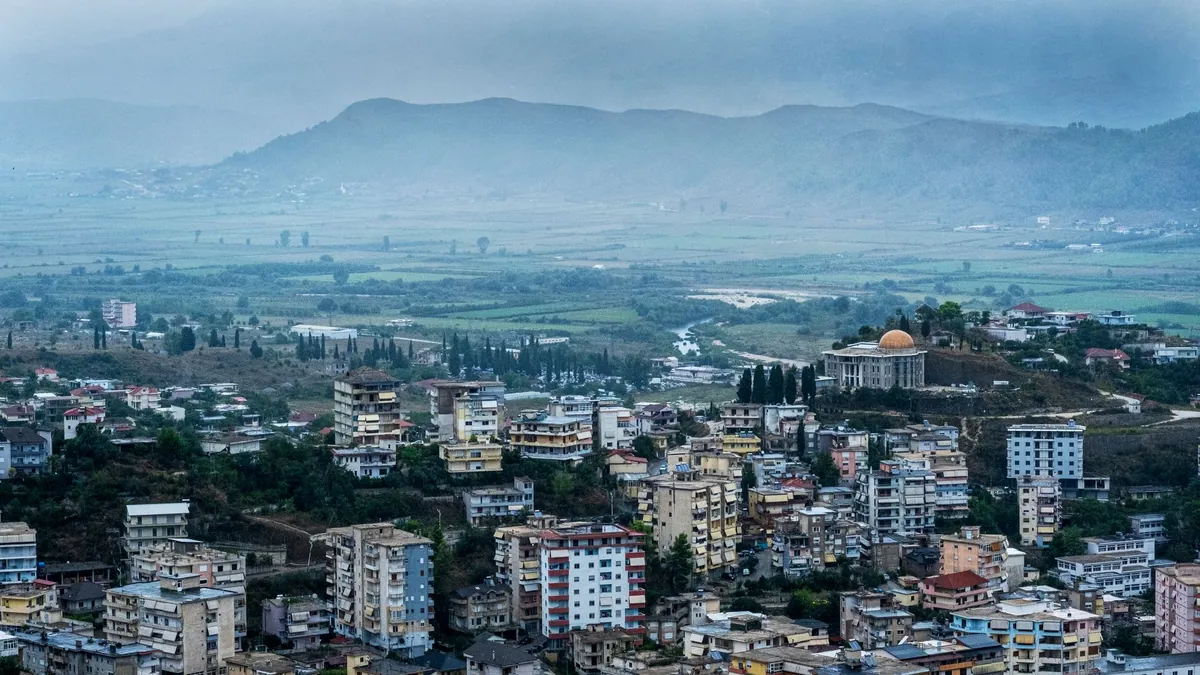
Tirana has undergone a remarkable urban transformation, with Skanderbeg Square and the Blloku district now forming a vibrant, walkable core full of murals, open-air bars, and pedestrian promenades. Solo travelers will note that