The Forbidden City’s Dragon Tiles and Secret Passages

As participants in Amazon Associates and other programs, we earn from qualifying purchases. This comes at no additional cost to you. For more details, see our Affiliate Disclosure.
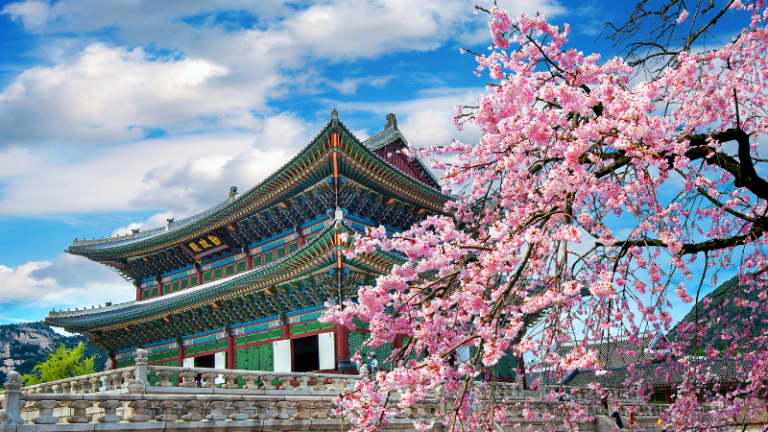
I’m absolutely obsessed with the Forbidden City in Beijing, China. This isn’t just a sprawling palace—it’s a maze of ancient secrets, quirky details, and imperial drama that makes it way more than a tourist draw. Built from 1406 to 1420 as the home of Ming and Qing emperors, this UNESCO World Heritage Site covers 180 acres with nearly 1,000 buildings, and its hidden gems keep me hooked.
The Forbidden City, or Gugong, was the heart of Chinese power for over 500 years, housing 24 emperors. Its name comes from its exclusivity—commoners were barred, and even nobles needed permission to enter. The palace’s design is a cosmic map. Its layout aligns with ancient Chinese beliefs, with the emperor’s throne at the center, symbolizing the universe’s core. The roofs are covered in yellow glazed tiles, reserved for royalty, with dragon motifs said to protect against fire. Some tiles have tiny dragon faces that seem to watch you as you walk by.
Here’s a wild quirk: the palace has secret passages and hidden rooms. Emperors used concealed tunnels to move unseen, dodging assassins or spying on officials. One secret door, disguised as a painted wall in the Palace of Heavenly Purity, led to private quarters. Courtiers whispered of emperors sneaking through to visit concubines or escape plots. Exploring the complex, you can’t help but wonder what’s behind every ornate screen.
Another cool fact? The Forbidden City’s 9,999 rooms—just shy of 10,000, a number reserved for the heavens—were a flex of imperial power. Each hall, from the grand Hall of Supreme Harmony to tiny concubine quarters, is packed with details like carved beams or jade ornaments. The palace stored treasures, too—think gold Buddhas, porcelain vases, and even a clock collection with 18th-century European timepieces that still tick in the museum today.
The palace wasn’t all glamour. It saw betrayals, fires, and rebellions. In 1924, the last emperor, Puyi, was evicted, ending centuries of rule. During World War II, treasures were hidden to save them from Japanese looters. Some roofs were damaged by stray bullets, still visible if you look closely. The city’s red walls, symbolizing power, hid a world of intrigue—eunuchs, concubines, and scheming officials lived in a cutthroat bubble.
Today, as the Palace Museum, it draws 19 million visitors yearly, though parts are closed for preservation. Wooden structures face termites and weather, but China’s restoring them with ancient techniques. If you visit, walk the Meridian Gate at sunrise when the courtyards glow, or hunt for dragon tiles that seem to follow you. The Forbidden City’s a cosmic fortress, a maze of secrets, and a stage for imperial drama that still feels alive.