Winter Storm Bellamy Triggers Widespread Thanksgiving Travel Disruptions

As participants in Amazon Associates and other programs, we earn from qualifying purchases. This comes at no additional cost to you. For more details, see our Affiliate Disclosure.
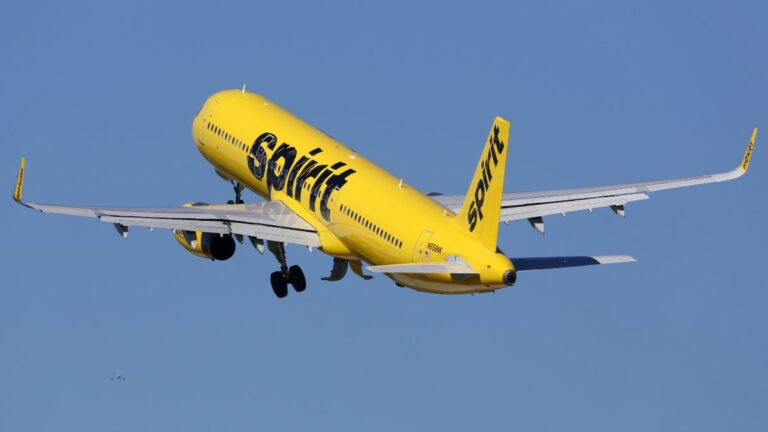
Winter Storm Bellamy sweeps across the Midwest and Northeast, grounding flights and snarling highways during peak post-Thanksgiving returns. Over 1,100 U.S. flights face cancellations or delays, with Chicago O’Hare and Minneapolis-St. Paul reporting the highest impacts. Travelers encounter hazardous driving conditions from heavy snow and ice, extending commute times by up to four hours on interstate corridors.
The National Weather Service issues winter storm warnings for 12 states, forecasting 6 to 12 inches of accumulation in Iowa, Illinois, and Wisconsin through November 30. Visibility drops below one mile in affected areas, prompting school closures and road treatments with salt and plows. Airports activate de-icing protocols, processing aircraft at reduced rates of 20 per hour compared to standard 40.
Major airlines issue waivers for fee-free rebookings on November 29 and 30 itineraries, applicable to tickets purchased by November 28. American Airlines covers Midwest hubs including Detroit and St. Louis, allowing changes to dates through December 7. United Airlines extends similar relief to 15 regional airports, from Omaha to Green Bay, with mandatory same-origin rebookings.
Transportation Security Administration projects over 3 million screenings on November 30, surpassing prior records despite disruptions. Passenger rights under U.S. Department of Transportation rules mandate refunds for cancellations without vouchers, and reimbursements for checked bags delayed beyond 12 hours domestically. Rental car firms at impacted airports offer extensions without surcharges for weather-related holds.
Highway Patrol reports 150 accidents linked to slick roads by midday November 30, concentrated on I-80 and I-94. Alternative routes via southern bypasses add 100 miles but avoid closures, per Google Maps real-time data. Amtrak suspends select Midwest lines, rerouting passengers to buses with capacity for 500 additional riders daily.
The storm’s path aligns with 2.8 million daily air passengers forecast by Airlines for America, amplifying bottlenecks at single-runway facilities like Milwaukee’s General Mitchell. Federal Aviation Administration coordinates with towers to prioritize emergency landings, clearing 80 percent of backlogs by evening. Ground delays average 90 minutes, per FlightAware tracking.
Travel insurance claims for interruptions rise 25 percent year-over-year during such events, covering non-refundable portions up to policy limits. Providers like Allianz process digital submissions within 48 hours for verified weather impacts. Families with connecting flights should confirm e-gate availability, as manual checks extend processing by 20 minutes.
This system, named for its rapid intensification, follows a pattern of late-November fronts contributing to 15 percent of annual holiday delays. Comparable storms in 2024 affected 900 flights, but 2025’s higher volumes strain resources further. Officials recommend monitoring FAA apps for personalized alerts, with recovery projected by December 1 morning.
Intercity bus operators like Greyhound add 20 extra runs from Chicago to Detroit, accommodating 1,000 displaced flyers. Rail enhancements include priority boarding for accessibility needs, aligning with ADA mandates. The event underscores seasonal vulnerabilities, as 70 percent of disruptions stem from precipitation per NOAA climatology.
For international connections, customs pre-clearance at U.S. hubs eases onward travel once domestic legs resume. Global carriers like Lufthansa adjust transatlantic schedules, delaying departures from Frankfurt by two hours. Affected passengers can access airline lounges for extended stays, with complimentary meals under EU 261 equivalents for qualifying delays over three hours.