Where Can You See the Northern Lights Without Freezing?

As participants in Amazon Associates and other programs, we earn from qualifying purchases. This comes at no additional cost to you. For more details, see our Affiliate Disclosure.
The northern lights, or aurora borealis, are one of nature’s most breathtaking displays, painting the night sky with vibrant greens, purples, and pinks. For many, witnessing this phenomenon is a bucket-list dream, but the idea of standing in subzero temperatures can be a dealbreaker. The good news is you don’t have to freeze to catch this celestial show. Certain destinations offer milder climates or cozy viewing options, letting you enjoy the spectacle without battling extreme cold.
Picture yourself sipping hot cocoa in a warm lodge or gazing through a glass igloo, the aurora dancing overhead. Some places combine natural beauty with comfortable setups, making the experience unforgettable without the chill. From unique accommodations to strategic timing, there are ways to see the northern lights while staying snug.
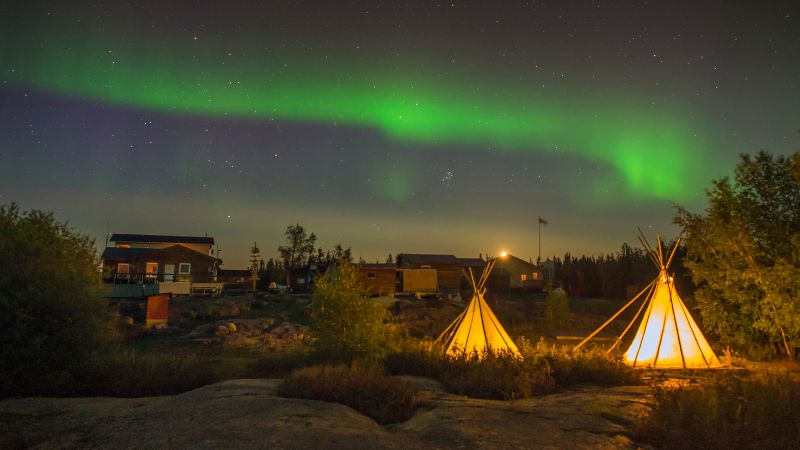
One standout spot is Yellowknife in Canada’s Northwest Territories. This area boasts a second aurora season in late summer and early fall, when temperatures are much milder than the harsh winter months. You can stay at places like Blachford Lake Lodge, where large windows let you watch the lights from the warmth of the main house or even a hot tub. The lodge’s remote location cuts down on light pollution, giving you clear views of the sky. Summer visits mean you avoid the bone-chilling cold of winter, with temperatures often staying above freezing.
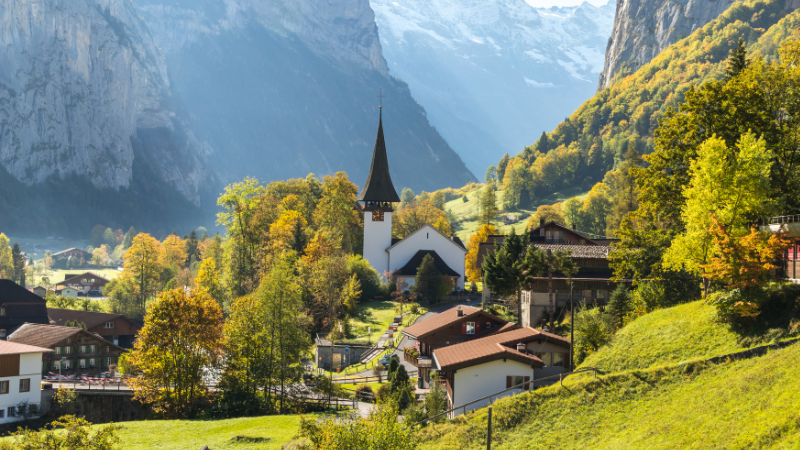
Iceland is another fantastic choice. Its capital, Reykjavik, sits in a region warmed by the Gulf Stream, keeping winter temperatures around freezing rather than plunging into the negatives. You can venture to spots like Thingvellir National Park or the Skógafoss waterfall, where the aurora often appears against dramatic landscapes. Hotels like Hotel Rangá in Hella offer rooftop observatories and wake-up alerts when the lights show up, so you can stay cozy until the moment arrives. The best time to visit is from September to March, with milder conditions in early fall or late spring.
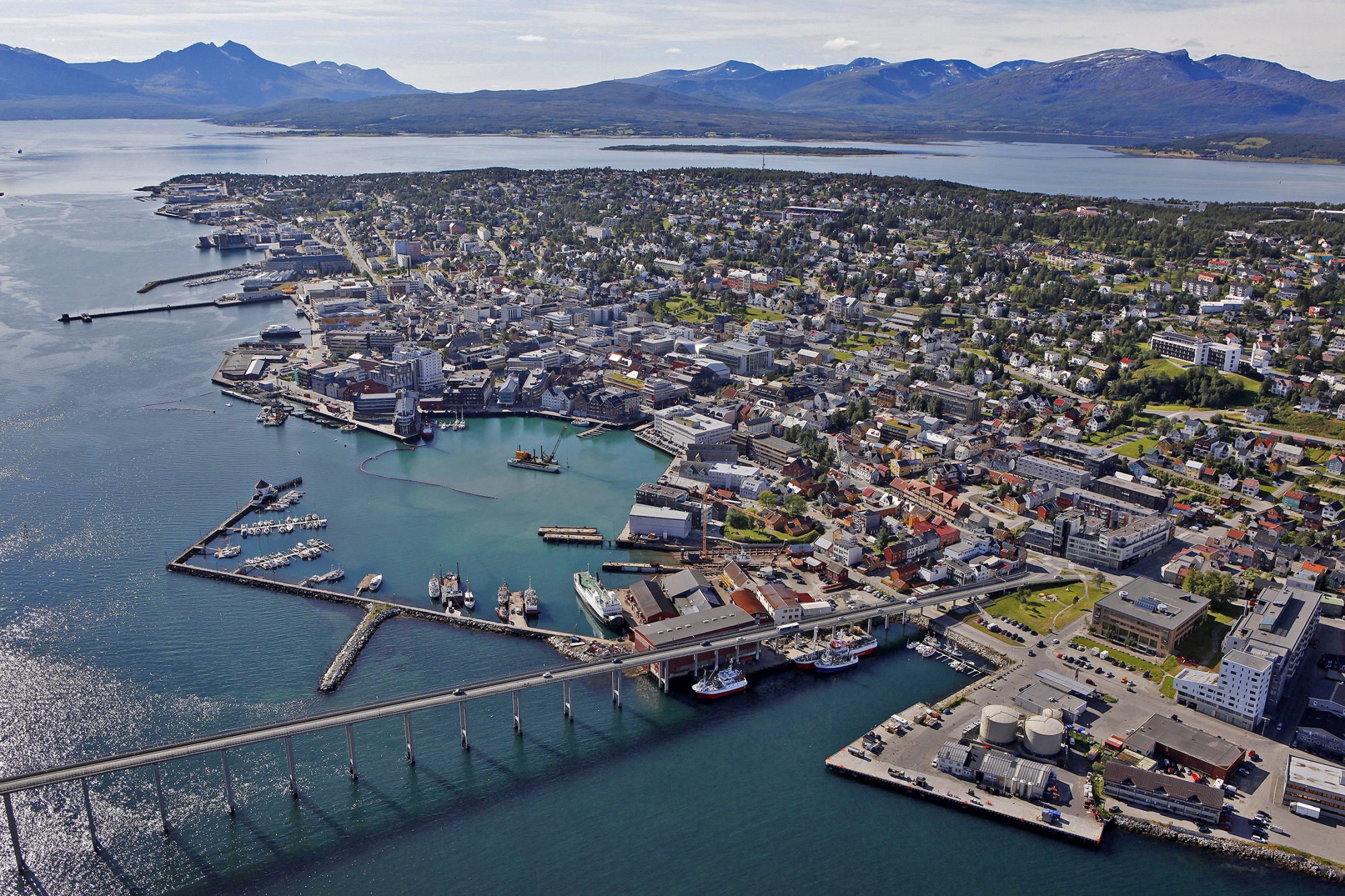
Norway’s northern cities, like Tromsø, also provide a less frigid option. Thanks to the same Gulf Stream, Tromsø enjoys relatively mild winters, with temperatures rarely dropping below 20°F. You can take a cable car up Mount Storsteinen for a stunning view of the lights without trekking into the wilderness. Guided tours, like those offered by local operators, often include warm drinks and heated shelters, ensuring you stay comfortable while chasing the aurora. The season runs from late September to mid-April, with autumn being the warmest window.
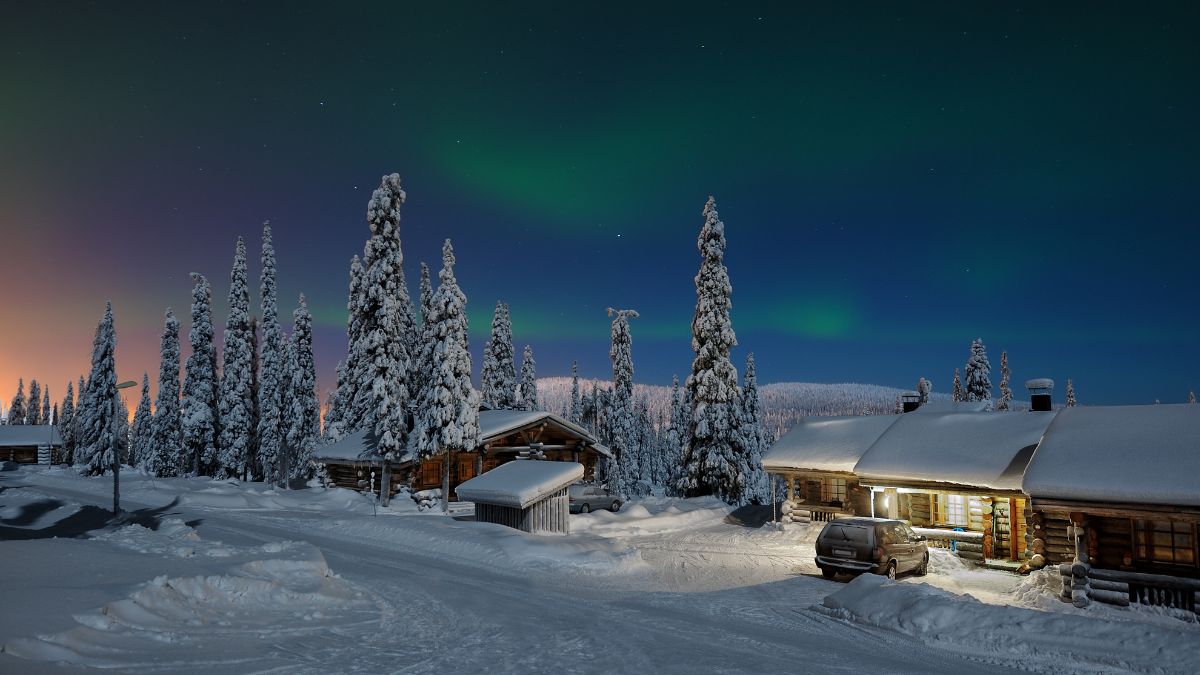
For a truly luxurious experience, head to Finnish Lapland and check into the Kakslauttanen Arctic Resort. Their thermal glass igloos keep you toasty while offering unobstructed views of the night sky. You can lie in bed, wrapped in blankets, as the northern lights swirl above. The resort also offers activities like husky safaris, adding adventure to your trip without sacrificing warmth. The aurora is visible here from late August to April, with September and October being less chilly.
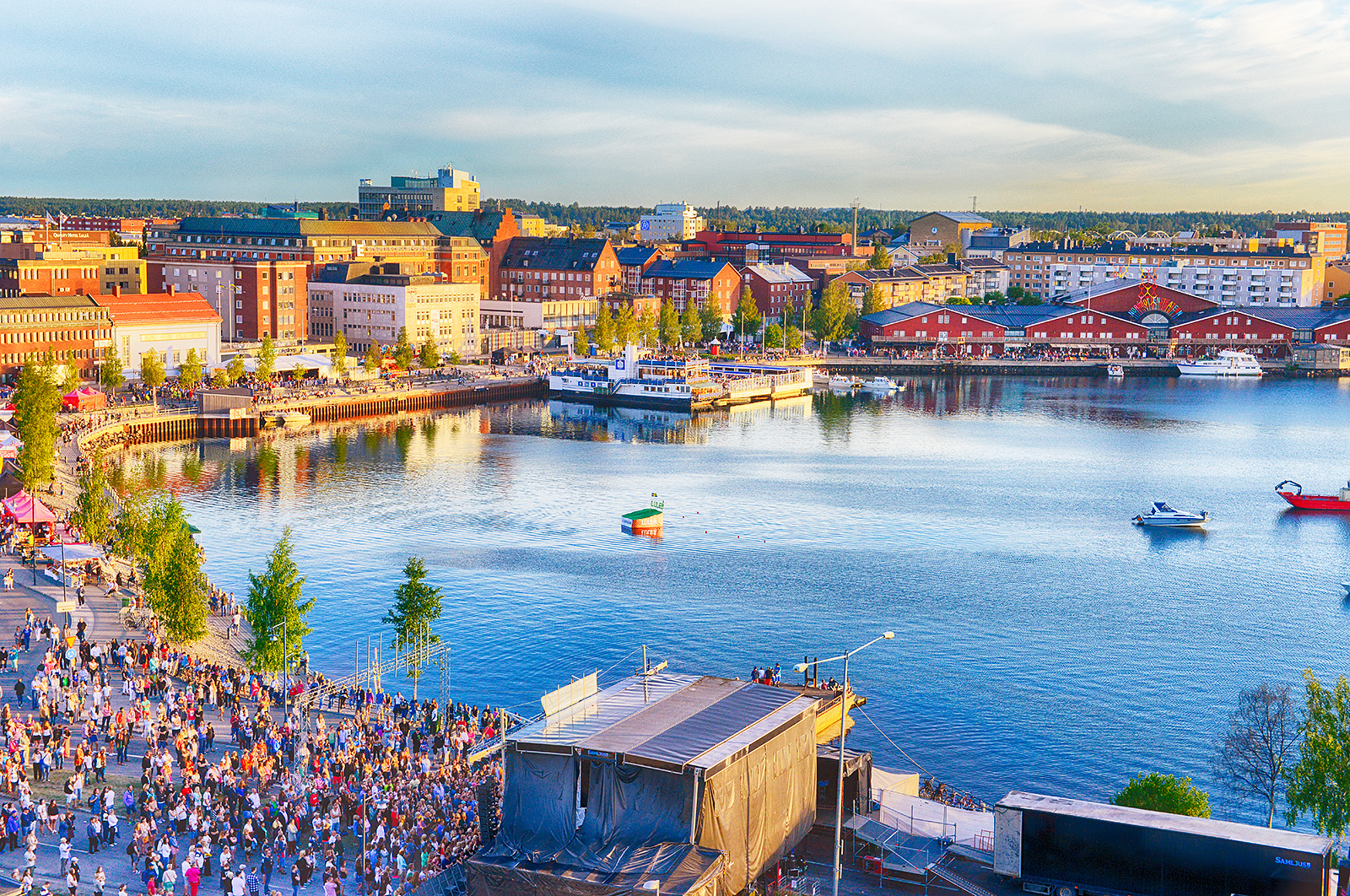
Another gem is Sweden’s Luleå archipelago. This area benefits from minimal light pollution and stable weather, making it a prime aurora spot. Direct flights from the UK make it accessible, and you can pair your viewing with activities like ice fishing or staying in heated cabins. The season spans October to March, but early fall offers milder temperatures.
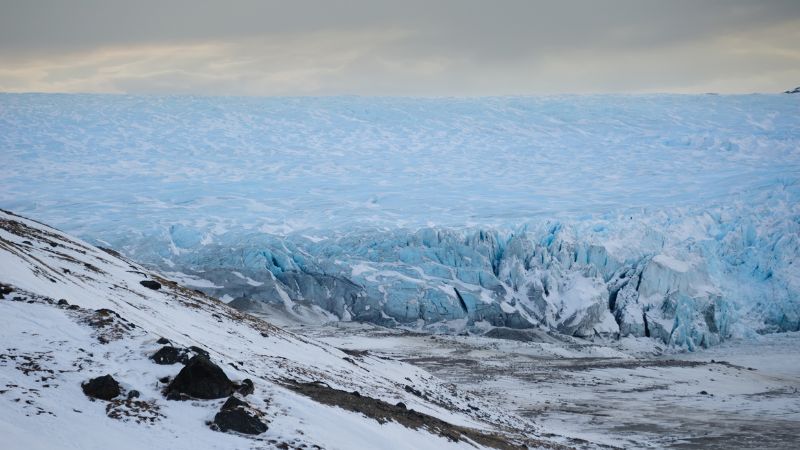
Greenland’s Kangerlussuaq is a lesser-known but excellent choice. With 300 clear nights a year, it’s a hotspot for aurora sightings. The town’s location between mountains creates a microclimate that’s less harsh than other Arctic regions. You can stay at places like Hotel Arctic in nearby Ilulissat, where heated rooms overlook the stunning Ilulissat Fjord. October to March is peak season, with early fall being the most comfortable time.
To maximize your chances, plan your trip for clear, dark nights and aim for at least three nights in one location. Check aurora forecasts on sites like SpaceWeatherLive for real-time updates. Wherever you go, pack layers and choose accommodations with indoor viewing options to keep the cold at bay. The northern lights are a magical sight, and with these destinations, you can enjoy them without turning into an icicle.