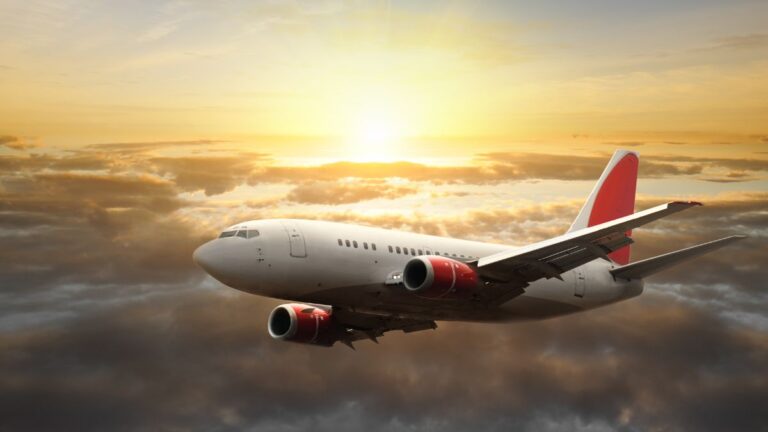
United Airlines Expands Premium Cabins Amid Rising Fuel Costs

As participants in Amazon Associates and other programs, we earn from qualifying purchases. This comes at no additional cost to you. For more details, see our Affiliate Disclosure.
United Airlines has announced a major fleet and cabin modernization program focused on premium seating as jet fuel prices climb due to the ongoing conflict in the Middle East. The carrier expects to take delivery of more than 250 new aircraft by April 2028, including Airbus A321neo Coastliner and A321XLR models equipped with expanded lie-flat Polaris business-class and Premium Plus sections.
The A321neo Coastliner will operate exclusively on high-demand routes between Los Angeles and San Francisco as well as Newark or New York, featuring 20 Polaris seats and 12 Premium Plus seats. The longer-range A321XLR will begin replacing Boeing 757s on select international services this summer, increasing premium capacity to 32 seats per aircraft from the previous 16 business-class seats. These changes form part of United’s long-term strategy to prioritize higher-yield premium travelers who demonstrate greater resilience to fare adjustments.
Chief Executive Scott Kirby stated the airline remains committed to long-term investments despite external pressures. Chief Commercial Officer Andrew Nocella noted that strong underlying demand and a robust U.S. economy have allowed the carrier to implement necessary price increases to offset fuel cost rises. Oil prices could stay above 100 dollars per barrel through 2027 and potentially reach 175 dollars, adding roughly 11 billion dollars annually to United’s fuel expenses.
The announcement coincides with plans to reduce overall capacity growth by about five percentage points this year. United continues to position itself for sustained growth by focusing on premium product enhancements rather than broad fare reductions. Industry analysts observe that premium cabins often maintain occupancy even when economy demand softens under cost pressures.
Travelers booking United flights in coming months may encounter these upgraded aircraft on transcontinental and select international routes starting this summer. The carrier has not altered its core network but emphasizes improved onboard experience for business and leisure passengers willing to pay for enhanced seating and service.
This development occurs against a backdrop of broader industry challenges from elevated energy costs. Several other airlines have signaled similar adjustments to schedules and pricing. Passengers are advised to check specific flight equipment and fare rules when planning travel, as premium inventory may book faster on upgraded aircraft.
United’s move underscores a continued industry shift toward premium-heavy configurations on narrow-body jets suitable for both domestic and shorter international sectors. The A321XLR’s capabilities will enable new route opportunities in Europe and South America once deliveries accelerate. No immediate changes affect existing reservations, but future timetables will reflect the fleet evolution.
Travelers facing potential fare volatility should monitor booking policies and consider flexible options where available. United maintains its operational commitments while adapting to the current fuel environment through targeted product investments.