U.S. Embassy Issues Winter Travel Guidance for Mexico Amid Level 2 Advisory
As participants in Amazon Associates and other programs, we earn from qualifying purchases. This comes at no additional cost to you. For more details, see our Affiliate Disclosure.
The U.S. Embassy in Mexico has released targeted guidance for American visitors planning winter trips, stressing adherence to the State Department’s Level 2 travel advisory that covers 17 states. This advisory calls for increased caution due to risks of violent crime, kidnapping, and potential terrorist acts in popular destinations. Travelers face uneven emergency response capabilities, with U.S. officials restricted from high-risk zones.
Level 3 advisories apply to seven states including Baja California, Chiapas, Chihuahua, Guanajuato, Jalisco, Morelos, and Sonora, recommending reconsideration of travel plans. Level 4 designations bar U.S. government personnel from six states: Colima, Guerrero, Michoacan, Sinaloa, Tamaulipas, and Zacatecas. Cartel activities and trafficking disputes fuel these ratings, with crimes like homicide and carjacking reported even in tourist hubs.
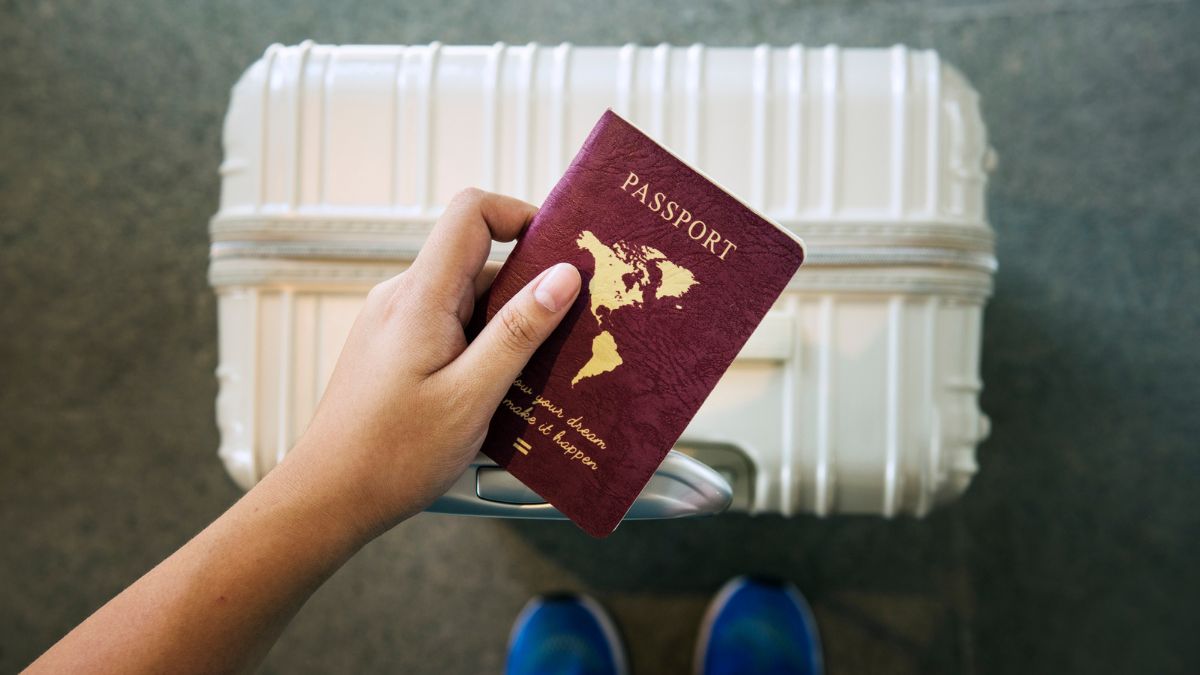
Entry requires a Forma Migratoria Múltiple, costing $47 until December 31, rising to $54 in January 2026. Passports must remain valid throughout stays to evade fines or detention; minors flying domestically need passport books. Cash exceeding $10,000 or goods over $300 by land must be declared, while weapons and drugs carry severe penalties including imprisonment.
Embassy officials urge enrollment in the Smart Traveler Enrollment Program for alerts and assistance. Road checkpoints demand compliance to prevent confrontations; 911 handles emergencies, though Spanish proficiency aids response. Travel insurance with medical evacuation coverage is essential, given limited consular reach in remote areas.
Popular winter spots like Los Cabos, Mazatlán, Puerto Peñasco, and San Carlos draw thousands of Americans annually. Nighttime outings in these areas warrant extra vigilance against robbery. The advisory notes criminal incidents can strike anywhere, with over 1,000 U.S. citizen detentions yearly for minor violations like expired documents.
Mexican authorities operate tourist aid lines at 078 for non-emergencies and roadside support. Visitors should share itineraries and passport copies with contacts, avoiding unsolicited packages that could link to cartels. Firearms require permits, absent which lead to up to 15-year sentences.
This guidance coincides with peak season, where 40 million Americans visited Mexico in 2024, injecting $30 billion into the economy. State Department data logs 150 kidnappings of U.S. citizens since 2014, mostly resolved via family payments. Embassy staffing in high-traffic consulates like Cancun handles 500 inquiries weekly during holidays.
Compliance with local laws mitigates risks; for instance, photographing military sites invites arrest. Dual nationals must enter on Mexican passports to avoid dual taxation issues. The advisory refresh addresses rising fentanyl-related violence, with 70,000 U.S. overdose deaths tied to Mexican-sourced drugs in 2024.
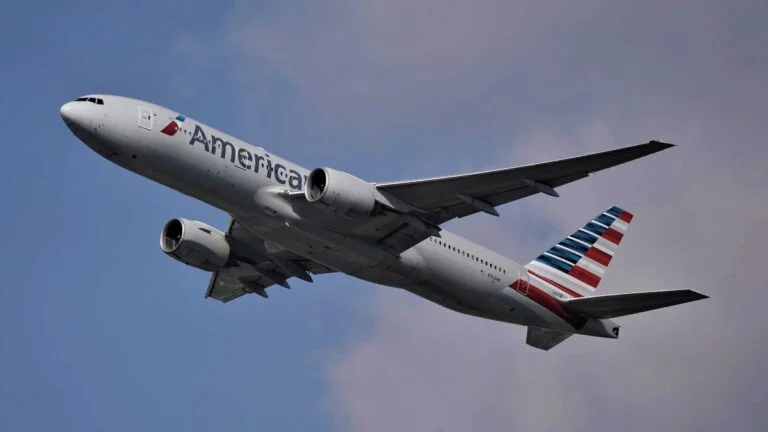
Airlines like American and Delta reinforce pre-flight briefings on these protocols. Hotel chains in Riviera Maya report 5% booking inquiries about safety since the update. This framework balances tourism’s 8.7% GDP contribution in Mexico with protective measures for 2.5 million monthly U.S. arrivals.
As flights resume post-Thanksgiving, the embassy monitors border crossings, where 300,000 vehicles pass daily. Enhanced cooperation with Mexican federales has curbed 20% of reported assaults in tourist zones. Travelers who heed these steps sustain access to Mexico’s 120 million annual visitors, predominantly from the U.S.