The Acropolis’ Marble Marvels and Hidden Battle Scars
As participants in Amazon Associates and other programs, we earn from qualifying purchases. This comes at no additional cost to you. For more details, see our Affiliate Disclosure.
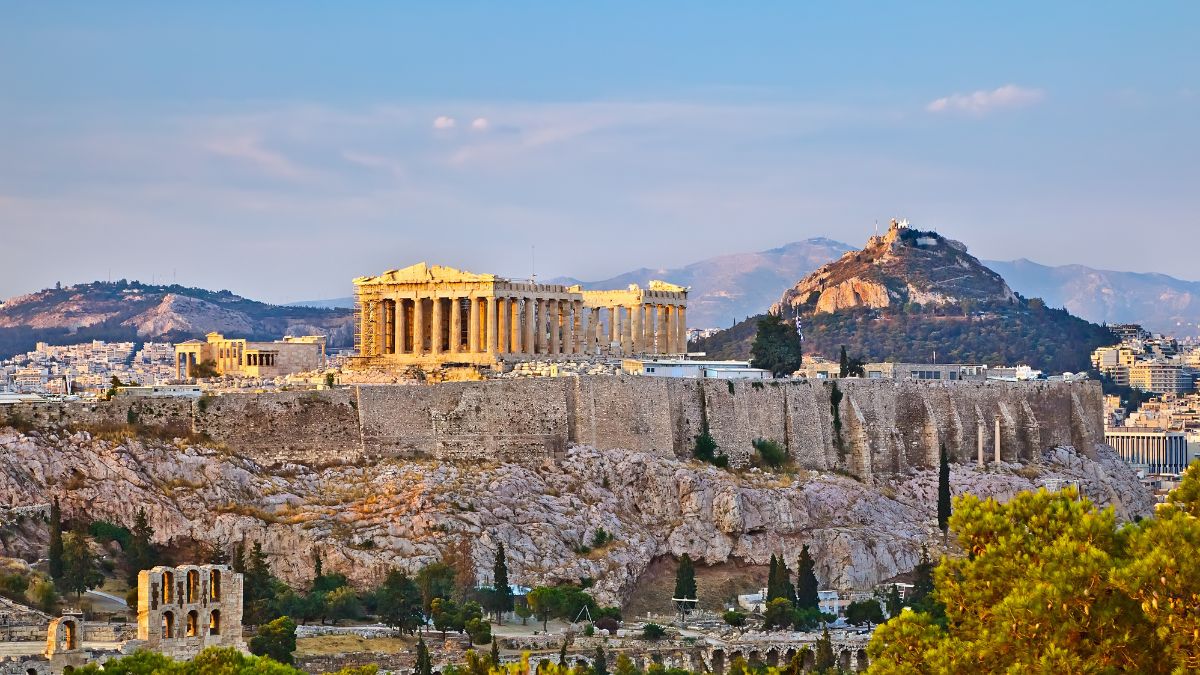
I’m totally hooked on the Acropolis in Athens, Greece. This ancient hilltop fortress isn’t just a stunning collection of ruins—it’s a treasure trove of clever engineering, quirky details, and epic history that makes it way more than a tourist climb. Built mostly in the 5th century BC during Athens’ golden age, this UNESCO World Heritage Site is crowned by the Parthenon, and its wild stories keep me obsessed.
The Acropolis was Athens’ heart, a sacred spot for the goddess Athena. The Parthenon, its star temple, looks perfect, but here’s the wild part: it’s built with optical tricks. The columns curve slightly outward, and the floor tilts up at the center to look flat from afar. Without these tweaks, it’d seem warped. The Greeks carved 17,000 marble blocks, hauled from a mountain 10 miles away, with such precision that they fit without mortar. Standing there, you feel their genius, like they were playing with your eyes.
Here’s a quirky gem: the Acropolis has ancient graffiti. Workers and visitors scratched names and drawings into stones, some from 2,500 years ago. One carving might even be a doodle of a ship. It’s like a peek into everyday life—people back then weren’t so different, leaving their mark like we do on social media. The Parthenon also hid a giant gold-and-ivory Athena statue, 40 feet tall, which vanished centuries ago, likely looted. Imagine it gleaming inside, reflecting torchlight.
Another cool fact? The Acropolis is a battle survivor. In 1687, Venetians shelled it while it was a Turkish gunpowder store, and a massive explosion wrecked the Parthenon’s roof. You can still see blast scars on some columns. It’s been through Persian invasions, Roman takeovers, and even British looting—Lord Elgin nabbed half the sculptures in the 1800s, now a sore point between Greece and the UK.
The Erechtheion, another temple on the hill, has a porch with caryatid statues—six stone women holding up the roof. They’re copies now (the originals are in a museum), but their serene faces and flowing robes steal the show. Legend says the spot marks where Athena and Poseidon fought for Athens’ loyalty, with olive trees and trident marks tied to the myth.
The Acropolis wasn’t just temples—it had homes, theaters, and altars. Earthquakes and time chipped away, but restoration keeps it standing. Today, 7 million visitors yearly trek its steep paths, though pollution and footsteps wear it down. If you go, catch the Parthenon at dawn when the marble glows pink, or spot graffiti in quiet corners. The Acropolis is a tricky, battle-scarred marvel—a slice of ancient Athens that still feels alive.