Southwest Airlines Ends Open Seating Policy
As participants in Amazon Associates and other programs, we earn from qualifying purchases. This comes at no additional cost to you. For more details, see our Affiliate Disclosure.
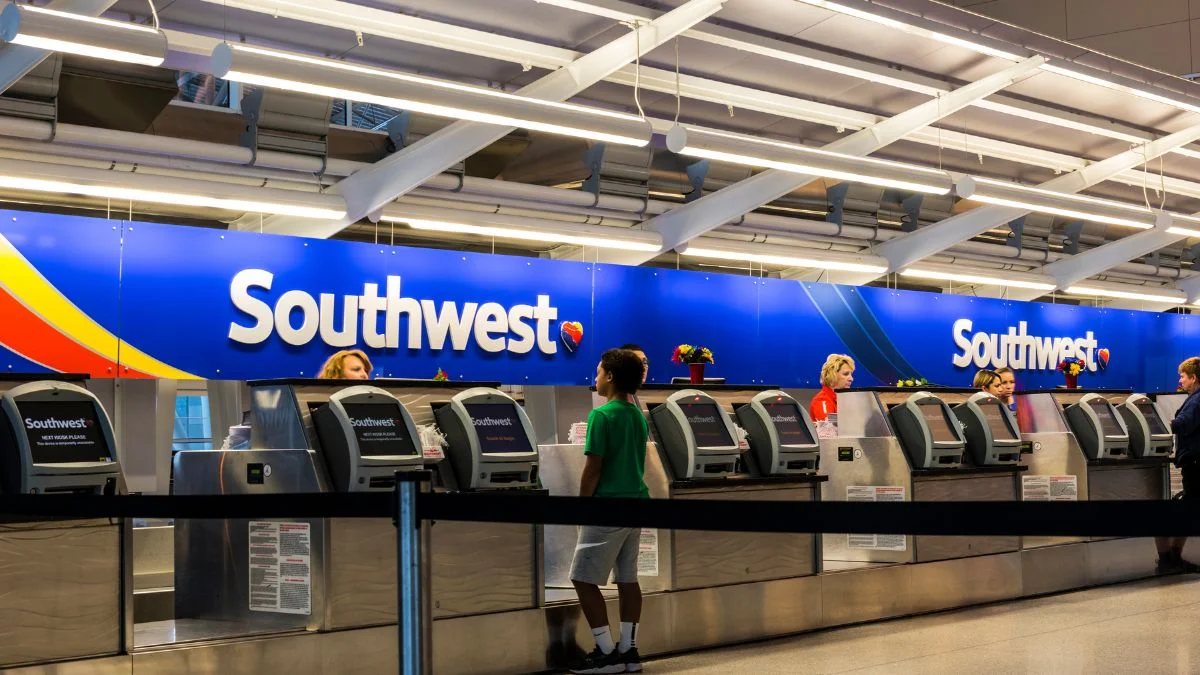
Southwest Airlines has replaced its decades-long open seating model with a system of assigned seats for all passengers. The carrier now offers premium extra-legroom seats and preferred standard economy seats available for additional fees. This shift eliminates the previous first-come, first-served approach that required early check-ins to secure desirable positions.
The assigned seating policy took effect across Southwest flights starting January 27, 2026. Passengers receive specific seat assignments during booking or check-in, similar to most major U.S. carriers. Extra-legroom seats command a premium price, while preferred standard seats position travelers closer to the front of the aircraft for quicker deplaning.
Boarding now follows the WILMA sequence, filling window seats first, then middle, and aisle last, proceeding from the back of the plane forward. This method reduces aisle congestion by allowing window passengers to stow luggage without blocking others. Comparable processes at airlines like United have shaved minutes off turnaround times.
Southwest introduced these changes primarily in response to customer preferences for greater seating control and predictability. Surveys revealed strong demand for assigned seats and options to purchase enhanced comfort. The airline aims to remove uncertainty associated with open seating, where boarding position determined seat choice.
Premium seating tiers represent a new revenue source for the carrier. Southwest projects the overall overhaul, including priority boarding and extra-legroom sales, will generate an additional 1.5 billion dollars annually by the following year. Chief Executive Officer Robert Jordan described the adjustments as a strategic move to capture untapped financial opportunities.
The transition ends a quirky tradition that distinguished Southwest from competitors for over fifty years. Frequent flyers previously relied on check-in timing and boarding groups to claim spots together or near the front. The airline no longer offers paid upgrades to earlier boarding groups under the new system.
A separate policy update requires passengers of size who cannot lower both armrests to purchase an extra seat. This replaces a prior approach that provided refunds for additional seats bought proactively. The stricter rule applies alongside the seating changes.
Southwest continues charging 35 dollars per checked bag, a fee structure implemented in recent years. The combined modifications align the low-cost carrier more closely with industry standards on seating and ancillary fees. Travelers booking flights now select seats through the airline’s app or website during reservation.