Santorini’s Sunken Caldera and Hidden Ancient City
As participants in Amazon Associates and other programs, we earn from qualifying purchases. This comes at no additional cost to you. For more details, see our Affiliate Disclosure.
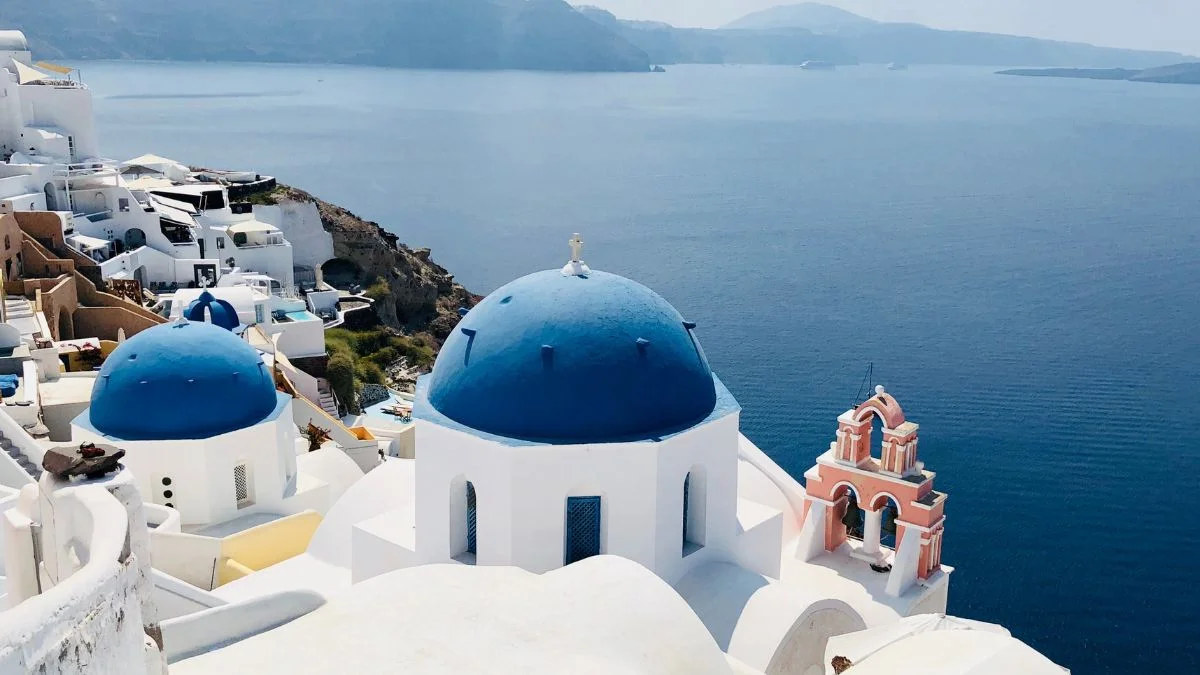
I’m totally obsessed with Santorini, the dazzling Greek island in the Aegean Sea. This isn’t just a postcard-perfect paradise with whitewashed villages—it’s a volcanic wonder packed with quirky secrets and ancient mysteries that make it way more than a sunset spot. Formed by a massive eruption around 1600 BC, this UNESCO-nominated island is a crescent-shaped caldera, and its wild details keep me hooked.
Santorini’s heart is its caldera, a submerged crater from a volcanic blast that sank the island’s center, creating a lagoon 1,300 feet deep. Here’s the wild part: the eruption might’ve inspired the Atlantis myth. Ancient texts describe a lost island swallowed by the sea, and Santorini’s cataclysmic past fits the bill—ash buried towns, tsunamis hit Crete, and the island reshaped overnight. Sailing the caldera, with cliffs towering above, feels like floating in a volcano’s heart.
Here’s a quirky gem: the island has a hidden ancient city, Akrotiri, buried by that same eruption. Excavated since the 1960s, it’s like Pompeii’s older cousin—streets, houses, and frescoes preserved under ash. No bodies were found, suggesting residents fled, but they left intact pottery, beds, and even toilets with plumbing. One fresco shows blue monkeys climbing rocks, a playful glimpse of life 3,600 years ago. Visiting Akrotiri feels like stepping into a Bronze Age time capsule.
Another cool fact? Santorini’s beaches are rainbow-colored. Volcanic ash and lava created red, black, and white shores—Red Beach glows like rust, while Black Beach sparkles with obsidian pebbles. The island’s still active, too. Hot springs near the caldera’s Nea Kameni islet bubble with warm, mineral-rich water, where swimmers soak in natural jacuzzis. The volcano last erupted in 1950, and minor tremors remind you it’s not asleep.
The island’s history is intense. The Minoan eruption reshaped the Mediterranean, possibly weakening Crete’s civilization. Later, Venetians and Ottomans ruled, leaving castles and churches amid the blue-domed villages. Santorini’s unique wine thrives in volcanic soil—vines are woven into baskets to shield grapes from wind, producing crisp Assyrtiko. Wineries dot the cliffs, offering sips with epic views.
Today, 2 million visitors yearly crowd Santorini’s narrow streets, though over-tourism strains resources. Cruise ships clog the caldera, but conservation efforts protect sites like Akrotiri. If you go, watch the sunset from Oia when white walls blush pink, or hike to Akrotiri’s ruins. Santorini’s a volcanic marvel—sunken craters, buried cities, and colorful beaches make it a dreamscape that hums with ancient energy.