
Peru Enforces Rigid Visitor Circuits to Protect Machu Picchu Infrastructure
As participants in Amazon Associates and other programs, we earn from qualifying purchases. This comes at no additional cost to you. For more details, see our Affiliate Disclosure.
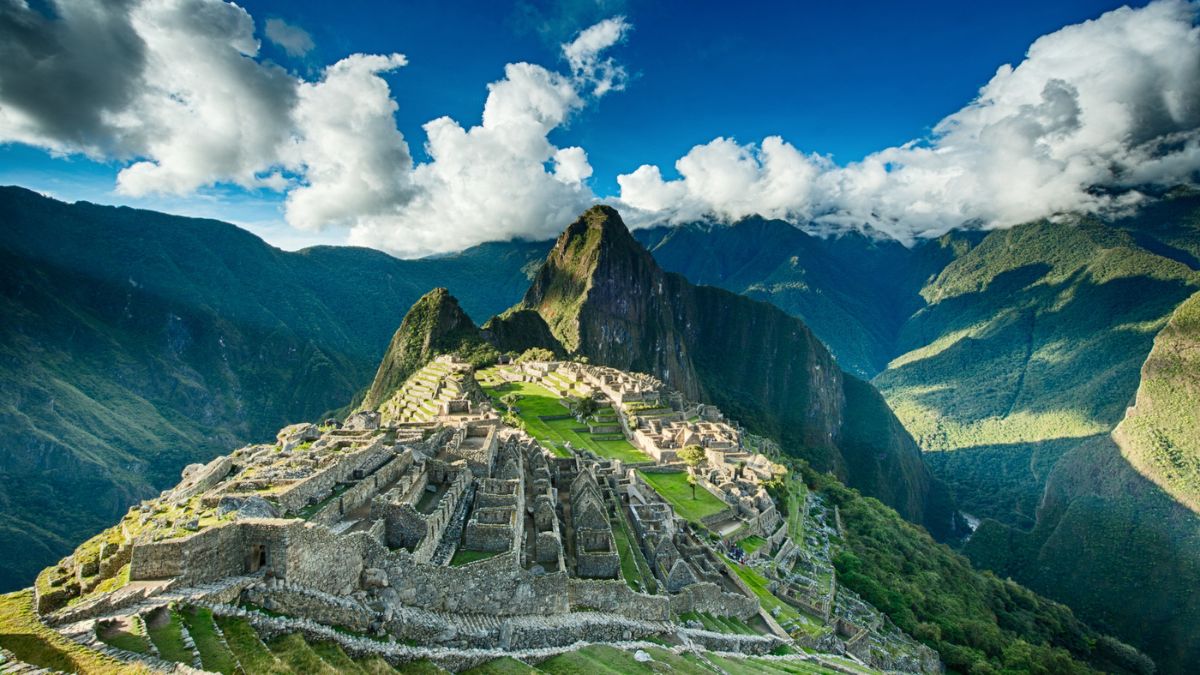
The era of wandering freely through the cloud forests of the Andes has definitively ended as Peru solidifies its restrictive new visitation protocols for Machu Picchu. Following a chaotic high season earlier this year, the Ministry of Culture has clamped down on tourist flow with a rigid system of unidirectional circuits that strictly prohibits backtracking. Visitors arriving at the UNESCO World Heritage site are now funnelled into one of three specific routes, a move designed to mitigate the physical erosion caused by foot traffic on the ancient Incan stonework.
Under the 2025 regulations, the daily visitor cap has been hard-set at 5,600 during the peak months of June to September, dropping to 4,500 for the shoulder seasons. This capacity is enforced through the government’s digital ticketing platform, Tuboleto, which has faced criticism for technical glitches and lack of availability. Travelers attempting to book last-minute excursions in Cusco are finding themselves turned away, with entry slots for the popular Circuit 2—which offers the classic postcard view of the citadel—often selling out more than two months in advance.
The most significant shift for the average tourist is the enforcement of mandatory guides for all first-time visitors. While previous regulations encouraged hiring a guide, the new rules make it a condition of entry to ensure compliance with the designated paths. Park rangers have been granted the authority to immediately expel any visitor found deviating from their assigned circuit or exceeding the strict time limits allocated for specific sectors like the Temple of the Sun.
Local operators report that the new “one-way” philosophy has fundamentally changed the rhythm of the tour. Unlike in previous years, where visitors could linger or return to a favorite spot for a better photo when the fog cleared, the current system forces a continuous forward motion. Once a visitor passes a checkpoint, there is no turning back, meaning a missed photo opportunity is lost for good unless a second ticket is purchased for a different circuit.
Despite the friction these measures have caused among independent travelers, preservationists argue they are the only way to save the site from irreversible damage. The new strictures aim to disperse crowds away from the fragile central plaza and towards the peripheral terraces, extending the site’s lifespan. For tourists planning a visit in late 2025 or 2026, the message is clear: spontaneity is no longer an option at the world’s most famous Incan ruin.