Middle East Tensions Redirect Tourists Toward European Destinations Like Spain
As participants in Amazon Associates and other programs, we earn from qualifying purchases. This comes at no additional cost to you. For more details, see our Affiliate Disclosure.
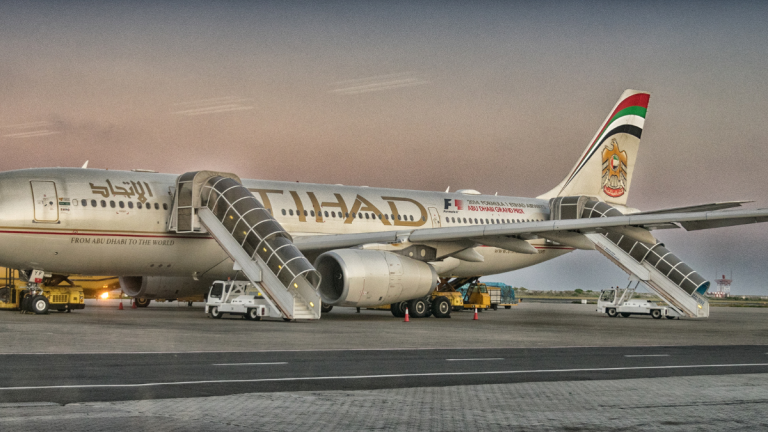
Escalating conflict in the Middle East has prompted temporary airspace closures at key regional hubs, triggering flight cancellations, route diversions, and growing uncertainty for airlines and passengers. Some tourists have begun canceling planned trips to Gulf countries amid heightened safety concerns following recent airstrikes and regional instability. Industry reports indicate early signs of redirected demand toward safer European alternatives, with Spain positioned as a primary beneficiary due to its established beach and cultural offerings.
The disruptions stem from multinational repatriation efforts and advisories issued by governments including Austria and Switzerland, which maintain high-level warnings against non-essential travel to multiple Middle Eastern nations. Austria’s Foreign Ministry reaffirmed its Level-4 “Do Not Travel” advisory for countries such as Israel, Iran, and the UAE on March 9, while noting assisted departures for over 100 nationals. Switzerland’s Federal Department of Foreign Affairs updated its bulletin the same day, urging avoidance of non-essential travel to several Gulf states and highlighting thousands of citizens still seeking exit options.
Airlines face operational challenges from volatile airspace, leading to paused additional repatriation flights and reliance on commercial routes where available. Travelers receive guidance to monitor digital notifications for reopening airways and prioritize commercial alternatives over government-assisted options when feasible.
This shift could alter international tourist flows in the short term, boosting bookings in Mediterranean destinations as visitors seek stability. European operators anticipate increased inquiries from markets previously favoring Middle Eastern luxury and beach escapes. The situation remains fluid, with potential for further advisories as tensions evolve.
Spain’s tourism sector stands ready to accommodate redirected visitors through existing infrastructure and promotional efforts focused on year-round appeal.