Jiuzhaigou Valley’s Vibrant Waters and Hidden Trails Unveil a Serene Wonderland in China’s Mountain Depths

As participants in Amazon Associates and other programs, we earn from qualifying purchases. This comes at no additional cost to you. For more details, see our Affiliate Disclosure.
Far from the bustling streets of major cities, a quiet stretch of land in southwestern China waits for those ready to leave the familiar behind. This highland spot, surrounded by peaks and valleys, gives travelers a chance to slow down and connect with a landscape that feels untouched by time.
The journey here often starts with a winding road or a quick flight, leading to an area where fresh air and open views set the tone for exploration. You might find yourself wandering paths lined with trees that change with the seasons, adding a layer of color to every step.
Jiuzhaigou Valley sits in Sichuan Province, on the edge of the Tibetan Plateau, with elevations climbing from about 2,000 meters to over 4,700 meters. Its name comes from nine Tibetan villages scattered through the area, each one holding onto traditions that blend with the natural surroundings.
The valley’s lakes are what make it stand out. Dozens of them dot the landscape, their waters shifting from blue to green thanks to minerals and clear depths that let you see straight to the bottom. Places like Five Flower Lake show off a rainbow of hues from the plants and rocks below, while Long Lake stretches out as the deepest and largest, reaching 103 meters down.
Waterfalls add to the magic. Nuorilang Falls, wide at 320 meters, crashes through the trees, and Pearl Shoal Waterfall spreads across a broad ledge, creating a misty veil perfect for photos. You can follow boardwalks and roads that cover 55 kilometers, making it easy to hop between sites without much hassle.
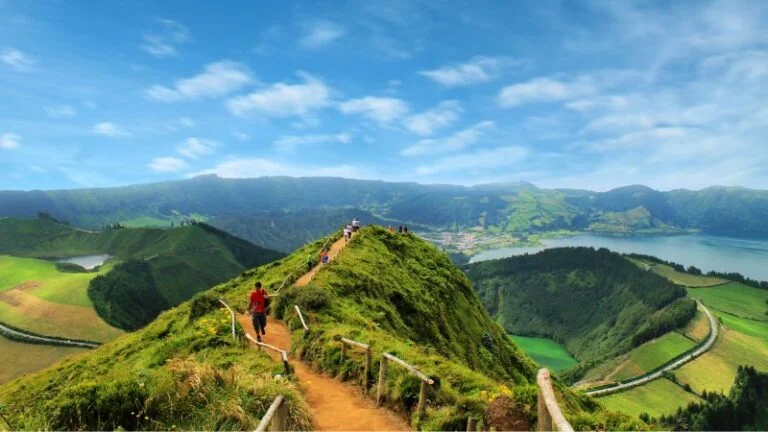
I like how the three main valleys—Rize, Zechawa, and Shuzheng—form a Y shape, guiding you through forests that burst into yellows and reds in fall. For something quieter, the Zharu Valley offers hikes and camping, where you might spot wildlife or rare plants that grow only here.
Biodiversity runs rich in these woods. Endangered animals like giant pandas and golden snub-nosed monkeys call the area home, though sightings are rare with fewer than 20 pandas around. Birds fill the skies, and the forests hold about 40 percent of China’s plant species, including rhododendrons and bamboo that thrive in the mixed terrain.
History ties deep into the land. Settled by Tibetans long ago, the valley stayed hidden until the 1970s when loggers discovered its beauty, leading to protection as a reserve in 1980. It earned UNESCO World Heritage status in 1992, and a 2017 earthquake shook things up, damaging some falls and lakes, but the park bounced back with careful fixes.
Local villages add a cultural touch. Spots like Heye or Shuzheng let you see handicrafts and try simple meals, supporting families who shifted from farming to tourism. We enjoy the quiet hospitality, where a chat over tea might reveal stories of the area’s past.
Getting to Jiuzhaigou takes some planning. Fly into Jiuzhai Huanglong Airport from cities like Chengdu or Beijing, then catch a bus for the last 90 minutes. Or take a longer bus ride from Chengdu along scenic canyons. A new train station opened in 2024, making access even smoother.
Visitor numbers have grown, from a handful in the 1980s to over a million by the early 2000s, but caps at 12,000 a day during peak times keep it from feeling too busy. Head there in autumn for the colorful leaves, or summer for mild days around 17 degrees Celsius, avoiding the rainy stretches.
Jiuzhaigou’s real draw is that sense of stepping into a living painting, with clear lakes reflecting snowy peaks and paths leading to peaceful spots. It’s a getaway where you can hike through ancient forests, dip your toes near a fall, and leave feeling refreshed by China’s wild side.