IATA Reports $11 Billion Hit to Airlines from Airspace Closures and Supply Delays

As participants in Amazon Associates and other programs, we earn from qualifying purchases. This comes at no additional cost to you. For more details, see our Affiliate Disclosure.
Closed airspaces and snarled supply chains are squeezing airlines worldwide, forcing longer routes and grounding planes amid a backlog of over 17,000 undelivered aircraft. The International Air Transport Association projects an $11 billion cost to carriers in 2025 alone, driven by excess fuel burn, maintenance hikes, and leasing premiums for engines and parts. Operators from India to Europe reroute flights over oceans or deserts, extending block times by hours and complicating crew schedules.
In India, the ongoing ban on Pakistani airspace reroutes northern departures from Delhi and Amritsar via southern oceanic paths or Gulf hubs, adding 1.5 to 2 hours per flight to Europe or the U.S. Fuel consumption rises by 20-30% on these detours, with carriers like IndiGo and Air India absorbing costs that could push fares up 5-10% on affected routes. Cargo capacity drops as belly holds fill with extra fuel, limiting shipments of perishables and electronics. The Directorate General of Civil Aviation monitors these shifts, but no immediate policy changes address the inefficiencies.
Globally, bans over Ukraine, Russia, Belarus, and segments of the Middle East compound the strain, with Venezuelan restrictions isolating Latin American connections. Russian carriers face 90-day engine overhaul waits, while Boeing and Airbus delays stretch to 6.8 years per order, up from 4.5 years in 2018. Over 60% of the active fleet sits in production queues, pushing airlines to lease older models at premiums exceeding 15%. Maintenance for landing gear now averages 120 days, grounding 5-7% more aircraft than pre-pandemic levels.
These bottlenecks amplify emissions, with detours alone contributing 2-3% to sector-wide carbon output despite efficiency gains in newer models. IATA Director General Willie Walsh notes that geopolitical tensions exacerbate supply vulnerabilities, urging governments to ease sanctions on parts flows without compromising security. European carriers report 10% higher leasing fees for widebodies, while Middle Eastern hubs like Dubai absorb overflow traffic but strain slot capacities.
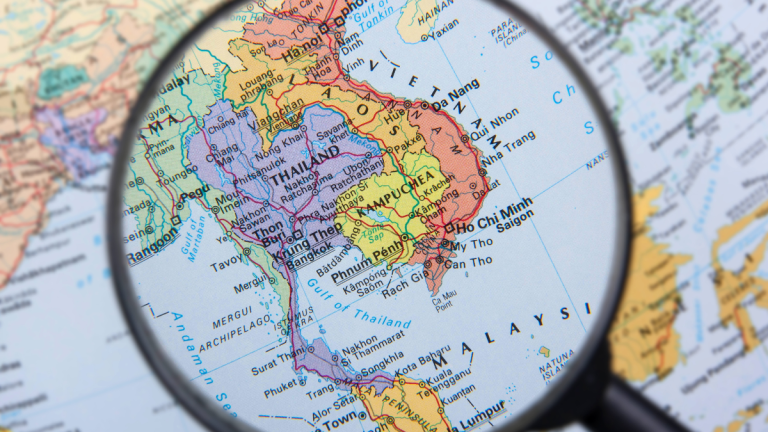
In Asia, Chinese airlines navigate Myanmar airspace gaps, adding 45-minute legs to Southeast routes and delaying monsoon-season recoveries. U.S. operators like Delta face indirect hits through transatlantic partners, with 8% of North Atlantic flights detoured since mid-2024. The cumulative effect erodes profitability, with net margins dipping below 3% for low-cost carriers reliant on quick turnarounds.
Recovery hinges on diplomatic thaws and manufacturing ramps, but analysts forecast persistent drags through 2026. Boeing targets 38 monthly 737 deliveries by year-end, yet quality probes have idled 20% of lines. Airbus fares better at 50 A320s per month but grapples with titanium shortages tied to Russian sanctions. Airlines stockpile components at 25% above 2023 levels, inflating balance sheets by $2-3 billion annually.
Travelers encounter cascading delays, with connection risks rising 12% on multi-leg itineraries. Booking platforms like Expedia flag reroute surcharges, while loyalty programs absorb devaluation from fewer premium seats. The World Travel & Tourism Council estimates a 1.5% dip in global passenger volumes if closures persist, hitting tourism-dependent economies hardest. IATA advocates for bilateral pacts to reopen select corridors, citing precedents like the 2023 Armenia-Azerbaijan thaw that shaved 30 minutes off Caspian flights.
Amid these pressures, innovation offers glimmers: Lufthansa trials predictive analytics to optimize detours, cutting fuel by 4% on Berlin-Mumbai runs. Southwest invests $11 million in system upgrades post-2022 meltdowns, focusing on real-time airspace feeds. Yet, without coordinated international action, the industry’s $1 trillion revenue base remains exposed to these man-made headwinds.