How Can You Travel Europe on a Budget?

As participants in Amazon Associates and other programs, we earn from qualifying purchases. This comes at no additional cost to you. For more details, see our Affiliate Disclosure.
Exploring Europe doesn’t have to drain your wallet. With smart planning and a bit of creativity, you can experience the continent’s vibrant cities, stunning landscapes, and rich history without spending a fortune. From affordable transport to cheap eats, there are plenty of ways to make your European adventure both memorable and cost-effective.
This guide shares practical tips to help you travel Europe on a budget. Whether you’re dreaming of wandering cobblestone streets or hiking scenic trails, we’ll cover how to save money while still enjoying the best the continent has to offer. Let’s explore how to make your trip affordable and unforgettable.
Choosing Affordable Destinations
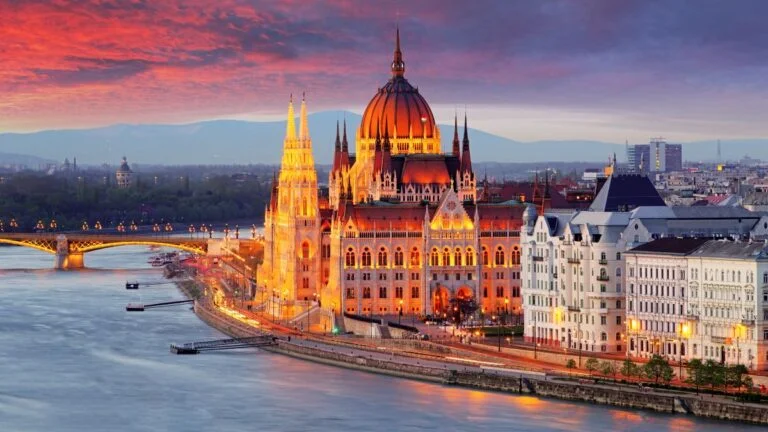
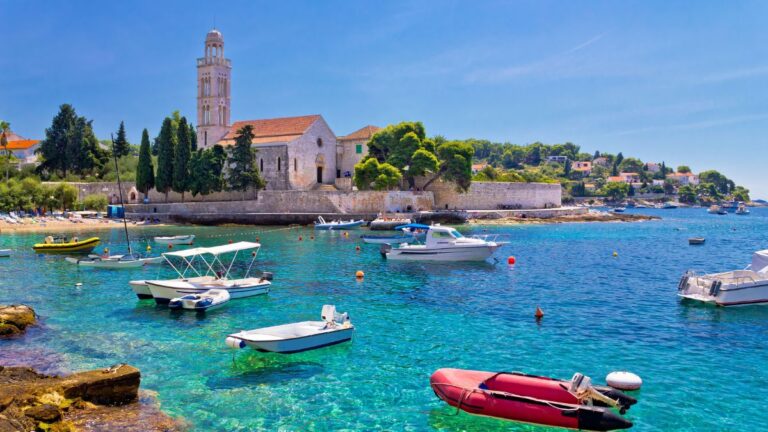
Picking the right places to visit is a great start to keeping costs low. Eastern European countries like Hungary, Poland, and Croatia often have lower prices for food, accommodation, and activities compared to Western Europe. For example, cities like Budapest or Krakow offer rich history and vibrant culture at a fraction of the cost of Paris or London.
Consider less touristy spots to stretch your budget further. Places like Sarajevo in Bosnia or Sofia in Bulgaria are not only affordable but also less crowded, giving you a more authentic experience. These destinations have stunning architecture, local markets, and budget-friendly dining options that won’t break the bank.
Timing matters too. Traveling during the off-season, like late fall or early spring, can save you money on flights and lodging. For instance, visiting the Amalfi Coast in October instead of June can cut accommodation costs significantly, with quieter beaches as a bonus.
Saving on Transportation
Getting around Europe cheaply is easier than you might think. Budget airlines like Ryanair, EasyJet, and WizzAir offer flights as low as 15 euros if you book early and travel light. Always check sites like Skyscanner or Omio to compare prices across airlines, buses, and trains. Be mindful of extra fees for luggage or seat selection to keep costs down.
Buses are often the cheapest way to travel between cities. Companies like FlixBus and Eurolines have extensive networks and fares starting at 5 euros for some routes. They may take longer than trains, but the savings are worth it for budget travelers. Booking in advance or being flexible with travel dates can score you even better deals.
Trains are a scenic and comfortable option, especially with an Interrail or Eurail pass if you’re hitting multiple countries. These passes can be cost-effective for those under 28, but you’ll need to book high-speed train reservations early to secure spots. Mixing buses for short trips and trains for longer ones helps balance cost and convenience.
Cutting Costs on Accommodation and Food
Accommodation can eat up your budget, but hostels are a great way to save. Dorm rooms in cities like Warsaw or Budapest can cost as little as 10 euros per night, while even pricier cities like Paris average around 30 euros. Look for hostels with kitchens to cook your own meals and save on dining out.
Eating like a local keeps food costs low. Shop at supermarkets or local markets for fresh bread, cheese, and produce to make affordable meals. In Spain, many bars offer free tapas with drinks, and in Italy, ordering the house wine is both cheap and delicious. Avoid restaurants near tourist hotspots, as they often charge more for lower-quality food.
Work exchanges or couchsurfing can make accommodation free. Platforms like Workaway let you trade a few hours of work, like helping at a guesthouse, for a place to stay. I once stayed with a family in Switzerland through Workaway, saving money while learning about local culture—an experience no hostel could match.
Maximizing Free and Low-Cost Activities
Europe is packed with free or cheap things to do. Many cities, like Berlin and Prague, offer free walking tours where you only tip the guide what you can afford. Sandemans New Europe runs these in 18 cities, covering major sights with local insights. You can also download Rick Steves’ audio tours for self-guided adventures at no cost.
Museums and attractions often have free entry days or discounts. For example, London’s Tate Gallery and British Museum are free to visit, while in Vienna, you can explore St. Stephen’s Cathedral or Schönbrunn Gardens without spending a dime. Check city tourism websites for deals on multi-attraction passes to save more.
Nature lovers can enjoy Europe’s hikes, beaches, and parks for free. Places like Ksamil in Albania, dubbed the ‘Maldives of Europe,’ offer stunning beaches without the hefty price tag of Greece or Italy. Researching local festivals or markets can also lead to free entertainment and a taste of authentic culture.