100 Free Things to Do in Rome Without Spending a Euro
As participants in Amazon Associates and other programs, we earn from qualifying purchases. This comes at no additional cost to you. For more details, see our Affiliate Disclosure.
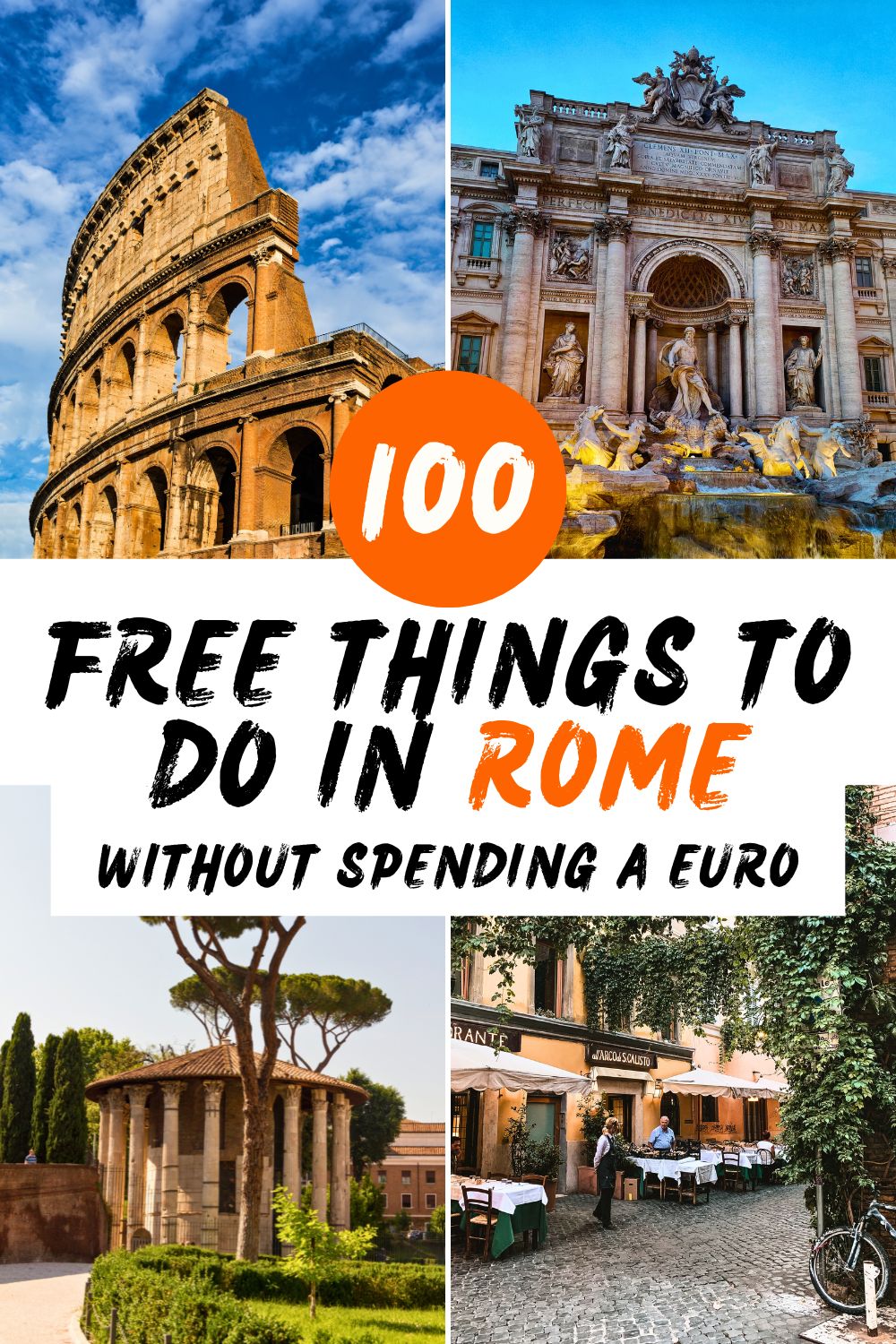
Rome, the Eternal City, conjures images of ancient wonders, Renaissance art, and delicious food – often accompanied by the thought of high expenses. But experiencing the soul of this magnificent city doesn’t have to break the bank; finding brilliant free things to do in Rome is surprisingly simple. There are countless Rome attractions without spending money, from wandering through stunning piazzas to admiring world-class art in churches, making budget-friendly activities Rome offers accessible to every traveller keen on exploring its rich history and vibrant street life affordably.
As a travel expert who has navigated Rome’s charming chaos many times, I’ve discovered that some of its most captivating experiences are completely free. This guide lists 100 ways to enjoy Rome’s beauty and history without reaching for your wallet, divided into easy sections. Let’s explore the churches, viewpoints, ancient sites, and hidden corners that make Rome truly special, all free of charge.
Free Churches and Basilicas
St. Peter’s Basilica: Enter the heart of the Vatican City and marvel at Michelangelo’s Pietà and Bernini’s Baldacchino inside the world’s largest church. Entry is free, but expect security queues; dress code enforced (shoulders and knees covered).
Basilica di Santa Maria Maggiore: Visit one of Rome’s four major papal basilicas, renowned for its stunning 5th-century mosaics. Admire the intricate ceiling, said to be gilded with gold brought back by Columbus; entry is free.
Basilica di San Giovanni in Laterano: Explore Rome’s official cathedral, the seat of the Bishop of Rome (the Pope), featuring impressive statues of the Apostles. Don’t miss the Scala Santa (Holy Stairs) across the street (climbing them has specific rules/costs, viewing is free).
San Luigi dei Francesi: Step inside near Piazza Navona to see three breathtaking masterpieces by Caravaggio depicting the life of St. Matthew. You may need coins to operate the timed lights illuminating the paintings.
Santa Maria sopra Minerva: Visit the only Gothic church in Rome, located behind the Pantheon, and see Michelangelo’s statue of Christ the Redeemer. Look for Bernini’s elephant obelisk just outside in the piazza.
Basilica di San Clemente: Discover a unique church built over a 4th-century church, which itself is built over a 1st-century Roman house containing a Mithraic temple. The upper church is free; lower levels require a ticket.
Santa Maria del Popolo: Find this church in Piazza del Popolo containing works by Caravaggio, Bernini, and Raphael in its various chapels. It’s a treasure trove of Renaissance and Baroque art.
San Pietro in Vincoli (St. Peter in Chains): Visit this basilica to see Michelangelo’s powerful statue of Moses, originally intended for Pope Julius II’s tomb. The chains said to have bound St. Peter are also displayed.
Santa Cecilia in Trastevere: Explore this beautiful church dedicated to the patron saint of music, featuring a famous sculpture of the saint by Stefano Maderno. Check for the remains of Roman houses underneath (paid access usually).
Santa Prassede: Admire stunning 9th-century Byzantine mosaics, especially in the Chapel of San Zeno, near Santa Maria Maggiore. The vibrant colours and detail are remarkable.
Il Gesù: Visit the mother church of the Jesuit order, a prime example of Baroque architecture with a breathtaking ceiling fresco. The trompe-l’œil ceiling creates an incredible 3D effect.
Sant’Ignazio di Loyola: Marvel at Andrea Pozzo’s spectacular trompe-l’œil ceiling fresco depicting St. Ignatius entering paradise, near the Pantheon. Stand on the marked marble disc on the floor for the best perspective.
Santa Maria in Trastevere: See one of Rome’s oldest churches, famous for its beautiful facade and stunning 12th and 13th-century mosaics inside. The piazza outside is also a lively gathering spot.
San Bartolomeo all’Isola: Visit this church on Tiber Island, dedicated to modern martyrs of the 20th and 21st centuries. It offers a unique and moving memorial.
Santa Maria della Vittoria: See Bernini’s famous sculpture, the Ecstasy of Saint Teresa, within the Cornaro Chapel (as featured in ‘Angels & Demons’). Entry to the church is free.
Sant’Andrea della Valle: Admire the large dome (second only to St. Peter’s) and frescoes in this Baroque church featured in the opera Tosca. The facade is particularly grand.
Santa Sabina: Visit this ancient, atmospheric 5th-century basilica on the Aventine Hill, known for its simplicity and beautiful carved wooden doors. The views from the adjacent park are wonderful.
Santa Costanza: Explore this 4th-century circular mausoleum, now a church, famed for its beautiful early Christian mosaics. It’s located slightly outside the main centre, near Sant’Agnese fuori le Mura; check opening times.
Trinità dei Monti: Visit the church at the top of the Spanish Steps, known for its twin towers and commanding position. The interior has some notable artworks; views from the front are iconic.
Santa Maria degli Angeli e dei Martiri: Discover this unique basilica designed by Michelangelo within the ruined frigidarium of the Roman Baths of Diocletian. Note the meridian line set into the floor.
Free Ancient Sites (Exterior Views)
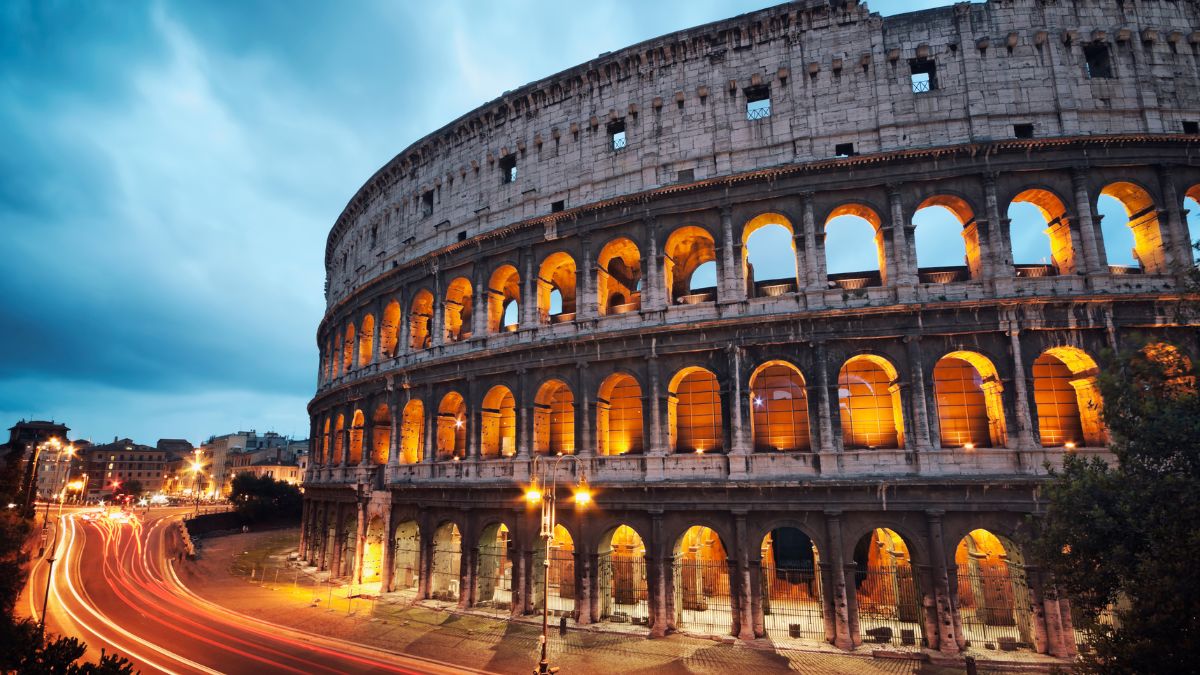
Colosseum Exterior View: Admire the iconic silhouette of the ancient amphitheatre from the outside, walking around its perimeter. The view from Via dei Fori Imperiali is classic.
Roman Forum from Via dei Fori Imperiali: Look down into the heart of ancient Rome’s political and social centre from the broad avenue running alongside it. Information panels help identify the ruins below.
Palatine Hill Views: Gaze up at the hill where Rome was founded, viewing the ruins of imperial palaces from the Circus Maximus or the Roman Forum area. It gives a sense of the scale of ancient Rome.
Circus Maximus: Walk the length of the vast ancient chariot racing stadium, now a large public park space. Imagine the thundering hooves and roaring crowds; great for a run or stroll.
Baths of Caracalla Exterior: View the impressive scale of the massive ancient public bath complex ruins from the surrounding streets. The size of the remaining walls is staggering.
Theatre of Marcellus: See the exterior of this ancient open-air theatre near the Jewish Ghetto, resembling a smaller Colosseum. Note how apartments were built into the upper levels later.
Arch of Constantine: Admire the large triumphal arch located between the Colosseum and Palatine Hill, commemorating Constantine I’s victory. Its detailed reliefs reuse parts of earlier monuments.
Trajan’s Column: Look up at the incredible spiral reliefs depicting Trajan’s military campaigns on the column standing near Piazza Venezia. Use the zoom on your camera to appreciate the detail.
Trajan’s Market Exterior: View the ruins of this large Roman complex, considered the world’s oldest shopping mall, from Via dei Fori Imperiali. Its semi-circular facade is impressive.
Pantheon Exterior: Admire the architectural marvel of the best-preserved ancient Roman building, with its massive portico and dome, from Piazza della Rotonda. Entry now costs €5, but the exterior view is free and stunning.
Castel Sant’Angelo Exterior: View the imposing cylindrical fortress on the Tiber, originally Emperor Hadrian’s mausoleum, later a papal fortress and prison. The bridge leading to it is lined with Bernini angel statues.
Pyramid of Cestius: See the surprisingly well-preserved ancient pyramid built around 18-12 BC near Porta San Paolo and the Protestant Cemetery. It’s an unexpected sight in Rome.
Walk along the Aurelian Walls: See sections of the ancient Roman defensive walls that enclosed the city, still remarkably intact in many places. The stretch near Porta San Sebastiano (Appian Way) is well-preserved.
Largo di Torre Argentina: Look down upon the excavation site containing the ruins of four Roman Republican temples, famously where Julius Caesar was assassinated. A cat sanctuary now occupies the site.
Portico d’Ottavia: Walk through the remains of this ancient structure in the Jewish Ghetto, originally enclosing temples and libraries. It provides an atmospheric entrance to the historic neighbourhood.
Free Piazzas and Fountains
Piazza Navona: Stroll through one of Rome’s most famous Baroque squares, admiring Bernini’s Fountain of Four Rivers and the church of Sant’Agnese in Agone. It’s always buzzing with artists and tourists; great for people-watching.
Trevi Fountain: Toss a coin (tradition says it ensures your return to Rome!) into the world’s most famous fountain, a stunning Baroque masterpiece. Visit early morning or late night to avoid the biggest crowds.
Piazza del Popolo: Explore the large oval piazza featuring an Egyptian obelisk, twin churches, and the gateway of Porta del Popolo. Climb the steps to the Pincian Hill on one side for great views.
Piazza di Spagna and the Spanish Steps: Sit (briefly – sitting is now often discouraged) or walk up the famous 135 steps connecting the piazza to Trinità dei Monti church. The atmosphere and views are iconic; expect crowds.
Campo de’ Fiori: Experience the lively morning market (Mon-Sat) in this historic square, known for its statue of Giordano Bruno. By night, it transforms into a popular hub for bars and restaurants.
Piazza Venezia: Stand before the massive Altare della Patria (Altar of the Fatherland) monument dominating this busy central square. While entry to the monument’s museum costs, viewing the exterior is free.
Piazza del Campidoglio: Visit the stunning Renaissance piazza designed by Michelangelo on Capitoline Hill, with its Cordonata steps and replica statue of Marcus Aurelius. The views over the Roman Forum from behind the Senatorial Palace are superb.
Piazza Santa Maria in Trastevere: Relax by the fountain in this charming piazza, the heart of the Trastevere neighbourhood, facing the beautiful basilica. It’s especially atmospheric in the evening.
Fountain of the Four Rivers (Piazza Navona): Admire Bernini’s masterpiece fountain representing four major rivers of the known continents. Each figure is full of dynamism and detail.
Triton Fountain (Piazza Barberini): See another Bernini fountain depicting Triton blowing a conch shell, commissioned by Pope Urban VIII. It’s a powerful example of Baroque sculpture.
Turtle Fountain (Fontana delle Tartarughe): Discover this charming late Renaissance fountain hidden away in Piazza Mattei in the Jewish Ghetto. The bronze turtles were added later, possibly by Bernini.
Fontana dell’Acqua Paola (Il Fontanone): Admire this monumental Baroque fountain on the Janiculum Hill, offering spectacular views over Rome. It featured prominently in the film ‘La Grande Bellezza’; great for sunset.
Piazza della Rotonda: Enjoy the atmosphere in the square facing the Pantheon, with its central fountain topped by an obelisk. It’s a prime spot to marvel at the ancient temple.
Piazza Testaccio: Experience a more local Roman square in the heart of the Testaccio neighbourhood, centred around its market building. It offers a glimpse into everyday Roman life.
Quattro Fontane (Four Fountains): See the group of four late Renaissance fountains located at the intersection of Via delle Quattro Fontane and Via del Quirinale. Each fountain depicts a reclining figure; be careful of traffic at the busy intersection.
Free Parks and Viewpoints
Villa Borghese Gardens: Wander through Rome’s most famous public park, offering shaded walkways, a lake (boating costs money), temples, and viewpoints. Rent a bike or stroll for hours.
Pincian Hill Terrace (Villa Borghese): Head to this terrace above Piazza del Popolo within the Villa Borghese gardens for one of Rome’s classic panoramic views. It’s especially beautiful at sunset.
Gianicolo Hill (Janiculum): Walk up this hill for arguably the best panoramic viewpoint over Rome’s historic centre. A cannon fires daily at noon; look for the equestrian statue of Garibaldi.
Aventine Hill & Orange Garden (Giardino degli Aranci): Stroll through this peaceful garden filled with orange trees on Aventine Hill, offering lovely framed views of the city and St. Peter’s dome. It’s a romantic and tranquil spot.
Aventine Keyhole: Find the famous secret keyhole at the Priory of the Knights of Malta on Aventine Hill for a perfectly framed view of St. Peter’s Basilica. Expect a small queue for this unique photo opportunity.
Capitoline Hill View of Forum: Walk behind the Palazzo Senatorio on Piazza del Campidoglio for stunning free views overlooking the ruins of the Roman Forum. It offers a great perspective on the ancient city layout.
Appian Way Regional Park (Parco Regionale Appia Antica): Walk or cycle along sections of the ancient Roman road, lined with tombs, catacombs (paid entry), and pine trees. Sundays are best when parts are closed to traffic.
Parco degli Acquedotti: Explore this park on the outskirts of Rome, featuring the impressive remains of several ancient Roman aqueducts. It feels like stepping back in time; great for picnics.
Villa Doria Pamphili: Discover Rome’s largest landscaped public park, located just outside the ancient city walls. It offers vast green spaces, woods, and a lake; perfect for a long walk or run.
Monte Mario Viewpoint (Zodiaco): Travel to Rome’s highest hill for sweeping views, although it’s further out and requires transport. The view encompasses a wider area including the Vatican and stadium.
Celio Hill Park (Villa Celimontana): Relax in this pleasant public garden near the Colosseum, offering shade and quiet paths. It sometimes hosts free jazz concerts in summer.
View from Castel Sant’Angelo Bridge: While crossing the bridge (Ponte Sant’Angelo), enjoy fantastic views of the castle itself and down the River Tiber towards St. Peter’s Basilica. The angel statues by Bernini’s school are impressive.
View from Ponte Umberto I: Stand on this bridge for a classic postcard view looking down the Tiber towards St. Peter’s Basilica and Ponte Sant’Angelo. It’s particularly beautiful in the late afternoon light.
Villa Torlonia Park: Explore the gardens of Mussolini’s former residence, featuring interesting buildings like the Casina delle Civette (paid museum) and faux ruins. The park itself is free to wander.
View from the top of the Spanish Steps: Climb the steps for rewarding views over Piazza di Spagna and the surrounding streets. It’s a classic Roman experience, connecting two iconic landmarks.
Free Neighbourhood Strolls
Explore Trastevere: Get lost in the charming cobblestone alleys, ivy-clad buildings, artisan shops, and lively atmosphere of this popular neighbourhood across the Tiber. It’s best explored without a specific destination.
Wander the Jewish Ghetto: Discover the history and atmosphere of one of Europe’s oldest Jewish quarters, with its mix of ancient ruins (Portico d’Ottavia), synagogues (paid entry), and kosher restaurants. The history here is palpable.
Stroll through Monti: Explore the bohemian neighbourhood behind the Forum, known for its independent boutiques, vintage shops, hip cafes, and village-like feel. Via Urbana and Piazza della Madonna dei Monti are central points.
Discover Testaccio: Explore this authentic working-class neighbourhood known for its covered market, traditional trattorias, and the Monte Testaccio (a hill made of ancient pottery shards). It offers a glimpse of local Roman life.
Walk Via dei Fori Imperiali: Stroll down the grand avenue connecting Piazza Venezia to the Colosseum, flanked by the ruins of the Imperial Forums. It’s particularly atmospheric in the evening when the ruins are lit.
Explore the Quartiere Coppedè: Seek out this small, whimsical neighbourhood near Via Tagliamento, known for its unique and fantastical Art Nouveau/Baroque fusion architecture. The Fountain of the Frogs is a centrepiece.
Walk along Via Margutta: Stroll down the quiet, picturesque street near Piazza del Popolo, known for its art galleries, ivy-covered buildings, and connection to the film ‘Roman Holiday’. It feels like a hidden escape.
Explore the area around Campo de’ Fiori: Wander the streets surrounding the famous piazza, discovering artisan workshops, small trattorias, and historic buildings like Palazzo Farnese (exterior). The atmosphere changes from day to night.
Walk Via Veneto: Stroll along the elegant street made famous by Fellini’s ‘La Dolce Vita’, known for its luxury hotels and cafes (though its heyday has passed). Imagine the glamour of the 1960s.
Tiber Island (Isola Tiberina): Walk across the small island connecting Trastevere to the other side of the river via ancient bridges (Ponte Fabricio and Ponte Cestio). It houses a hospital and the Church of San Bartolomeo.
Free Markets and Window Shopping
Campo de’ Fiori Market (Browsing): Soak up the vibrant atmosphere of the morning market, browsing colourful displays of produce, flowers, spices, and souvenirs. Resist the urge to buy if sticking to a zero budget.
Porta Portese Flea Market (Browsing): Explore Rome’s vast Sunday morning flea market, stretching along several streets in Trastevere, selling everything imaginable. Go early for the best experience and be mindful of pickpockets.
Testaccio Market (Browsing): Wander through the modern covered market in Testaccio, admiring food stalls, fresh produce, and clothing stands frequented by locals. It’s great for observing daily Roman shopping.
Via del Corso Window Shopping: Stroll Rome’s main shopping street, lined with international brands and department stores, stretching from Piazza Venezia to Piazza del Popolo. It’s always busy and bustling.
Via Condotti Window Shopping: Gaze at the flagship stores of luxury Italian and international designers near the Spanish Steps. This is Rome’s most exclusive shopping street.
Via del Babuino Window Shopping: Explore another elegant street running between Piazza del Popolo and Piazza di Spagna, known for antique shops and high-end boutiques. It’s generally quieter than Via Condotti.
Via dei Coronari Window Shopping: Walk down this picturesque street near Piazza Navona, historically home to sellers of rosaries (‘corone’), now known for antique shops and artisan boutiques. The Renaissance architecture is beautiful.
La Rinascente Department Store (Terrace View): Browse the floors of this upscale department store on Via del Tritone and take the escalator up to the top floor food hall/terrace for free views (food/drinks cost). You can also see part of the Aqua Virgo aqueduct in the basement.
Coin Excelsior Department Store (Browsing): Explore this stylish department store on Via Cola di Rienzo (Prati neighbourhood), offering a mix of fashion, design, and food. It provides a glimpse into contemporary Italian style.
Book Market at Largo della Fontanella di Borghese: Browse stalls selling antique prints, maps, and second-hand books at this small market near Via Condotti. It’s a niche market for collectors and browsers.
Miscellaneous Free Gems
St. Peter’s Square: Stand in the magnificent elliptical square designed by Bernini, embracing St. Peter’s Basilica. Admire the colonnades, central obelisk, and fountains; check the ‘centre of the colonnade’ markers on the ground.
Papal Audience (Wednesday): Attend the Pope’s general audience in St. Peter’s Square or the Audience Hall (check schedule). Free tickets must be booked in advance and picked up from the Swiss Guards.
Angelus Prayer (Sunday): See the Pope appear at his apartment window overlooking St. Peter’s Square to deliver a short blessing at noon on Sundays (if he is in Rome). Arrive early for a good spot.
Mouth of Truth (Bocca della Verità): Place your hand in the mouth of the famous ancient drain cover (legend says it bites off liars’ hands) located in the portico of Santa Maria in Cosmedin church. There might be a queue and a small donation is often encouraged.
Drink from ‘Nasoni’ Fountains: Refill your water bottle at Rome’s ubiquitous small street fountains (‘big noses’), providing free, clean drinking water. It’s a classic Roman experience.
Passetto di Borgo View: See the elevated passageway connecting the Vatican to Castel Sant’Angelo, used as an escape route for Popes. You can view it from Borgo Vittorio or near the Castle.
Free Walking Tours: Join a ‘free’ walking tour covering major sights (tipping your guide at the end is expected and highly recommended). It’s a great way to get oriented on your first day.
Vatican Museums Free Sunday: Visit the vast Vatican Museums, including the Sistine Chapel, for free on the last Sunday of each month (9 am – 2 pm, last entry 12:30 pm). Expect huge crowds and long queues; arrive extremely early.
Look Up in Churches: Simply step inside almost any church you pass – beyond the major ones listed, countless smaller churches contain hidden art treasures or beautiful architecture. Always be respectful when entering.
People Watching: Find a bench in any major piazza (Navona, Popolo, Rotonda) or park (Villa Borghese) and simply watch the world go by. It’s one of the best free shows in Rome.