Best Time to Visit Yellowstone National Park

As participants in Amazon Associates and other programs, we earn from qualifying purchases. This comes at no additional cost to you. For more details, see our Affiliate Disclosure.
Yellowstone National Park’s geysers, wildlife, and rugged landscapes make it a natural masterpiece that captivates adventurers. The best time to visit Yellowstone is late spring (May to June) or early autumn (September to October), when mild weather, fewer crowds, and vibrant scenery create the perfect setting for exploring. You’ll watch Old Faithful erupt, hike Grand Prismatic’s trails, or spot bison in Lamar Valley with comfortable temperatures and open roads.
These seasons let you soak in Yellowstone’s geothermal wonders and vast wilderness, from Mammoth Hot Springs to Yellowstone Lake. Whether you’re photographing waterfalls or stargazing under clear skies, late spring and early autumn make every moment unforgettable. Let’s dive into why these months shine and how to plan your Yellowstone adventure.
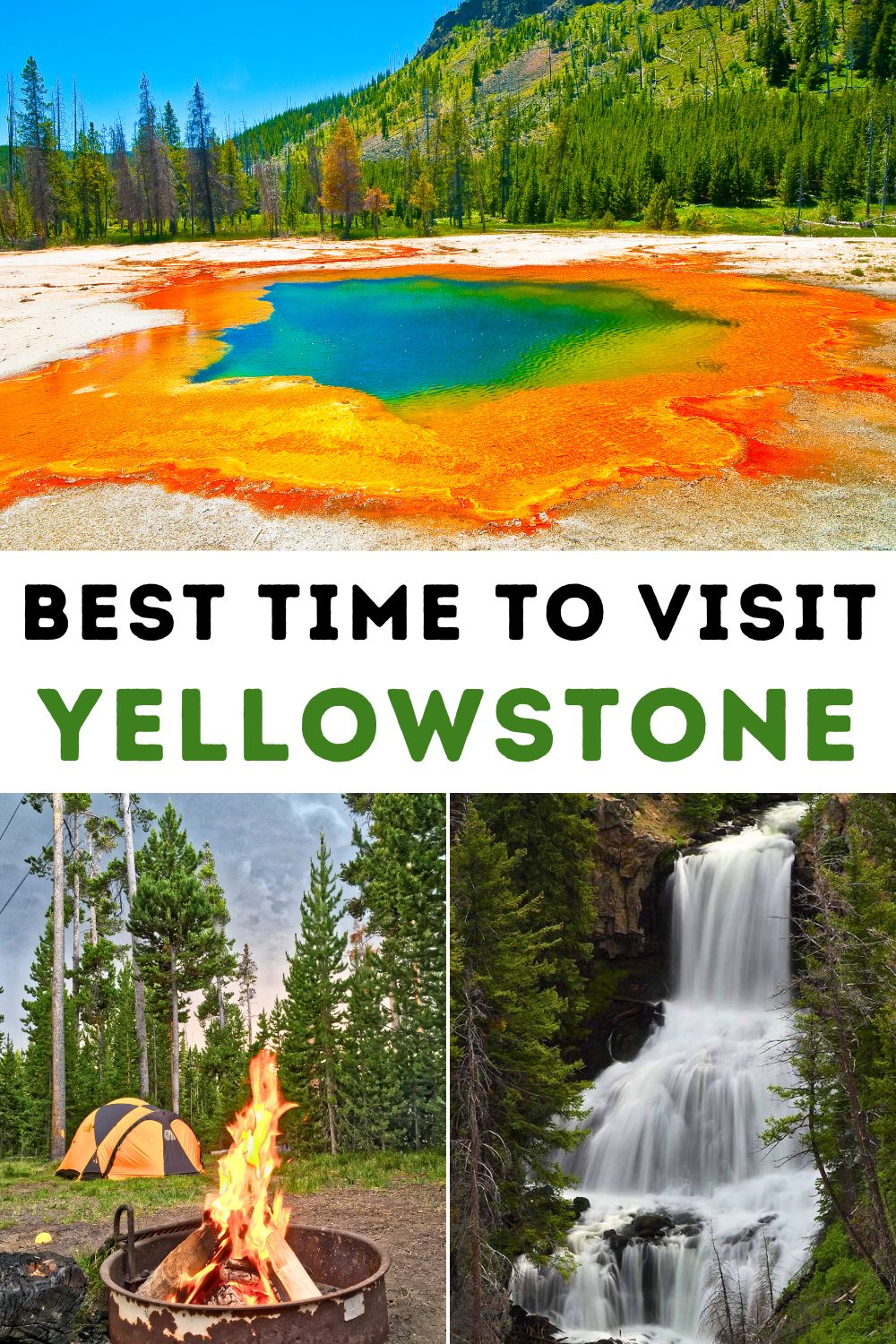
Weather That Feels Just Right
Late spring and early autumn bring Yellowstone’s most pleasant weather, with temperatures between 10-20°C in lower areas and cooler 5-15°C at higher elevations. You can trek to Fairy Falls or explore Norris Geyser Basin without summer’s 30°C heat or winter’s deep snow. Lakeside areas like West Thumb are mild, ideal for kayaking or scenic drives.
Mornings are crisp, perfect for sunrise at Hayden Valley or wildlife spotting before the midday warmth. Evenings cool off, great for campfire dinners at Canyon Village or sunsets over the Grand Canyon of the Yellowstone.
Unlike July’s crowded trails or January’s icy closures, these seasons keep you comfortable for outdoor adventures. A light fleece or waterproof jacket is all you need to roam from valleys to peaks.
Quieter Trails, Wild Charm
Summer packs Yellowstone’s hotspots—think Old Faithful or Mammoth Terraces—with families, but May, June, September, and October offer more space. You’ll linger at Artist Point or Dunraven Pass without weaving through crowds. Smaller areas like Firehole Lake Drive feel serene, with room to watch geothermal pools bubble.
The Beartooth Highway and backcountry trails see fewer hikers, making guided tours or solo treks more personal. Even popular spots like the Lower Falls have a relaxed pace, with shorter lines for viewpoints.
These months let you tap into Yellowstone’s wild soul. You might chat with a ranger about wolves or share a trail with locals near Tower-Roosevelt, feeling the park’s untamed spirit.
Wildlife and Natural Splendor
Yellowstone’s landscapes and wildlife thrive in these seasons. May’s meadows bloom with lupines, perfect for hiking in the Gallatin Range or biking near West Yellowstone. September’s golden aspens light up trails around Mount Washburn, and elk bugle in Mammoth during the rut.
Wildlife is active—bison roam Lamar Valley, easily spotted on dawn drives, while grizzly bears forage in Hayden Valley. Wolves prowl near Slough Creek, and pronghorn dash across sagebrush flats, thrilling for guided safaris.
For adventure, try horseback riding in Paradise Valley or fly-fishing in the Madison River. The mild weather makes every moment—from geothermal steam at Midway Geyser Basin to stargazing in Lamar—feel alive and effortless.
Cultural and Local Vibes
Spring and autumn align with unique Yellowstone experiences. June’s ranger-led programs ramp up, offering talks on geology or history near Old Faithful Inn. September’s Yellowstone Harvest Festival in Gardiner brings local brews, bison burgers, and live music, celebrating Montana’s frontier spirit.
Native American heritage shines through exhibits at the Albright Visitor Center, where you can learn about the park’s 27 affiliated tribes. Small events, like photography workshops or fly-tying demos in West Yellowstone, add a community touch.
These months make it easy to connect with the park’s story. You might join a campfire talk about Yellowstone’s supervolcano or browse handmade crafts at a Cody market, feeling its timeless draw.
Travel Made Smoother
Spring and autumn are easier on your wallet than peak summer. Flights to Bozeman or Jackson Hole can be 10-15% cheaper, and accommodations—from lodges in Grant Village to campgrounds near Madison—offer better rates. You’ll find deals on shuttle passes or guided tours, too.
Restaurants in park villages serve seasonal dishes like trout or huckleberry pie at fair prices, and activities like boat rentals on Yellowstone Lake or wildlife tours in Lamar Valley are less booked up, with more last-minute options. Day trips to the Tetons or Bechler Falls run smoothly with open roads.
With milder weather, you won’t face summer’s crowded lots or winter’s snowbound gates. You can focus on savoring Yellowstone’s magic—whether it’s a coffee at Lake Hotel or a sunrise over the Boiling River—without a hitch.