Best Time to Visit Vietnam
As participants in Amazon Associates and other programs, we earn from qualifying purchases. This comes at no additional cost to you. For more details, see our Affiliate Disclosure.
Vietnam’s vibrant markets, lush rice terraces, and ancient temples make it a destination that hums with energy and history. The best time to visit Vietnam is spring (February to April) or autumn (September to November), when mild weather, clear skies, and lower humidity create perfect conditions for exploring. You’ll cruise Ha Long Bay’s limestone karsts, wander Hoi An’s lantern-lit streets, or savor phở in Hanoi with comfortable temperatures and a lively local vibe.
These seasons let you soak in Vietnam’s diverse regions, from Sapa’s misty mountains to the Mekong Delta’s waterways. Whether you’re tasting banh mi in Ho Chi Minh City or biking through Ninh Binh, spring and autumn make every moment unforgettable. Let’s dive into why these months shine and how to plan your Vietnamese adventure.

Weather That Feels Just Right
From February to April and September to November, Vietnam enjoys pleasant weather with temperatures between 20-28°C across most areas. You can explore Hue’s Imperial City or kayak in Lan Ha Bay without summer’s 35°C heat or the wet season’s downpours. Coastal beaches like Da Nang are warm enough for swimming, with gentle breezes.
Mornings are crisp, ideal for sunrise treks in Phong Nha or visiting Sa Pa’s markets before the midday warmth. Evenings cool off, perfect for street food crawls in Dalat or sunsets over the Perfume River.
Unlike July’s sticky humidity or January’s northern chill, these seasons keep you comfortable for outdoor adventures. A light jacket for cooler highlands is all you need to roam from deltas to dunes.
Quieter Paths, Local Soul
Summer and Tet (January-February) pack Vietnam’s hotspots, but spring and autumn offer a calmer pace. You’ll linger at Hanoi’s Temple of Literature or Hoi An’s Japanese Bridge with fewer crowds, especially in March or October. Smaller towns like Mai Chau or Kon Tum feel intimate, with locals sharing stories over rice wine.
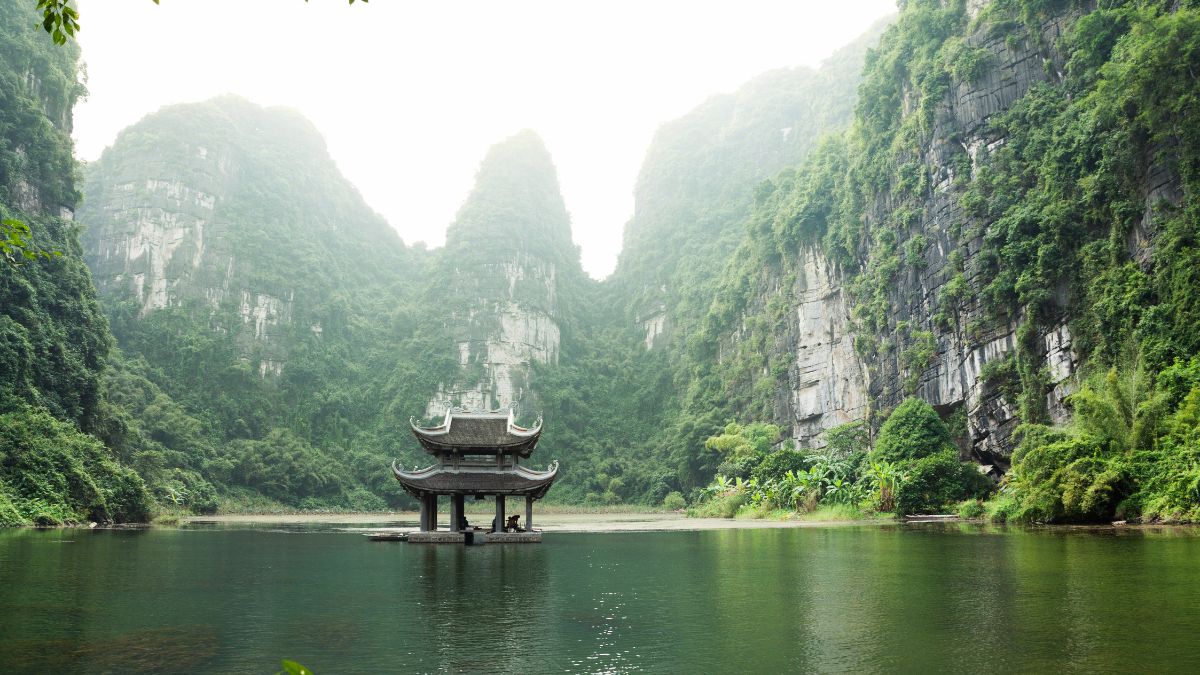
Night markets in Can Tho and beaches in Phu Quoc have a relaxed buzz, so you can haggle for pearls or book a snorkel tour without a rush. Even popular spots like Tam Coc’s rice fields have more space for boat rides.
These months let you tap into Vietnam’s heart. You might join a communal meal in a Ha Giang village or browse silk at a Hue market, feeling like you’re part of the daily rhythm.
Festivals and Cultural Riches
Spring and autumn burst with Vietnamese traditions. April’s Hung Kings Festival in Phu Tho honors the nation’s founders with incense, drums, and sticky rice cakes, vibrant in rural temples. September’s Mid-Autumn Festival fills Ho Chi Minh City with lanterns, mooncakes, and lion dances.
October’s Kate Festival in Ninh Thuan celebrates Cham culture with tower ceremonies, music, and woven crafts. Smaller events, like buffalo racing in An Giang or coffee fairs in Buon Ma Thuot, showcase fresh beans and river fish.
Markets brim with lotus seeds, mangoes, and handmade conical hats, and you can join cooking classes in Hoi An or lantern-making workshops in Hue. These seasons make it easy to dive into Vietnam’s flavors and heritage.
Nature’s Vibrant Glow
Vietnam’s landscapes dazzle in these seasons. Sapa’s rice terraces and Mu Cang Chai’s hills glow green in spring, perfect for trekking or biking. September’s Ha Long Bay sparkles under clear skies, ideal for kayaking or overnight cruises among emerald waters.
Wildlife thrives—gibbons swing in Cat Tien National Park, easily spotted on guided walks, while dolphins swim off Cham Islands in autumn. Phu Quoc’s coral reefs are vibrant, great for snorkeling or diving.
For adventure, try caving in Phong Nha or sandboarding in Mui Ne. The mild weather makes every moment—from waterfall swims in Ba Be to stargazing in Con Dao—feel alive and effortless.
Travel Made Smoother
Spring and autumn are Vietnam’s sweet spot for affordability. Flights to Hanoi or Ho Chi Minh City can be 10-20% cheaper than Tet or summer peaks, and accommodations—from guesthouses in Da Lat to resorts in Nha Trang—offer better rates. You’ll find deals on bus passes or guided tours, too.
Restaurants serve seasonal dishes like bun rieu or fresh spring rolls at budget-friendly prices, and activities like Mekong Delta boat trips or motorbike tours in Ha Giang are less booked up, with more last-minute options. Day trips to Cu Chi Tunnels or Ba Na Hills run smoothly with stable weather.
The clear conditions mean no flooded roads or canceled cruises. You can focus on savoring Vietnam’s magic—whether it’s a ca phe sua da in Da Nang or a sunset over the Red River—without a hitch.