Best Time to Visit the Grand Canyon

As participants in Amazon Associates and other programs, we earn from qualifying purchases. This comes at no additional cost to you. For more details, see our Affiliate Disclosure.
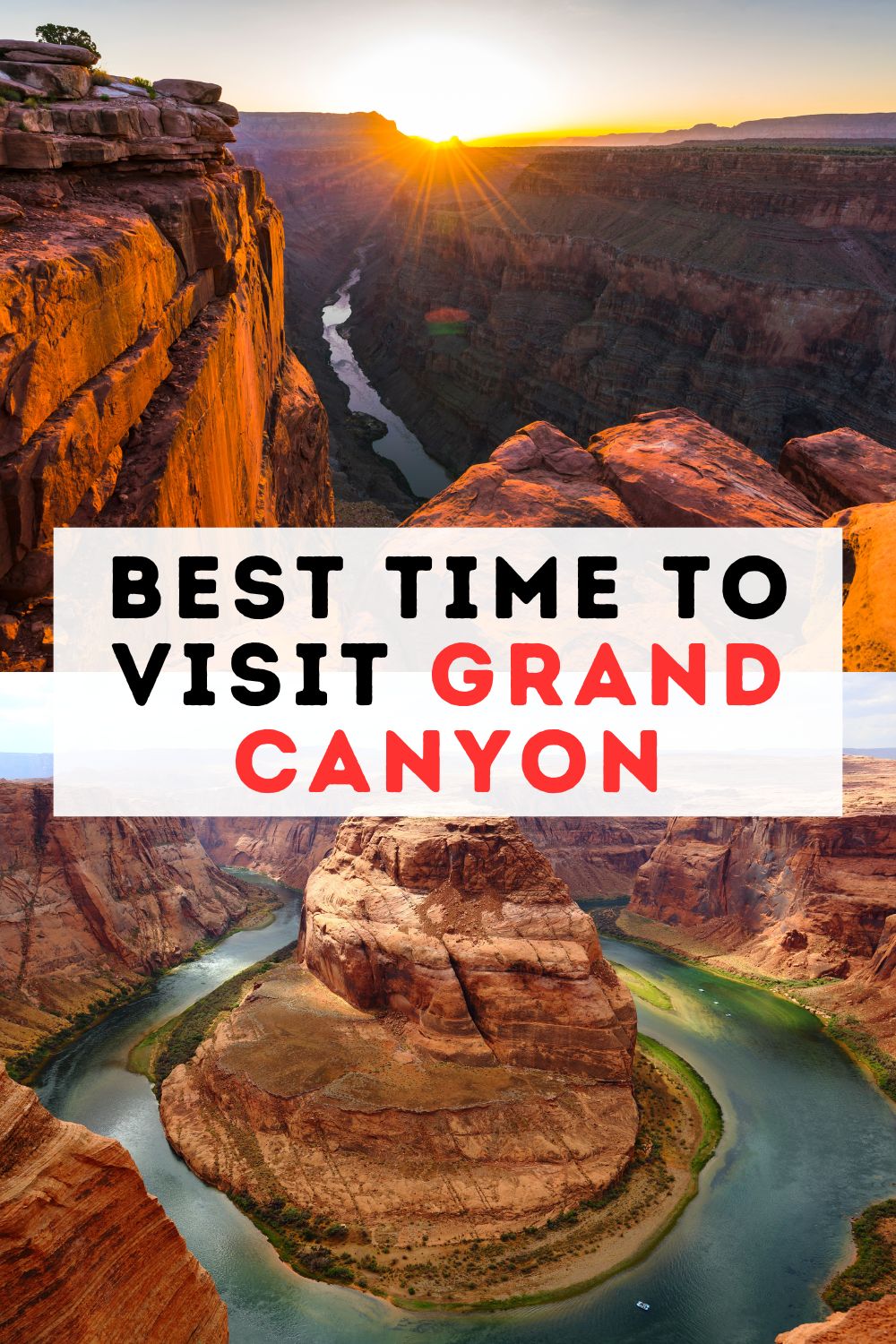
The Grand Canyon’s vast, colorful chasms and rugged trails make it a natural wonder that leaves you awestruck. The best time to visit the Grand Canyon is spring (March to May) or autumn (September to November), when mild weather, fewer crowds, and vibrant vistas create the perfect conditions for exploring. You’ll hike the South Rim, raft the Colorado River, or gaze at sunsets from Mather Point with comfortable temperatures and clear skies.
These seasons let you soak in the canyon’s grandeur, from its layered rock walls to its star-filled nights, without battling summer heat or winter ice. Whether you’re chasing epic views or quiet moments, spring and autumn make every adventure unforgettable. Let’s dive into why these months shine and how to plan your Grand Canyon trip.
Weather That Invites Adventure
Spring and autumn bring the Grand Canyon’s most pleasant weather, with temperatures at the South Rim ranging from 10-22°C. You can hike Bright Angel Trail or explore Desert View without the summer’s 38°C scorchers or winter’s icy patches. The North Rim, open mid-May to mid-October, is cooler at 5-18°C, perfect for forest strolls.
Mornings are crisp, ideal for sunrise at Yavapai Point or a mule ride before the midday warmth. Evenings cool off, great for stargazing at Grand Canyon Village or cozying up by a campfire with a hot drink.
Unlike July’s intense heat, which can make long hikes risky, or January’s snow, these months keep you comfortable for outdoor fun. A light fleece is all you need to roam from rim to river.
Quieter Trails, Deeper Moments
Summer packs the Grand Canyon with families and tour groups, but spring and autumn thin the crowds. You’ll linger at Lipan Point or wander the Rim Trail without dodging selfie sticks. Smaller overlooks like Shoshone Point feel serene, offering uninterrupted views of the canyon’s depths.
The North Rim, less visited than the South, is especially peaceful in May or September, with empty paths through meadows and aspen groves. Even popular spots like Grand Canyon Lodge have shorter lines for dining or shuttle buses.
These seasons let you connect with the canyon’s magic. You might chat with a ranger about condors or share a picnic with locals at a quiet viewpoint, feeling the vastness sink in.
Nature’s Vibrant Show
Spring and autumn paint the Grand Canyon in stunning hues. March brings wildflowers like Indian paintbrush to the South Rim, while September’s cottonwoods and aspens turn gold along the North Rim’s trails. Wildlife thrives—mule deer graze at dawn, and California condors soar above the cliffs.
The Colorado River runs clear and inviting, ideal for rafting trips through the canyon’s heart. Clear skies in autumn make stargazing epic, with the park’s dark-sky status revealing Milky Way views that rival any planetarium.
For adventure, try biking the Hermit Road or hiking to Skeleton Point. The mild weather makes every moment—from spotting bighorn sheep to photographing layered rock at sunset—feel alive and effortless.
Cultural and Local Gems
Spring and autumn align with unique events that deepen your canyon experience. May’s Grand Canyon Star Party draws astronomers to both rims for telescope viewings and talks under the night sky. September’s Grand Canyon Celebration of Art showcases plein-air painters capturing the landscape’s beauty.
Local Native American communities, like the Havasupai and Navajo, share their heritage through ranger-led talks or craft markets near Tusayan. You can learn about traditional basketry or taste frybread at a roadside stand.
These months also bring quieter moments to explore historic sites like the El Tovar Hotel or Hermits Rest, where you can sip coffee and imagine the canyon’s early explorers, feeling its timeless pull.
Travel Made Smoother
Spring and autumn are easier on your budget than peak summer. Shuttle fares to the South Rim or lodging in Flagstaff can be 10-15% cheaper, and campgrounds like Mather or Desert View have more open spots. You’ll find deals on guided hikes or helicopter tours, too.
Restaurants in Grand Canyon Village serve hearty dishes like elk chili or Navajo tacos at fair prices, and activities like mule trips or rafting excursions are less booked up, with more last-minute options. The North Rim’s limited season means planning ahead, but it’s worth it for the solitude.
With stable weather, you won’t face summer’s crowded shuttles or winter’s road closures. You can focus on savoring the canyon’s magic—whether it’s a coffee at Bright Angel Lodge or a sunrise over Yaki Point—without logistical hiccups.