Best Time to Visit Rome
As participants in Amazon Associates and other programs, we earn from qualifying purchases. This comes at no additional cost to you. For more details, see our Affiliate Disclosure.
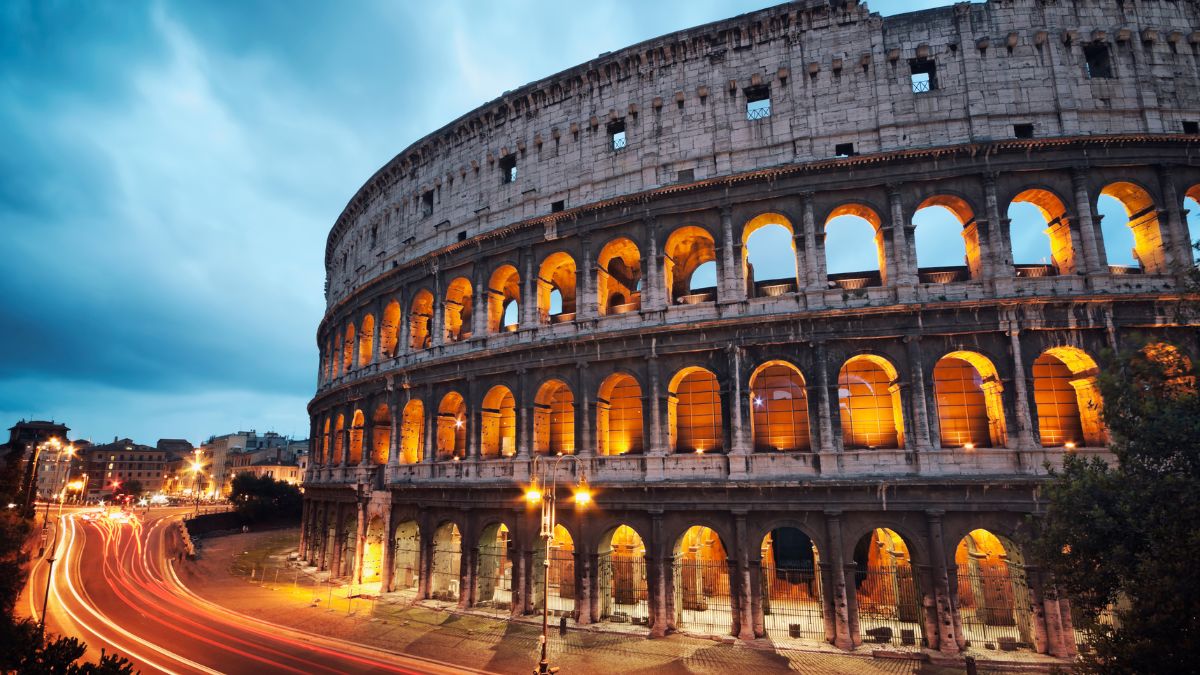
Rome’s ancient ruins, vibrant piazzas, and soulful trattorias make it a city that weaves history with irresistible charm. The best time to visit Rome is spring (April to May) or autumn (September to October), when mild weather, fewer crowds, and vibrant festivals create the perfect setting for exploring. You’ll wander the Colosseum, sip espresso in Trastevere, or toss a coin in the Trevi Fountain with comfortable temperatures and a lively local vibe.
These seasons let you soak in Rome’s timeless allure, from the Pantheon’s grandeur to the Tiber River’s serenity. Whether you’re tasting cacio e pepe or strolling Villa Borghese, spring and autumn make every moment unforgettable. Let’s dive into why these months shine and how to plan your Roman adventure.

Weather That Feels Just Right
From April to May and September to October, Rome enjoys mild weather with temperatures between 15-25°C. You can explore the Roman Forum or bike along the Appian Way without summer’s 32°C heat or winter’s occasional drizzle. The Tiber sparkles, ideal for riverside gelato or aperitivo in Testaccio.
Mornings are crisp, perfect for sunrise at Piazza Navona or visiting St. Peter’s Basilica before the midday warmth. Evenings cool off, great for carbonara dinners in Campo de’ Fiori or sunsets from the Gianicolo Hill.
Unlike July’s sweaty cobblestones or January’s chill, these seasons keep you comfortable for urban adventures. A light scarf or jacket for evening breezes is all you need to roam from ruins to rooftops.
Quieter Paths, Local Soul
Summer and Easter pack Rome’s hotspots—think Vatican Museums or Piazza di Spagna—with tourists, but spring and autumn offer more space. You’ll linger at the Sistine Chapel or Testaccio Market without weaving through crowds. Smaller neighborhoods like Garbatella or Ostiense feel cozy, with locals chatting over pizza bianca or spritz.
The Aventine Hill’s orange gardens and Ostia Antica’s ruins see fewer tour groups, making quiet strolls or archaeological tours more personal. Even popular spots like the Spanish Steps have a relaxed pace, with room to linger.
These months let you tap into Rome’s heart. You might join a bocce game in Prati or browse vintage books at a Monti stall, feeling like you’re part of the city’s rhythm.
Festivals and Cultural Glow
Spring and autumn burst with Roman traditions. April’s Natale di Roma celebrates the city’s founding with gladiator reenactments, fireworks, and artichoke-heavy feasts at the Circus Maximus. September’s Taste of Roma in EUR showcases carbonara, supplì, and local wines from Lazio.
May’s Open House Roma unlocks hidden architectural gems, from modernist villas to ancient aqueducts, paired with tiramisù. October’s Romaeuropa Festival brings contemporary dance, theater, and arancini to venues like the Auditorium Parco della Musica.
Markets brim with zucchini blossoms, figs, and handmade leather goods, and you can join cooking classes in Trastevere or mosaic workshops in Esquilino. These seasons make it easy to dive into Rome’s flavors and heritage.
Nature’s Urban and Countryside Glow
Rome’s green spaces and nearby landscapes shine in these seasons. Spring’s roses bloom in Villa Doria Pamphili, perfect for jogging or sketching by fountains. September’s golden vines light up walks in Parco dell’Appia Antica, ideal for cycling or picnicking near ancient tombs.
Wildlife thrives—gulls soar over the Tiber, easily spotted on boat tours, while lizards dart through Villa Ada in autumn. The Castelli Romani, a short train ride away, are mild for hiking or tasting porchetta in Frascati’s vineyards.
For adventure, try kayaking on the Tiber or paragliding in Tivoli. The mild weather makes every moment—from rooftop terraces in Prati to stargazing in Monte Mario—feel alive and effortless.
Travel Made Smoother
Spring and autumn are kinder on your wallet than peak summer or Christmas. Flights to Fiumicino or Ciampino can be 10-20% cheaper, and accommodations—from hostels in Termini to B&Bs in Trastevere—offer better rates. You’ll find deals on Roma Pass or guided tours, too.
Restaurants serve seasonal dishes like puntarelle salads or chestnut gnocchi at fair prices, and activities like catacomb tours or visits to Palazzo Barberini are less booked up, with more last-minute options. Day trips to Orvieto or Pompeii run smoothly with stable weather.
With milder conditions, you won’t face summer’s crowded metros or winter’s foggy delays. You can focus on savoring Rome’s magic—whether it’s an Aperol spritz in Piazza Venezia or a sunrise over the Palatine Hill—without a hitch.