Best Time to Visit Portugal
As participants in Amazon Associates and other programs, we earn from qualifying purchases. This comes at no additional cost to you. For more details, see our Affiliate Disclosure.
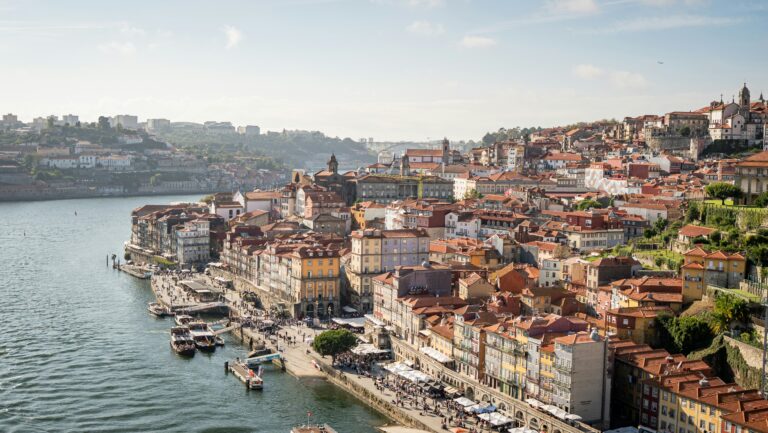
Portugal’s sun-drenched coastlines, historic villages, and vibrant cities make it a destination that radiates warmth and charm. The best time to visit Portugal is spring (March to May) or autumn (September to October), when mild weather, fewer crowds, and lively local life create the perfect setting for exploring. You’ll wander Lisbon’s hilly streets, sip port in the Douro Valley, or surf in Ericeira with comfortable temperatures and golden light.
These seasons let you soak in Portugal’s diverse regions, from the Algarve’s cliffs to Porto’s riverside. Whether you’re tasting pastéis de nata or hiking in Madeira, spring and autumn make every moment unforgettable. Let’s dive into why these months shine and how to plan your Portuguese adventure.

Weather That Feels Perfect
Spring and autumn bring Portugal’s most pleasant weather, with temperatures between 15-24°C across most regions. You can explore Sintra’s fairy-tale palaces or stroll Faro’s old town without summer’s 30°C heat or winter’s occasional rains. Coastal areas like Cascais are warm enough for beach walks, with refreshing Atlantic breezes.
Mornings are crisp, ideal for visiting Belém Tower or hiking in the Peneda-Gerês National Park before the midday sun. Evenings cool off, perfect for seafood dinners in Lagos or fado nights in Coimbra.
Unlike July’s scorching days or January’s wet spells, these seasons keep you comfortable for outdoor adventures. A light sweater is all you need to roam from urban alleys to vineyard trails.
Quieter Paths, Local Soul
Summer packs Portugal’s hotspots—think Lisbon’s Alfama or the Algarve’s beaches—with visitors, but spring and autumn offer more space. You’ll linger at Porto’s Livraria Lello or Óbidos’s medieval walls without weaving through crowds. Smaller towns like Tavira or Amarante feel intimate, with locals chatting over coffee or Vinho Verde.
The Douro Valley’s vineyards and Madeira’s levadas see fewer tour groups, making wine tastings or guided hikes more personal. Even popular spots like Sagres’s cliffs have a relaxed pace, with room to breathe.
These months let you tap into Portugal’s heart. You might join a sardine grill in Setúbal or browse azulejo tiles at a market in Évora, feeling like you’re part of the daily rhythm.
Festivals and Cultural Riches
Spring and autumn burst with Portuguese traditions. April’s Holy Week in Braga fills streets with candlelit processions and flower carpets, a soulful glimpse into local faith. September’s grape harvests in the Douro Valley spark wine festivals, where you can sip red vinho tinto and dance to folk music.
May’s Madeira Flower Festival transforms Funchal with colorful parades and garden displays, while October’s National Gastronomy Festival in Santarém showcases bacalhau and creamy queijadas. Coastal towns host seafood fairs, with fresh octopus and clams.
Markets brim with figs, almonds, and handmade baskets, and you can join cooking classes in Lisbon or pottery workshops in Alentejo. These seasons make it easy to dive into Portugal’s flavors and heritage.
Nature’s Vibrant Glow
Portugal’s landscapes dazzle in spring and autumn. The Algarve’s Benagil Cave and Ria Formosa glow under soft light, perfect for kayaking or boat tours. Spring wildflowers blanket the Alentejo’s plains, while September’s golden vines in Minho invite scenic drives.
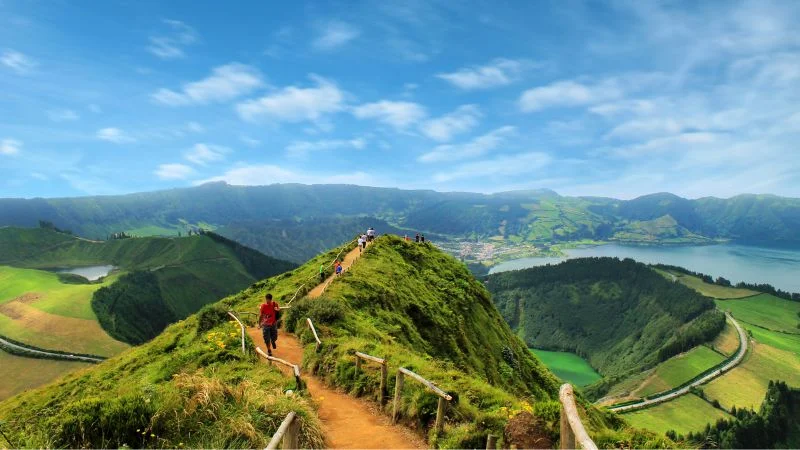
Wildlife thrives—dolphins play off the Azores, easily spotted on whale-watching trips, and storks nest in Silves. The Azores’ volcanic lakes and Madeira’s laurel forests are lush, ideal for hiking or birdwatching.
For adventure, try surfing in Peniche or paragliding in Arrabida. The mild weather makes every outdoor moment—from cycling the Ecovia do Litoral to stargazing in Alqueva—feel alive and effortless.
Travel Made Smoother
Spring and autumn are kinder on your wallet than peak summer. Flights to Lisbon or Porto can be 10-20% cheaper, and accommodations—from guesthouses in Guimarães to apartments in Lagos—offer better rates. You’ll find deals on train passes or guided tours, too.
Restaurants serve seasonal dishes like cataplana or roasted chestnuts at fair prices, and activities like wine tastings in Setúbal or boat trips in the Berlengas are less booked up, with more last-minute options. Day trips to Monsanto or the Azores run smoothly with stable weather.
With mild conditions, you won’t face summer’s crowded beaches or winter’s foggy delays. You can focus on savoring Portugal’s magic—whether it’s a glass of ginjinha in Óbidos or a sunset over the Douro—without a hitch.