Best Time to Visit Peru
As participants in Amazon Associates and other programs, we earn from qualifying purchases. This comes at no additional cost to you. For more details, see our Affiliate Disclosure.
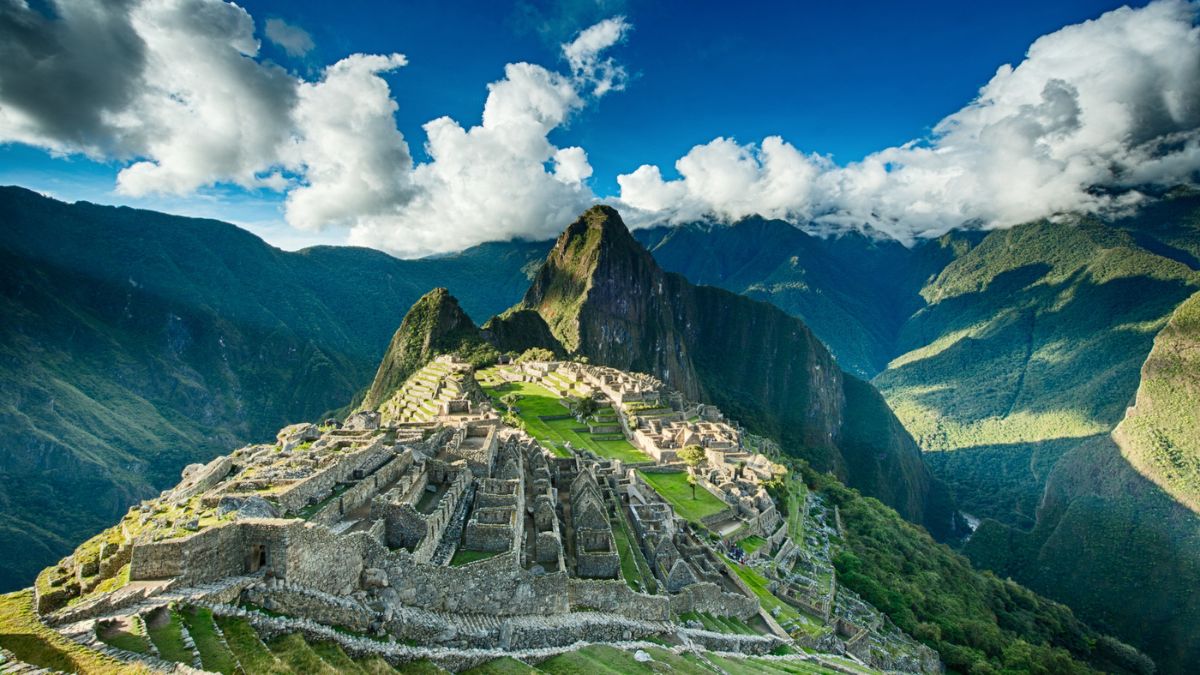
Peru’s ancient ruins, vibrant markets, and Andean peaks make it a destination that weaves history and adventure into every moment. The best time to visit Peru is the dry season (May to September), when clear skies, mild weather, and open trails create perfect conditions for exploring. You’ll hike Machu Picchu’s Inca Trail, wander Cusco’s cobblestone streets, or paddle Lake Titicaca with comfortable temperatures and minimal rain.
This season lets you dive into Peru’s rich culture and diverse landscapes, from the Amazon’s jungles to Lima’s coastal charm. Whether you’re tasting ceviche or marveling at Nazca’s desert lines, the dry season makes every experience unforgettable. Let’s explore why these months shine and how to plan your Peruvian journey.

Weather That Opens the Andes
From May to September, Peru’s dry season brings pleasant weather with temperatures between 15-24°C in the highlands and warmer 25-30°C on the coast. You can trek to Rainbow Mountain or explore Arequipa’s white-stone plazas without the wet season’s mud or summer’s downpours. Coastal Lima is sunny, ideal for seaside strolls in Miraflores.
Mornings are crisp in Cusco or Huaraz, perfect for sunrise at Sacsayhuaman or hiking in the Cordillera Blanca before the midday warmth. Evenings cool off, great for alpaca-shawl shopping in Puno or dining on lomo saltado.
Unlike January’s heavy rains or coastal fog, the dry season keeps trails and roads clear. A light fleece for chilly Andean nights is all you need to roam from ruins to rainforests.
Quieter Trails, Local Soul
The wet season thins crowds, but summer’s peak packs Machu Picchu and Cusco. May and September are less crowded than June-July, giving you space at sites like Ollantaytambo or the Uros Islands. Smaller towns like Pisac or Chachapoyas feel intimate, with locals sharing stories over coca tea.
Markets in Urubamba and jungle lodges in Puerto Maldonado have a relaxed pace, so you can haggle for textiles or book a canopy tour without a rush. Even popular train rides to Aguas Calientes feel less hectic.
This season lets you tap into Peru’s heart. You might join a quinoa harvest in the Sacred Valley or chat with weavers in Chinchero, feeling the warmth of Andean hospitality.
Festivals and Cultural Riches
The dry season bursts with Peruvian traditions. June’s Inti Raymi in Cusco recreates Inca sun worship with vibrant processions, music, and dances, drawing locals and visitors to Sacsayhuaman. August’s Virgen de la Asunción in Huancavelica fills streets with folk costumes and feasts.
May’s Qoyllur Rit’i pilgrimage blends Andean and Catholic rituals with starry treks to glacial peaks. Smaller events, like potato festivals in Huancayo or cacao fairs in Quillabamba, showcase fresh ceviche and pisco sours.
Markets brim with mangoes, quinoa, and alpaca wool, and you can join cooking classes in Arequipa or pottery workshops in Chulucanas. The dry season makes it easy to dive into Peru’s flavors and heritage.
Nature’s Andean Glow
Peru’s landscapes dazzle in the dry season. The Inca Trail and Colca Canyon are clear and vibrant, perfect for hiking or spotting condors soaring above cliffs. Lake Titicaca’s waters sparkle, ideal for kayaking to Taquile Island or exploring Amantani’s terraces.
Wildlife thrives—Amazon pink dolphins swim in the Pacaya-Samiria Reserve, easily seen on boat tours, while vicuñas graze in Pampa Galeras. Paracas’ marine life, like sea lions and Humboldt penguins, thrives for coastal cruises.
For adventure, try sandboarding in Huacachina or paragliding in Lima. The stable weather makes every moment—from Amazon jungle treks to stargazing in the Atacama—feel alive and effortless.
Travel Made Smoother
The dry season is Peru’s peak, but booking early scores deals on flights to Lima or Cusco, and accommodations—from hostels in Miraflores to lodges in the Sacred Valley—offer more options outside July. Train tickets to Machu Picchu and jungle tours are easier to arrange.
Restaurants serve seasonal dishes like anticuchos or ají de gallina at fair prices, and activities like rafting in the Apurimac or hot air ballooning over Nazca have flexible bookings in May or September. Day trips to Huacachina or Kuélap run smoothly with no rain delays.
The clear weather means no muddy trails or canceled flights. You can focus on savoring Peru’s magic—whether it’s a pisco sour in Barranco or a sunset over the Moche pyramids—without a hitch.