Best Time to Visit Malaysia
As participants in Amazon Associates and other programs, we earn from qualifying purchases. This comes at no additional cost to you. For more details, see our Affiliate Disclosure.
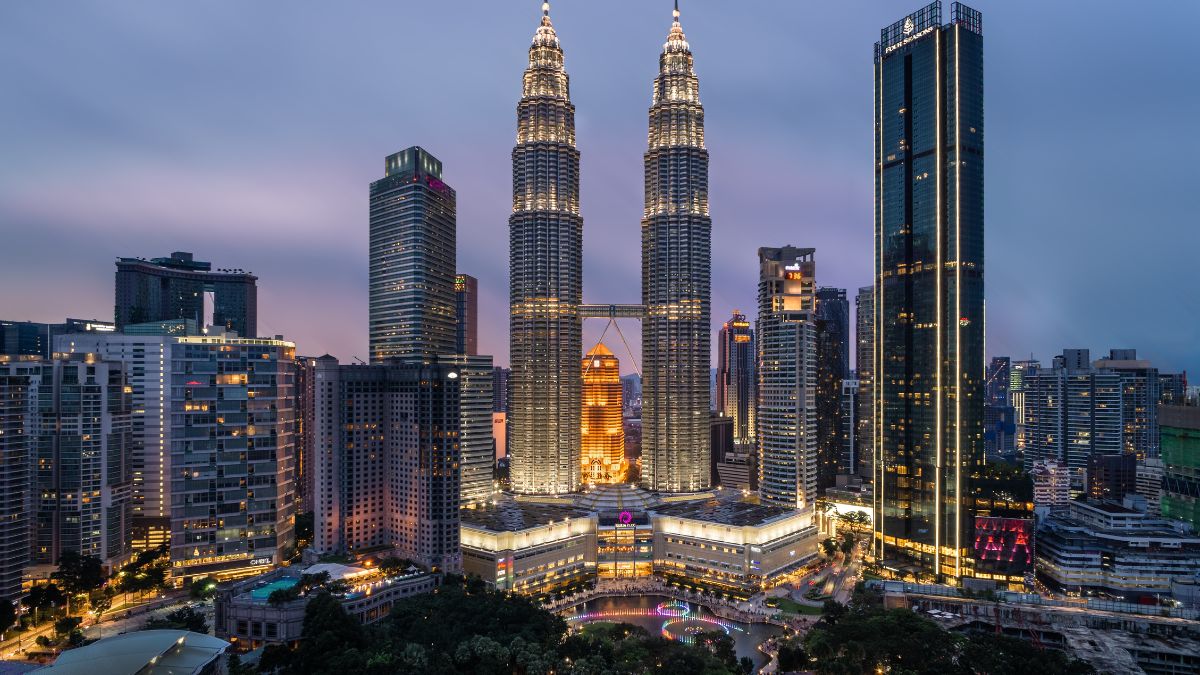
Malaysia’s lush rainforests, vibrant cities, and pristine beaches make it a Southeast Asian gem that blends cultural richness with natural beauty. The best time to visit Malaysia is late autumn (October to November) or early spring (March to April), when milder weather, fewer rain showers, and lively festivals create the perfect setting for exploring. You’ll wander Kuala Lumpur’s Petronas Towers, savor laksa in Penang, or snorkel in Sipadan with comfortable temperatures and a dynamic local vibe.
These seasons let you soak in Malaysia’s diverse allure, from Malacca’s colonial heritage to Borneo’s orangutan sanctuaries. Whether you’re tasting roti canai or hiking Kinabalu, late autumn and early spring make every moment unforgettable. Let’s dive into why these months shine and how to plan your Malaysia adventure.

Weather That Feels Just Right
From October to November and March to April, Malaysia enjoys milder weather with temperatures between 24-32°C and less intense rainfall than the monsoon season. You can explore Georgetown’s street art or trek Taman Negara without peak rainy season’s downpours or summer’s sticky humidity. Coastal breezes keep islands like Langkawi refreshing, ideal for beach lounging or sunset cocktails.
Mornings are warm, perfect for sunrise at Batu Caves or visiting Kota Kinabalu’s floating mosque before the midday heat. Evenings cool slightly, great for satay in Melaka or sunsets from Mount Santubong.
Unlike December’s heavy rains or June’s haze, these seasons keep you comfortable across urban and jungle adventures. A light umbrella or cover-up for brief showers is all you need to roam from cities to coral reefs.
Quieter Paths, Local Soul
Monsoon season and major holidays pack Malaysia’s hotspots—think Cameron Highlands or Perhentian Islands—with tourists, but October, November, March, and April offer more space. You’ll linger at Kuching’s Sarawak River or Ipoh’s cave temples without weaving through crowds. Smaller towns like Teluk Intan or Sandakan feel intimate, with locals sharing stories over teh tarik or kuih.
The Kinabatangan River and Langkawi’s mangroves see fewer tour groups, making wildlife cruises or kayaking more personal. Even popular spots like Penang’s Kek Lok Si Temple have a calmer pace, with room to explore.
These months let you tap into Malaysia’s heart. You might join a Nyonya cooking demo in Malacca or browse handwoven rattan at a Kota Bharu market, feeling like you’re part of the country’s rhythm.
Festivals and Cultural Fire
Late autumn and early spring burst with Malaysian traditions. November’s Deepavali illuminates Little India in Kuala Lumpur with kolam designs, murukku, and Tamil music. March’s Penang Hot Air Balloon Fiesta fills Tanjung Bungah with colorful floats, char kway teow, and local crafts.
October’s Rainforest World Music Festival in Kuching blends global rhythms, grilled fish, and rice wine in Borneo’s jungle. April’s Wesak Day fills temples like Johor Bahru’s Arulmigu Sri Rajakaliamman with candlelit processions, vegetarian nasi lemak, and lotus lanterns.
Markets brim with mangosteen, starfruit, and handcrafted batik, and you can join cooking classes in Penang or orang asli craft workshops in Pahang. These seasons make it easy to dive into Malaysia’s flavors and heritage.
Nature’s Tropical and Highland Glow
Malaysia’s landscapes dazzle in these seasons. Spring’s orchids bloom in Kinabalu Park, perfect for hiking to Low’s Peak or sketching by rafflesia blooms. October’s clear waters light up Tioman Island’s reefs, ideal for diving with turtles or picnicking on Redang’s beaches.
Wildlife thrives—proboscis monkeys swing along the Kinabatangan, visible on river safaris, while hornbills soar over Danum Valley in autumn. Orangutans munch in Sepilok, and fireflies glow in Kuala Selangor, thrilling for night tours.
For adventure, try whitewater rafting in Sungai Kampar or caving in Mulu National Park. The milder weather makes every moment—from tea plantations in Cameron Highlands to stargazing in Mersing—feel alive and effortless.
Travel Made Smoother
Late autumn and early spring are kinder on your wallet than peak winter or rainy season holidays. Flights to Kuala Lumpur, Penang, or Kota Kinabalu can be 10-20% cheaper, and accommodations—from hostels in Georgetown to resorts in Langkawi—offer better rates. You’ll find deals on bus tickets or guided tours, too.
Restaurants serve seasonal dishes like asam pedas or durian cendol at fair prices, and activities like canopy walks in FRIM or visits to the Petrosains Science Centre are less booked up, with more last-minute options. Day trips to Malacca or Bako National Park run smoothly with stable weather.
With milder conditions, you won’t face monsoon floods or winter’s crowded ferries. You can focus on savoring Malaysia’s magic—whether it’s a kopi at a Ipoh hawker stall or a sunrise over Mount Kinabalu—without a hitch.