Best Time to Visit Delhi

As participants in Amazon Associates and other programs, we earn from qualifying purchases. This comes at no additional cost to you. For more details, see our Affiliate Disclosure.
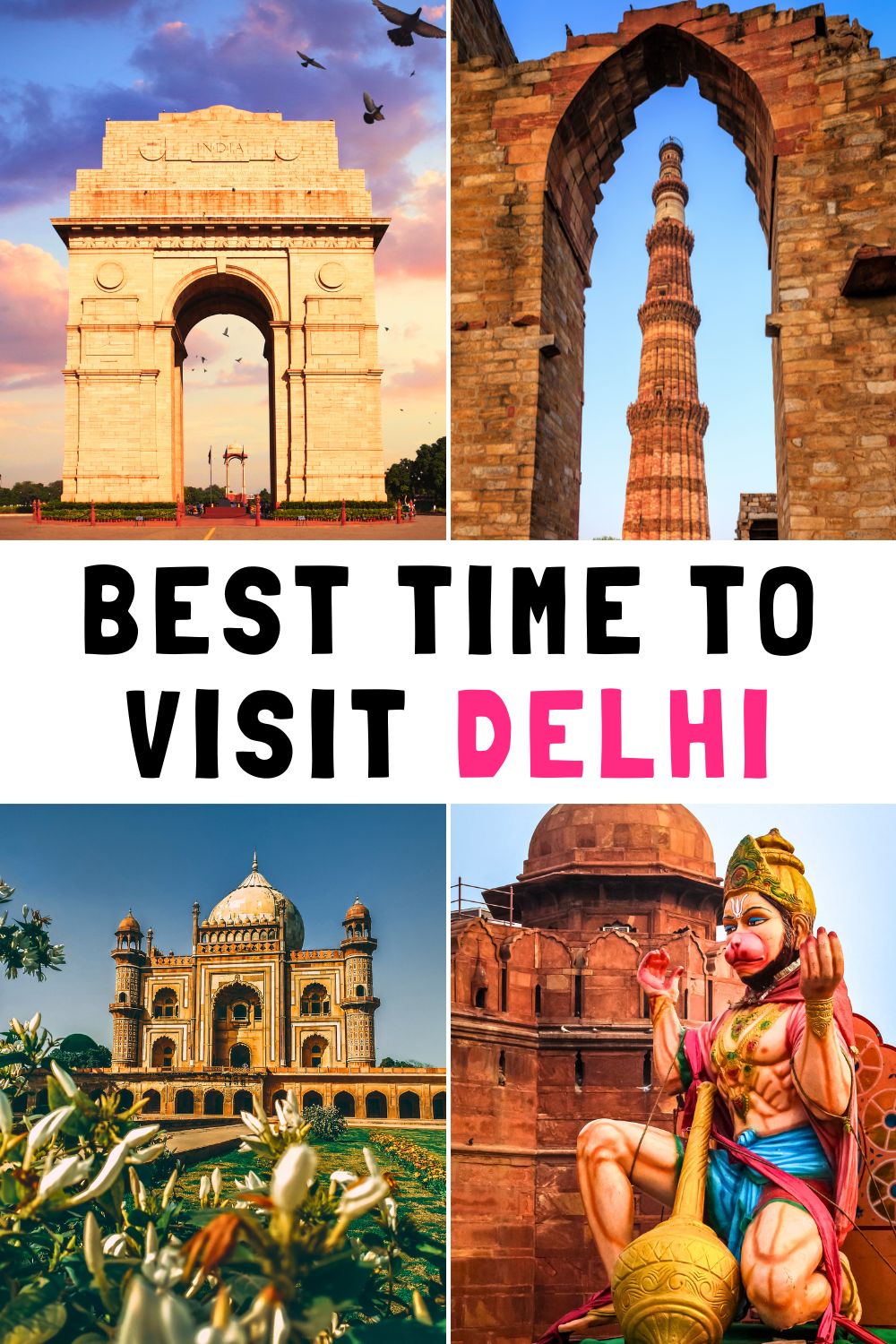
Delhi’s grand monuments, bustling bazaars, and vibrant culinary scene make it a city that weaves history with pulsating energy. The best time to visit Delhi is late autumn (October to November) or early winter (February to March), when cooler weather, clear skies, and festive events create the perfect setting for exploring. You’ll wander Red Fort, savor butter chicken in Chandni Chowk, or stroll Lodhi Gardens with comfortable temperatures and a lively local vibe.
These seasons let you soak in Delhi’s rich tapestry, from Humayun’s Tomb’s Mughal splendor to Hauz Khas’s trendy cafés. Whether you’re tasting chaat or browsing Dilli Haat’s crafts, late autumn and early winter make every moment unforgettable. Let’s dive into why these months shine and how to plan your Delhi adventure.
Weather That Feels Just Right
From October to November and February to March, Delhi enjoys cooler, pleasant weather with temperatures between 15-28°C. You can explore Qutub Minar or shop in Sarojini Nagar without summer’s 40°C heat or monsoon’s heavy rains. Breezes keep parks like Nehru Park refreshing, ideal for morning yoga or rooftop dining.
Mornings are crisp, perfect for sunrise at India Gate or visiting Jama Masjid before the midday warmth. Evenings cool off, great for kebabs in Nizamuddin or starlit views from Connaught Place.
Unlike July’s downpours or May’s scorching days, these seasons keep you comfortable for urban adventures. A light shawl or jacket for evening chills is all you need to roam from forts to food stalls.
Quieter Paths, Local Soul
Monsoon and peak winter pack Delhi’s hotspots—think Lotus Temple or Akshardham—with tourists, but October, November, February, and March offer more space. You’ll linger at Safdarjung Tomb or Khan Market’s bookstores without weaving through crowds. Smaller neighborhoods like Shahpur Jat or CR Park feel vibrant yet relaxed, with locals chatting over masala chai or momos.
The Garden of Five Senses and Old Delhi’s havelis see fewer tour groups, making heritage walks or street food tours more personal. Even popular spots like Raj Ghat have a calmer pace, with room to reflect.
These months let you tap into Delhi’s heart. You might join a qawwali session at Hazrat Nizamuddin Dargah or browse handwoven shawls at a Lajpat Nagar stall, feeling like you’re part of the city’s rhythm.
Festivals and Cultural Fire
Late autumn and early winter burst with Delhi’s traditions. November’s Diwali lights up Karol Bagh with diyas, rangoli, and kaju katli sweets, celebrating the festival of lights. February’s Surajkund Mela in nearby Faridabad showcases folk dances, pottery, and aloo parathas.
October’s Qutub Festival brings Sufi music, kathak, and biryani to Qutub Minar’s lawns. March’s Holi fills Mathura (a day trip away) with color throws, gujiya, and bhang lassi, spilling into Delhi’s streets.
Markets brim with mangoes, guavas, and handcrafted jootis, and you can join cooking classes in Pahar Ganj or block-printing workshops in South Extension. These seasons make it easy to dive into Delhi’s flavors and heritage.
Nature’s Urban and Riverside Glow
Delhi’s green spaces and nearby escapes shine in these seasons. Winter’s roses bloom in Sunder Nursery, perfect for picnicking or sketching by Mughal pavilions. October’s clear skies highlight Okhla Bird Sanctuary, ideal for spotting kingfishers or cycling along the Yamuna.
Wildlife thrives—peacocks strut in Deer Park, easily seen on morning walks, while migratory birds flock to Sultanpur Bird Sanctuary in autumn. The Aravalli hills, a short drive to Damdama Lake, are mild for kayaking or rock climbing.
For adventure, try paragliding in Gurgaon or boating on Bhalswa Lake. The cooler weather makes every moment—from rooftop terraces in GK II to stargazing in Asola Bhatti—feel alive and effortless.
Travel Made Smoother
Late autumn and early winter are kinder on your wallet than peak monsoon or summer holidays. Flights to Indira Gandhi International can be 10-20% cheaper, and accommodations—from hostels in Hauz Khas to hotels in Aerocity—offer better rates. You’ll find deals on metro passes or guided tours, too.
Restaurants serve seasonal dishes like sarson da saag or gajar halwa at fair prices, and activities like rickshaw rides in Old Delhi or visits to the National Museum are less booked up, with more last-minute options. Day trips to Agra or Jaipur run smoothly with stable weather.
With milder conditions, you won’t face monsoon’s flooded streets or summer’s sweaty crowds. You can focus on savoring Delhi’s magic—whether it’s a kulfi at India Gate or a sunrise over the Lotus Temple—without a hitch.