BBC Names 20 Top Travel Destinations for 2026

As participants in Amazon Associates and other programs, we earn from qualifying purchases. This comes at no additional cost to you. For more details, see our Affiliate Disclosure.
A curated list spotlights emerging hotspots poised to redefine global itineraries, blending cultural revivals, sustainable innovations, and untapped natural wonders. From desert metropolises to remote archipelagos, these selections prioritize accessibility enhancements and community-led preservation amid rising overtourism concerns. Experts forecast a shift toward mindful exploration, with 70 percent of nominees emphasizing eco-certifications and local artisan integrations.
Abu Dhabi leads with its Saadiyat Cultural District transformation, unveiling TeamLab Phenomena as the world’s largest digital art museum alongside the Zayed National Museum housing 10,000 artifacts on UAE history. Warner Bros. World expands its Harry Potter zone, while Yas Waterworld adds 15 new slides; a Disneyland outpost breaks ground on Yas Island by mid-year. Direct flights from 50 cities now connect via Etihad’s expanded routes, supporting 12 million projected visitors.
Algeria’s resurgence features visa-on-arrival for organized tours, targeting 12 million arrivals by 2030 through artisan grants for 460,000 craftspeople. Unesco sites like Constantine’s Ottoman bridges and Timgad’s intact Roman amphitheater draw parallels to Pompeii without the crowds; Air Algérie’s new subsidiary doubles Saharan flights to Djanet oasis. Travelers access Phoenician souks in Algiers via high-speed ferries, with desert camps incorporating solar-powered Bedouin tents.
Colchagua Valley in Chile celebrates its Wine Route’s 30th anniversary with 50 vineyards open for harvest tours, including Vik Winery, ranked world’s best in 2025. Gaucho rodeos at Santa Cruz fairs pair with stargazing at Cerro Chaman Observatory’s 14-inch telescopes; Clos Apalta’s 17 mountainside villas offer private tastings. Multi-day circuits from Santiago span 200 kilometers, linking haciendas like Viu Manent with Fu ego de Apalta’s fire-roasted lamb feasts.
Cook Islands’ upgraded Hawaiian Airlines service from Honolulu triples weekly flights, unlocking Rarotonga’s 32-kilometer coastal track amid blue lagoons and 15 islands. Aitutaki’s overwater bungalows host barefoot luxury, while Marae Moana marine park bans deep-sea mining until 2032, preserving manta ray migrations. Jetstar’s Brisbane route adds 5,000 seats monthly; Maungaroa Valley’s Unesco-tentative rainforests guide eco-hikes with Polynesian navigation demos.
Costa Rica bolsters its jaguar corridor across 25 percent of territory, with Corcovado National Park’s new trails tracking 500 resident cats via camera traps. Blue Osa Yoga Retreat integrates turtle nesting programs, drawing 20,000 wellness seekers; solar resorts like Lamangata power 80 percent of operations. Direct Aeromexico flights to Puerto Jiménez cut transit times by 40 percent, enabling bioluminescent kayak tours in mangroves.
Hebrides in Scotland amplify whisky heritage with Islay’s Laggan Bay distillery releasing its first single malt and Portintruan’s Ardbeg House renovations. Calanais Standing Stones’ visitor center hosts solstice alignments for 5,000 annually; Barra’s tidal runway airport schedules 12 daily charters. Fèis Ìle festival in May features 10 distillery crawls, while Kisimul Castle’s restored ramparts overlook white-sand beaches.
Ishikawa, Japan, rebuilds post-2024 earthquake with Kanazawa’s Kenrokuen garden illuminating 11,000 controlled trees and gold-leaf workshops producing 100,000 sheets daily. Noto’s Don’t Stop the Sake project revives 50 breweries, offering rice-planting immersions at Shiroyone Senmaida’s 1,000 terraced fields. Bullet train extensions from Tokyo reach in two hours; Wajima-nuri lacquerware markets support 200 artisans through tourism levies.
Komodo Islands mark 45th anniversary as Unesco park with visitor caps at 45,000 annually, channeling fees into dragon habitat patrols across 1,700 square kilometers. Pink-sand beaches on Rinca island host manta ray snorkels; Labuan Bajo’s direct Garuda flights from Jakarta add 20 weekly services. Phinisi schooners sail eco-lodges, enforcing plastic-free zones and coral restoration dives.
Loreto in Baja California Sur designates two new national parks spanning 500,000 hectares for whale migrations and sea lion rookeries. Kayak expeditions trace 200 kilometers of canyons in Nopoló; former fishermen guide communal seafood suppers at 10 eco-camps. Aeromexico’s expanded routes from Mexico City boost arrivals by 30 percent, aligning with coastal clean-up mandates.
Montenegro’s Bay of Kotor, a Unesco fjord, restores 15 Venetian fortresses for 20th anniversary hikes along 80 kilometers of trails. Prokletije mountains’ Peaks of the Balkans path crosses three borders, hosting 2,000 trekkers; Lake Skadar’s bird reserve logs 270 species. Cetinje’s monastic libraries open rare manuscripts, with sustainable buses linking to highland villages.
Oregon Coast enhances 370-mile shoreline accessibility with Portland shuttles serving 50,000 riders seasonally and 200 EV chargers at lighthouses. Wheel the World’s sand wheelchairs navigate Cannon Beach dunes; Mobi-Mats bridge tide pools for 10,000 visitors. Redwoods host bioluminescent fungi tours, while local co-ops supply 70 percent of seafood at inclusive lodges.
Oulu, Finland, as 2026 European Capital of Culture launches Arctic Food Lab tastings from 50 foraged ingredients and Climate Clock installations tracking ice melt. 300 events span islands with 100 saunas; winter bike paths groom 200 kilometers. Mindful travel packages include northern lights aurora forecasts via apps.
Philadelphia gears for US 250th with 52 Weeks of Firsts events across 100 neighborhoods, featuring Universal Theme Parks exhibit on 50 cinematic histories. FIFA World Cup qualifiers draw 500,000; Mural Arts funds 200 community workshops. RockyFest recreates 20 film sites, with free tactile tours for 15,000.
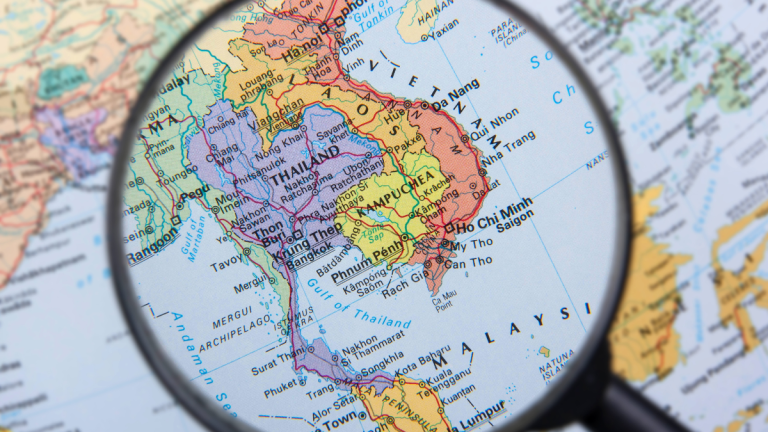
Phnom Penh’s Techo International Airport opens with 30 million capacity, routing Emirates and Turkish Airlines for 50 new connections. Chaktomuk Walk Street revives 1920s modernist cafes; 500 electric tuk-tuks cut emissions by 40 percent. Gen Z distilleries produce rice vodka, blending with Unesco-listed Royal Palace circuits.
Guimarães, Portugal, as 2026 European Green Capital electrifies 80 buses across medieval core, linking Citânia de Briteiros’ Iron Age ruins to 25 green oases. Unesco’s 25th status funds palace restorations; university-led tango fusions host 10,000 at festivals.
Samburu, Kenya, spotlights Samburu Special Five via rhino tracking in Ewaso Nyiro reserve, with Basecamp’s new camp housing 20 guests. Soroi’s star beds under 300 clear nights fuel astrotourism; reforestation plants 50,000 trees annually.
Santo Domingo hosts Central American Games with Zona Colonial’s 500 renovated facades and merengue festivals drawing 100,000. Hyatt Place adds 200 rooms; helicopter transfers reach Samaná beaches in 20 minutes.
Slocan Valley’s 60-kilometer Japanese Canadian Legacy Trail maps 50 internment sites, with museums exhibiting 1,000 artifacts. Hot springs and shinrin-yoku forests guide 5,000 hikers; farm-to-table cafes source 90 percent locally.
Uluru’s Handback 40th introduces 54-kilometer Signature Walk with Anangu-led eco-camps for 2,000 overnight treks. Wintjiri Wiru drones narrate 10,000-year stories; Field of Light expands to 72,000 stems, returning 80 percent revenue to communities.
Uruguay sustains 98 percent renewable grid, with Montevideo’s 40-day carnival hosting 1 million and Colonia’s colonial ports sailing pampas ranches. Cabo Polonio dunes shelter sea lions; Uruguayans by Nature campaign directs 20 percent fees to eco-projects.