Bangladesh Suspends Select Visa Services While Sri Lanka and Nepal Target Indian Tourists
As participants in Amazon Associates and other programs, we earn from qualifying purchases. This comes at no additional cost to you. For more details, see our Affiliate Disclosure.
Diplomatic strains prompt Bangladesh to halt certain visa processing for Indian applicants. Neighboring countries seize the opportunity to attract redirected travel flows. Indian outbound tourism patterns shift amid these regional developments.
Bangladesh authorities have temporarily suspended visa services at diplomatic missions in New Delhi, Kolkata, and Agartala. The measure stems from security concerns tied to political unrest. Missions in Mumbai and Chennai maintain operations without interruption. Business and work visas remain unaffected by the suspension.
The decision follows violent public movements in July and August 2024 that resulted in the ouster of former Prime Minister Sheikh Hasina. Diplomatic relations between Bangladesh and India have faced strains since that period. India previously imposed limitations on visas for Bangladeshi nationals in response.
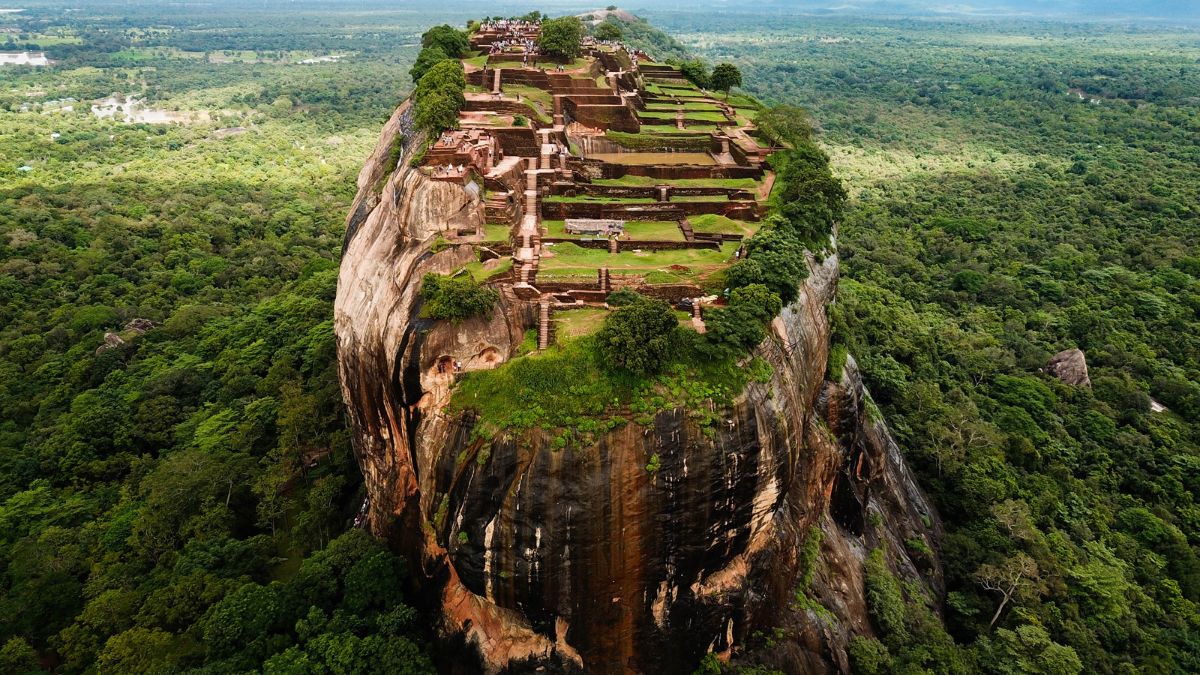
Sri Lanka positions itself as a prime alternative for Indian travelers. India represents the largest source market for Sri Lankan tourism. In 2025, 531,511 Indian visitors arrived, accounting for 22.3% of total inbound traffic.
The Sri Lanka Tourism Promotion Bureau conducted awareness sessions in New Delhi, Mumbai, and Chennai last week. These events emphasized readiness to accommodate Indian visitors. The bureau strengthened connections with Indian travel trade and media representatives.
In September 2025, Sri Lanka initiated its first dedicated wedding-focused campaign targeting the Indian market. The effort aims to establish the country as a venue for large-scale Indian weddings. Sri Lanka Tourism Promotion Bureau Chairman Buddhika Hewawasam noted, “The average Indian tourist spends around $170-180 per day in Sri Lanka. With wedding groups, that figure doubles.”
Nepal emerges as another competitor for Indian outbound tourism. The country focuses on meetings, incentives, conferences, and exhibitions segments. Nepal also promotes itself for wedding destinations among Indian clients.
India’s significance as a source market underpins Nepal’s strategic push. Enhanced marketing targets high-value Indian groups. Infrastructure developments support increased capacity for such events.
Regional visa policies influence Indian travel decisions increasingly. Suspended services in Bangladesh redirect inquiries to accessible alternatives. Sri Lanka and Nepal report rising interest from Indian tour operators.
Tourism boards in both countries deploy targeted promotions to capture market share. Digital campaigns highlight visa-on-arrival facilities and cultural affinities. Airline connectivity expansions facilitate easier access from major Indian cities.
The shifts reflect broader geopolitical impacts on South Asian tourism. Indian travelers prioritize destinations with streamlined entry processes. Economic contributions from Indian visitors drive competitive strategies among neighbors.
Outbound Indian tourism continues robust growth trajectories. Diversified options emerge as traditional routes face disruptions. Stakeholders monitor diplomatic resolutions for potential service resumptions.