
Bali Governor Advances Legislation to Outlaw Private Beaches and Protect Religious Rites
As participants in Amazon Associates and other programs, we earn from qualifying purchases. This comes at no additional cost to you. For more details, see our Affiliate Disclosure.
Travelers booking exclusive beachfront villas in Bali may soon find their private slice of paradise is no longer legally private. Governor I Wayan Koster has submitted a draft regulation to the Bali Regional Legislative Council (DPRD) aimed at strictly prohibiting hotels, beach clubs, and resorts from privatizing any section of the coastline. The move comes in response to escalating complaints from local residents who have been barred from entering beach areas claimed by commercial properties, despite the shoreline legally falling under public domain.
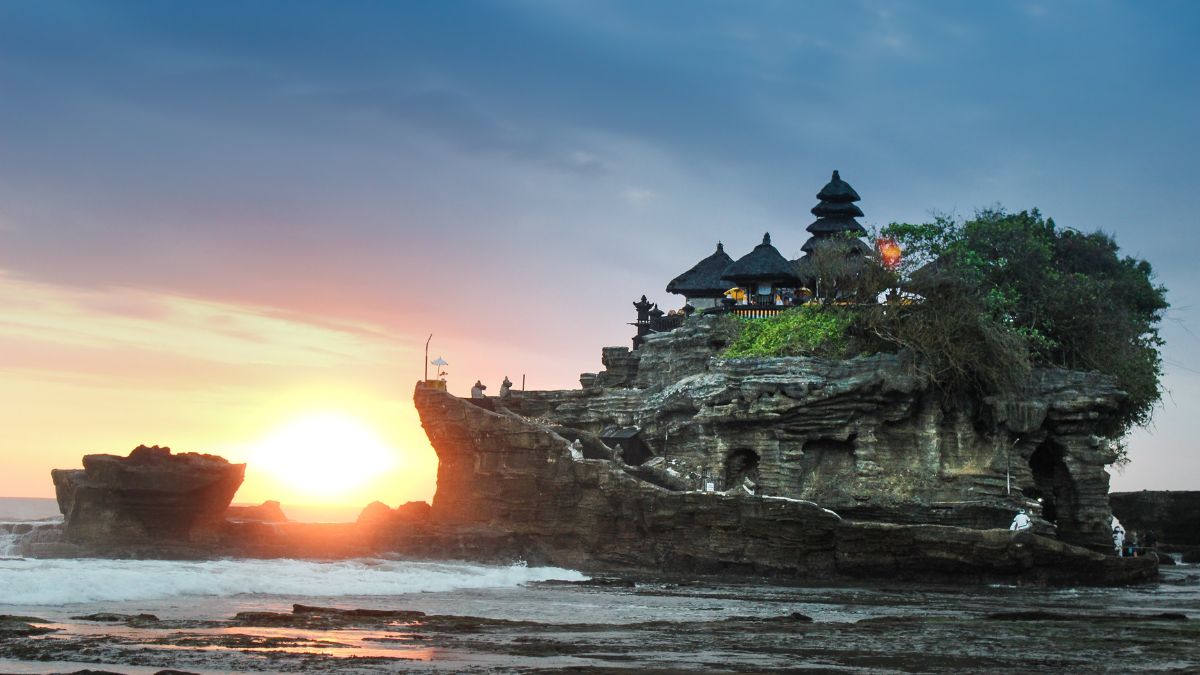
The crackdown addresses a critical cultural conflict between the island’s booming luxury tourism sector and Balinese Hindu traditions. Koster emphasized that commercial developments have increasingly obstructed access for essential religious rituals, specifically Segara Kerthi, a purification ceremony, and Pakelem, which involves casting sacrificial offerings into the sea. Under the proposed rules, security guards at high-end resorts will no longer have the authority to turn away locals or non-guest tourists attempting to access the water through or near these properties.
Governor Koster delivered a sharp rebuke to the hospitality industry during the proposal’s introduction, criticizing investors who behave as if they own the ocean. He noted that while businesses hold titles to the land adjacent to the coast, that ownership does not extend to the beach itself or the water, which remain state assets. The administration aims to fast-track this regulation, with the goal of ratifying it before the end of 2025 to halt the displacement of community activities.
This legislative shift is the latest in a series of aggressive measures designed to rebalance Bali’s tourism ecosystem, following the recent implementation of a tourist entry tax and stricter bans on foreign travelers renting motorbikes. For the visiting tourist, the “private beach” selling point often advertised by five-star establishments will likely become obsolete, replaced by a shared shoreline that prioritizes the island’s spiritual heritage over commercial exclusivity.