10 Breathtaking European Hiking Towns Without Gear
As participants in Amazon Associates and other programs, we earn from qualifying purchases. This comes at no additional cost to you. For more details, see our Affiliate Disclosure.
Europe’s mountain villages have long carried an intimidating reputation — the kind that makes casual travelers assume hiking requires expensive equipment, elite fitness, and a seasoned guide on speed dial. That assumption has quietly kept millions of curious wanderers from experiencing some of the continent’s most spectacular landscapes on foot.
The truth is that the best European hiking towns are increasingly designed for accessibility, cultural immersion, and low-barrier exploration — not just hardcore alpinists. From the Carpathians to the Adriatic coast, these 10 destinations prove that breathtaking trails and charming town bases are more attainable than the outdoor industry wants you to believe.
1. Interlaken, Switzerland: Alpine Gateway for Accessible Mountain Exploration
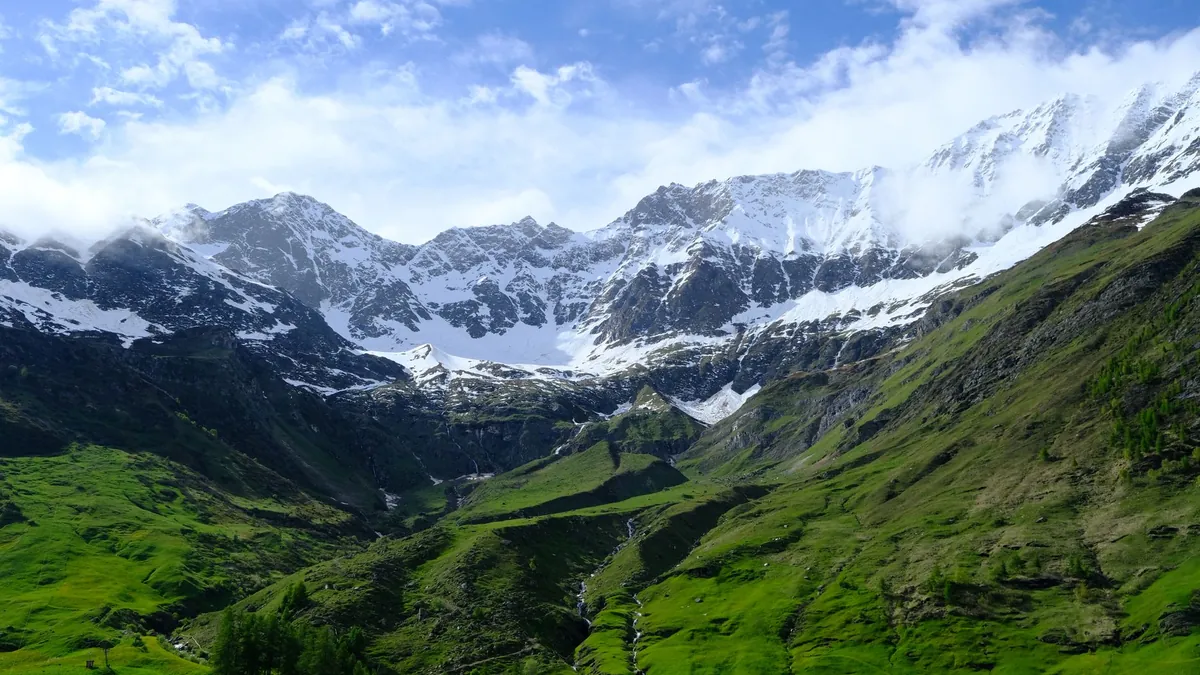
Interlaken sits between 2 glacial lakes and serves as the nerve center for Switzerland’s Bernese Oberland trail network, offering well-groomed valley paths that require zero technical gear. Rental shops throughout town mean visitors can equip themselves locally for under 30 francs per day. Its flat lakeside promenades are genuinely welcoming to most mobility levels.
- Key Reality: Valley floor trails stay accessible year-round, with elevation gain options scalable from 50 to 1,200 meters depending on fitness.
2. Hallstatt, Austria: Lakeside Town with Gentle Waterfront and Forest Trails
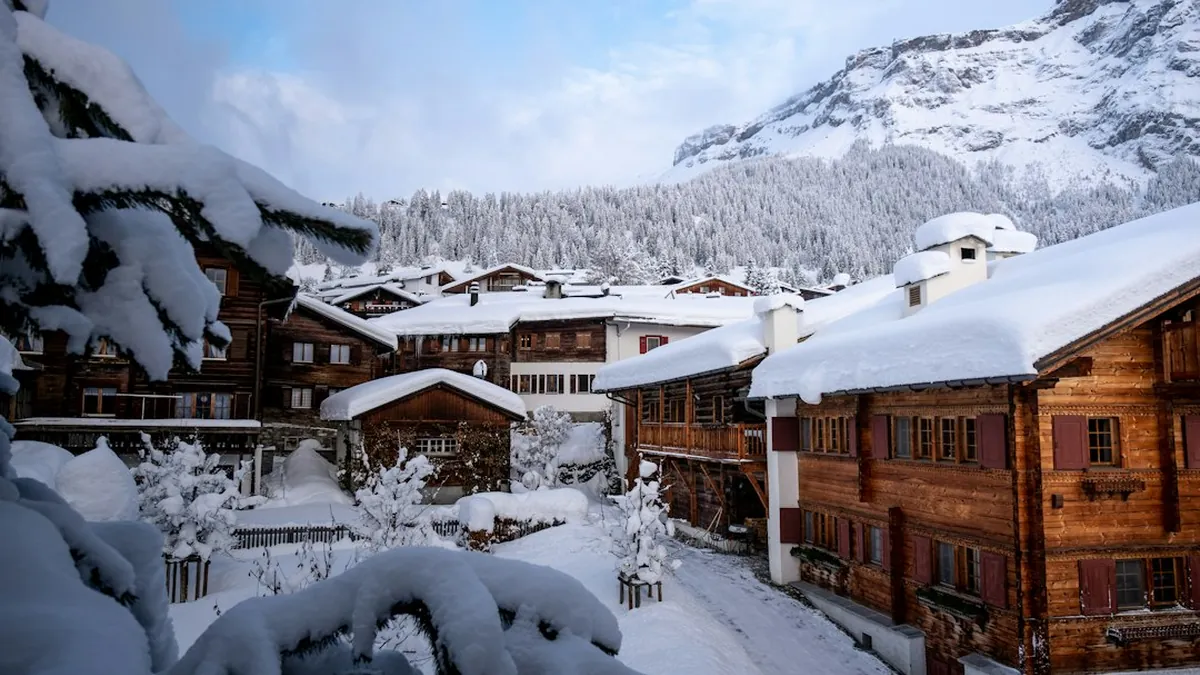
Hallstatt’s UNESCO-listed waterfront is ringed by forested slopes threaded with gentle, well-signed trails that rarely demand more than sturdy sneakers. The town itself is compact enough to explore entirely on foot in under 2 hours. If you love fairytale towns in Austria during autumn, Hallstatt’s amber-lit forest paths are an unmissable seasonal reward.
- Key Reality: The Echern Valley trail gains just 200 meters over 4 kilometers — ideal for first-time hikers.
3. Bansko, Bulgaria: Rhodope Mountain Base with Well-Marked Beginner Routes
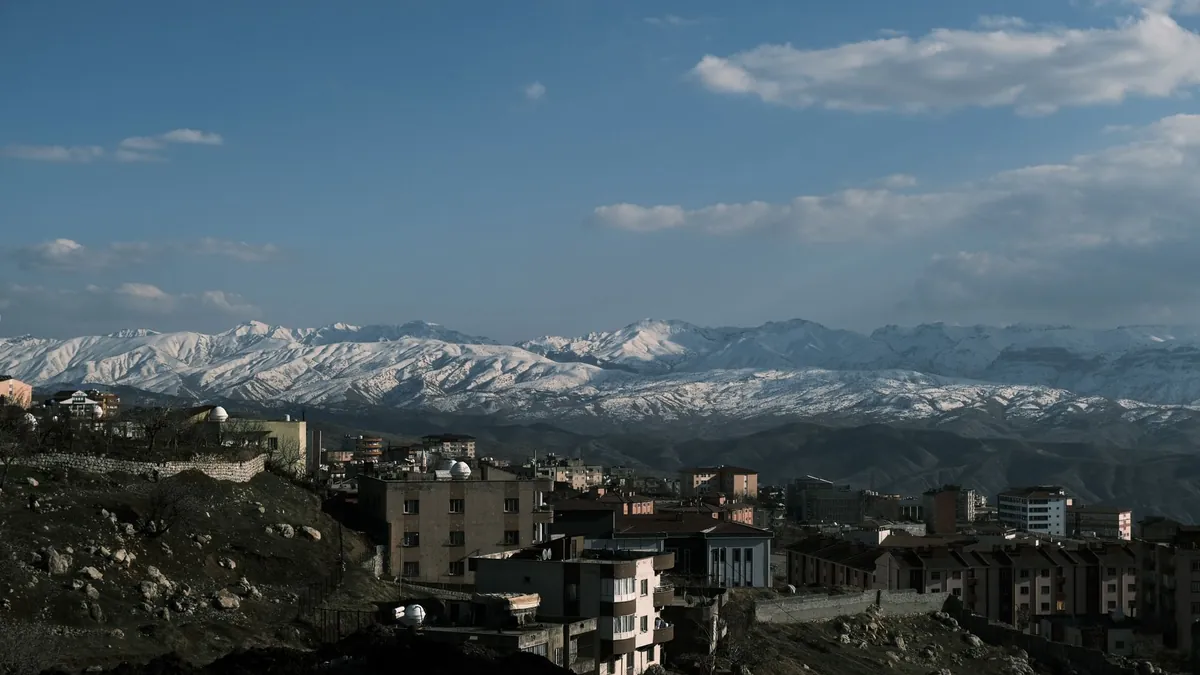
Bansko is one of Europe’s most underrated mountain towns, offering Pirin National Park access at a fraction of Alpine price points — trail fees are effectively 0 dollars for most routes. Signage is clear, distances are honest, and the town’s cobblestone old quarter rewards post-hike recovery beautifully. Budget travelers consistently rank it among the most rewarding hidden gems of Europe.
- Key Reality: Gondola access reduces elevation effort significantly, with the upper station sitting at 1,600 meters.
4. Chamonix, France: Mont Blanc Region Hub Offering Varied Elevation Options
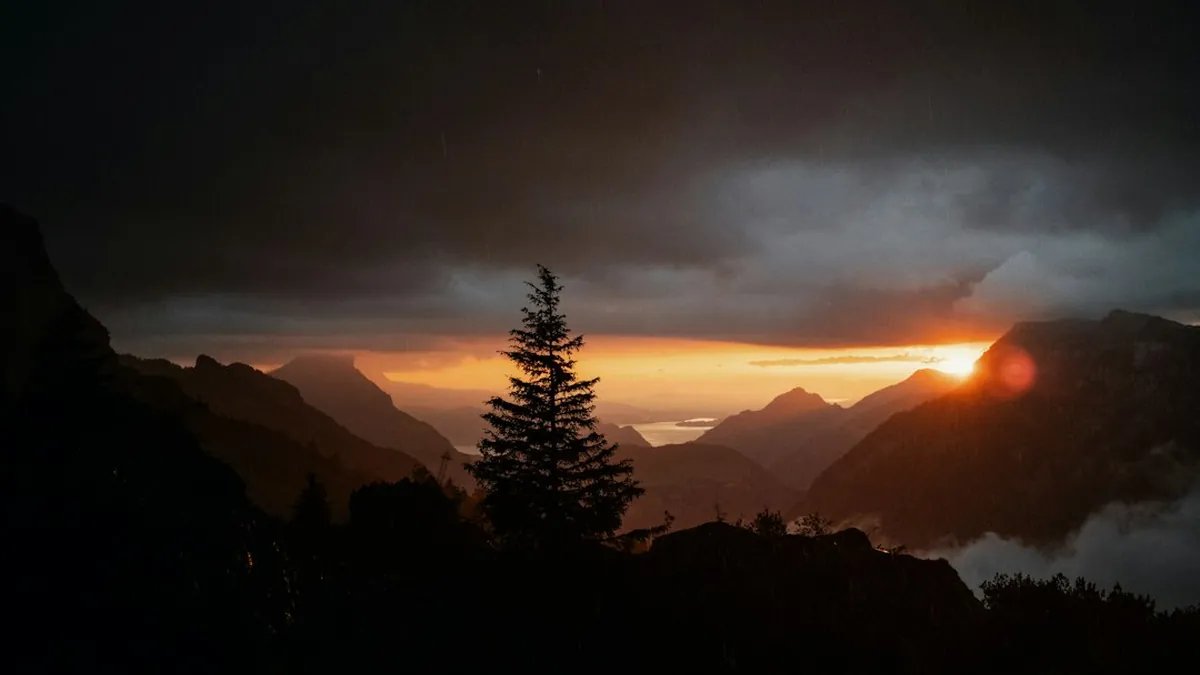
Chamonix’s reputation as an extreme mountaineering destination obscures the fact that its valley floor hosts 9 dedicated beginner trails with total elevation gains under 300 meters. The Arve River path alone stretches 8 kilometers through meadows and pine forest with virtually no technical challenge. Trail managers here actively follow European best practices in trail management to ensure sustainable, safe access for all skill levels.
- Key Reality: The Mont Blanc Express train connects 5 valley trailheads, eliminating the need for a rental car.
5. Rila, Bulgaria: Monastery Valley Walks Through Historic Cultural Landscapes
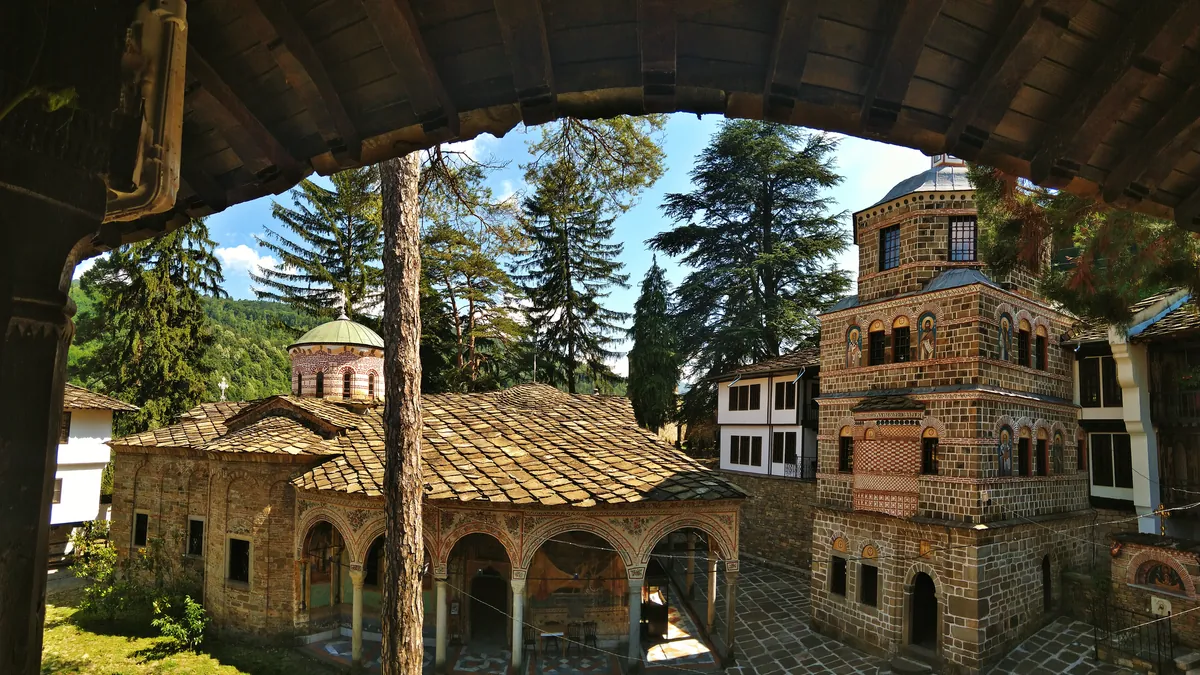
The Rila Monastery valley offers a rare combination of spiritual heritage and genuinely flat riverside hiking through old-growth forest, with the trail to the monastery clocking in at just 4 kilometers round trip. Wildlife encounters — including snakes and stinging insects common to Balkan forest zones — are possible, and even brief interactions can result in puncture wounds or swelling requiring urgent evaluation. Staying on marked paths and wearing closed-toe shoes remains the smartest precaution.
- Key Reality: Entry to the monastery grounds costs just 8 Bulgarian lev, with free surrounding trail access.
6. Grindelwald, Switzerland: Eiger Region Town with Cable Car Access to High Trails
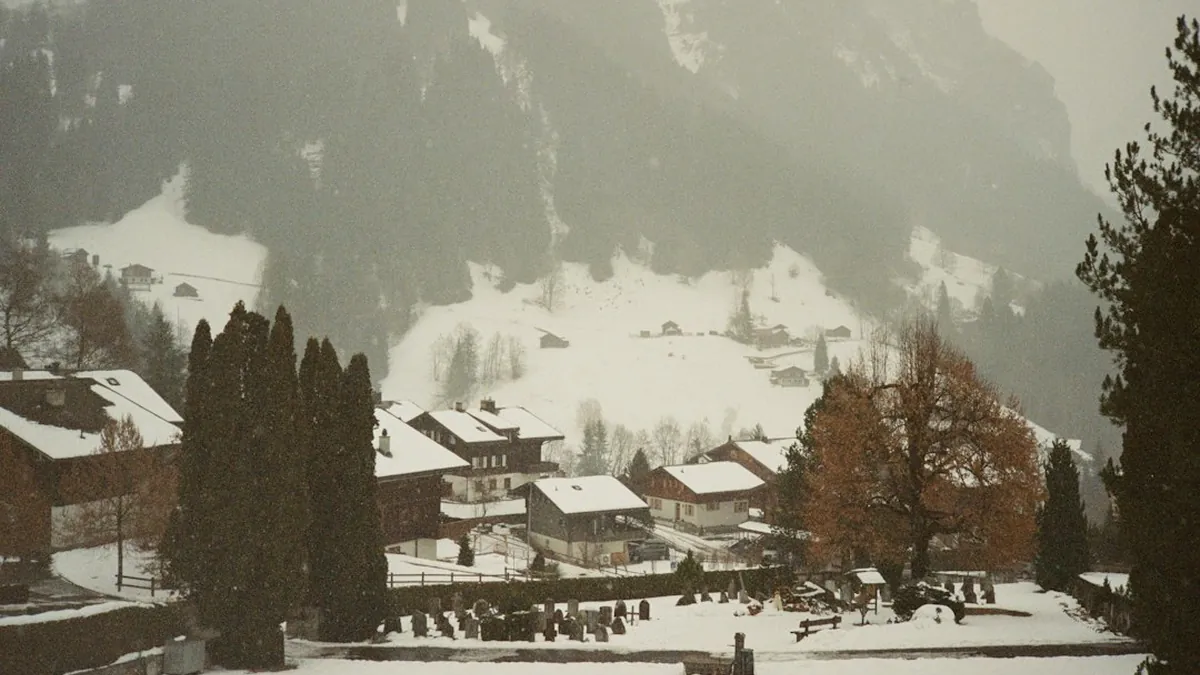
Grindelwald’s cable car infrastructure essentially eliminates the hardest part of Alpine hiking — the brutal first 1,000 meters of vertical gain — depositing visitors directly onto high-altitude meadow trails. The First Cliff Walk, a steel-framed walkway bolted into the mountain face, requires no hiking experience and delivers panoramic Eiger views in under 45 minutes. It’s a genuinely democratic mountain experience at a democratic-ish 35 Swiss franc cable car price.
- Key Reality: The First Flyer zip line and mountain cart rentals make this a strong pick for families seeking adventure variety.
7. Kotor, Montenegro: Coastal Clifftop Walks and Bay Perimeter Routes
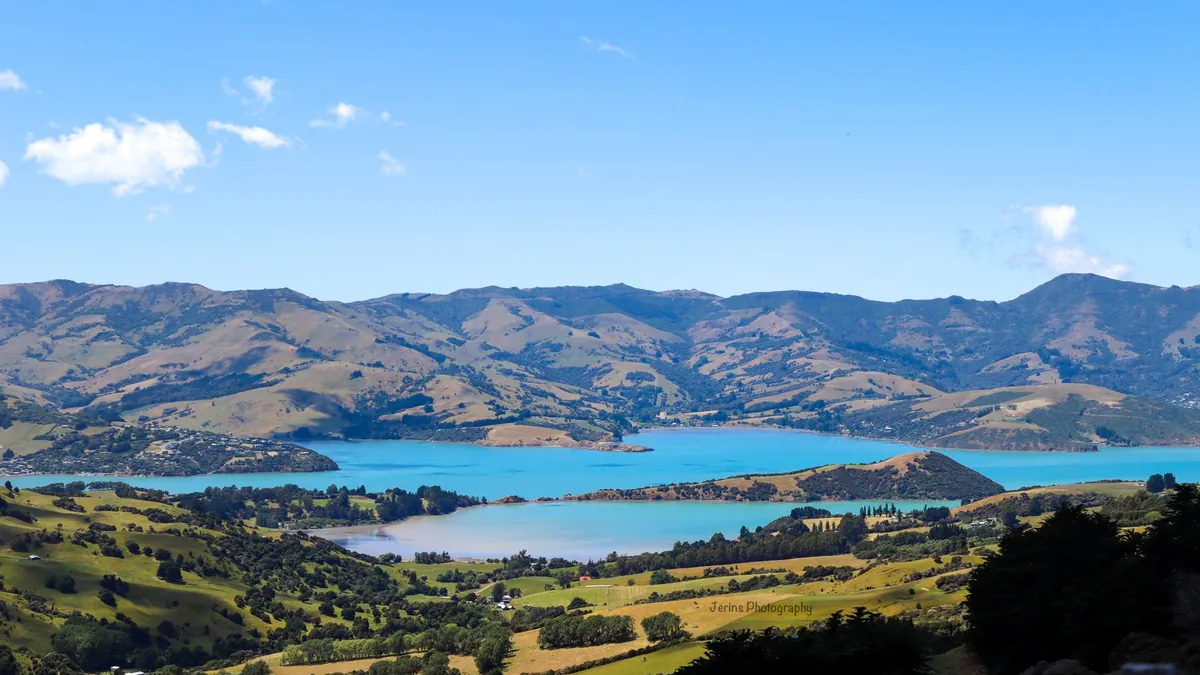
Kotor’s medieval walled city anchors a series of coastal hiking routes that wind above the Adriatic’s most dramatic bay, with the famous fortress climb topping out at just 260 meters above sea level. The bay perimeter path stretches 67 kilometers total but is freely divisible into short, scenic day sections. Accessibility on some sections remains uneven, and trail surface conditions vary significantly between the paved old town perimeter and the rougher clifftop routes.
- Key Reality: The fortress entrance fee is 8 euros, but the surrounding hillside trails are completely free to access.
8. Zermatt, Switzerland: Matterhorn Valley Town with Car-Free Village Exploration
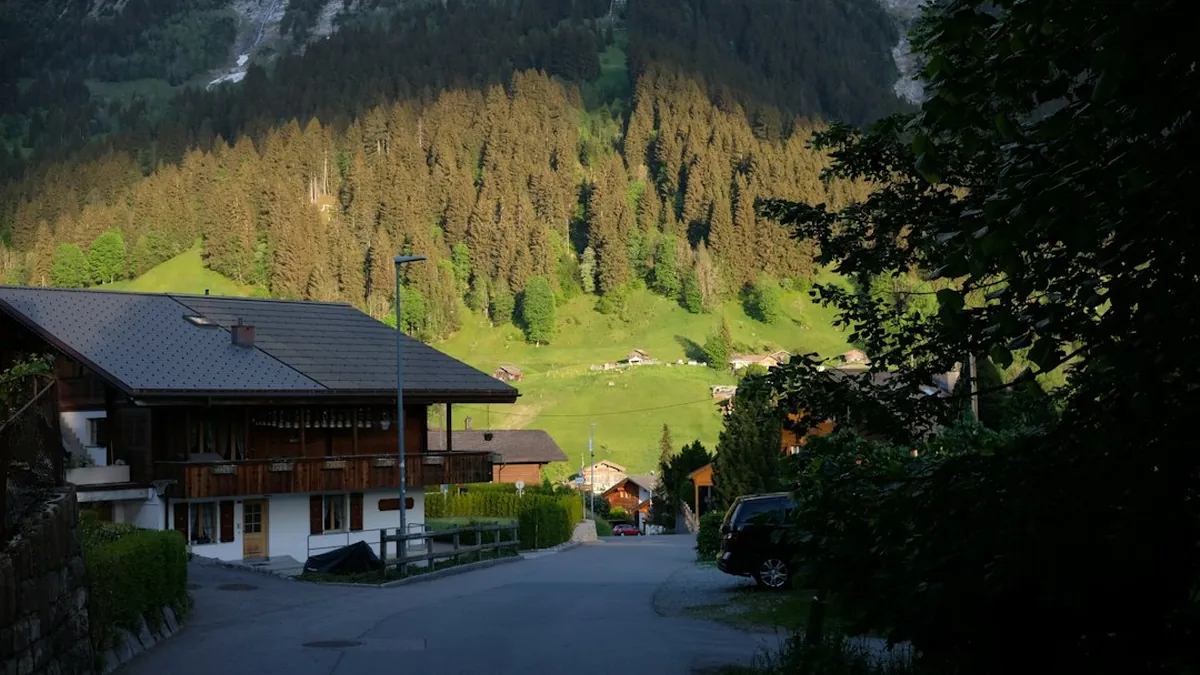
Zermatt’s complete ban on combustion engine vehicles creates one of Europe’s most pedestrian-friendly mountain environments, where 400 kilometers of marked trails radiate outward from a single, walkable village core. The Sunnegga Express funicular lifts hikers to 2,288 meters in just 4 minutes, opening access to high-alpine meadow routes without a single switchback of effort. Even the village-level walks deliver unobstructed Matterhorn sightlines that feel almost unreasonably cinematic.
- Key Reality: Zermatt prohibits private cars entirely — arrival is exclusively by train from Täsch, costing around 8 francs round trip.
9. Meteora, Greece: Monastery Ridge Hikes Through Unique Geological Formations
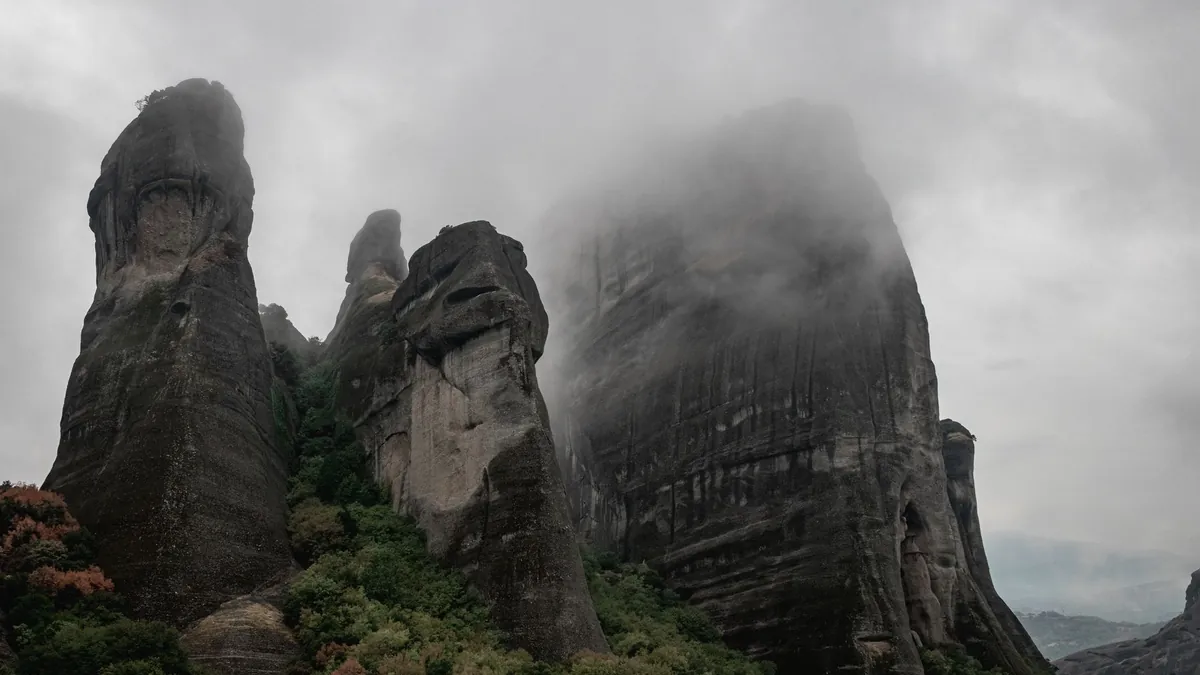
Meteora’s sandstone pillars — some rising 400 meters from the Thessaly plain — host a network of inter-monastery footpaths that wind between 6 active monasteries perched on seemingly impossible summits. The trails themselves are moderate rather than technical, with the main circuit completing in roughly 3 hours at a comfortable pace. Trail resilience here is an active concern, as European trail management standards emphasize erosion control and hiker education in geologically sensitive zones like this one.
- Key Reality: Each monastery charges a separate 3-euro entry fee, and modest dress codes are strictly enforced at all sites.
10. Sinaia, Romania: Carpathian Foothills Town with Accessible Alpine Meadow Paths
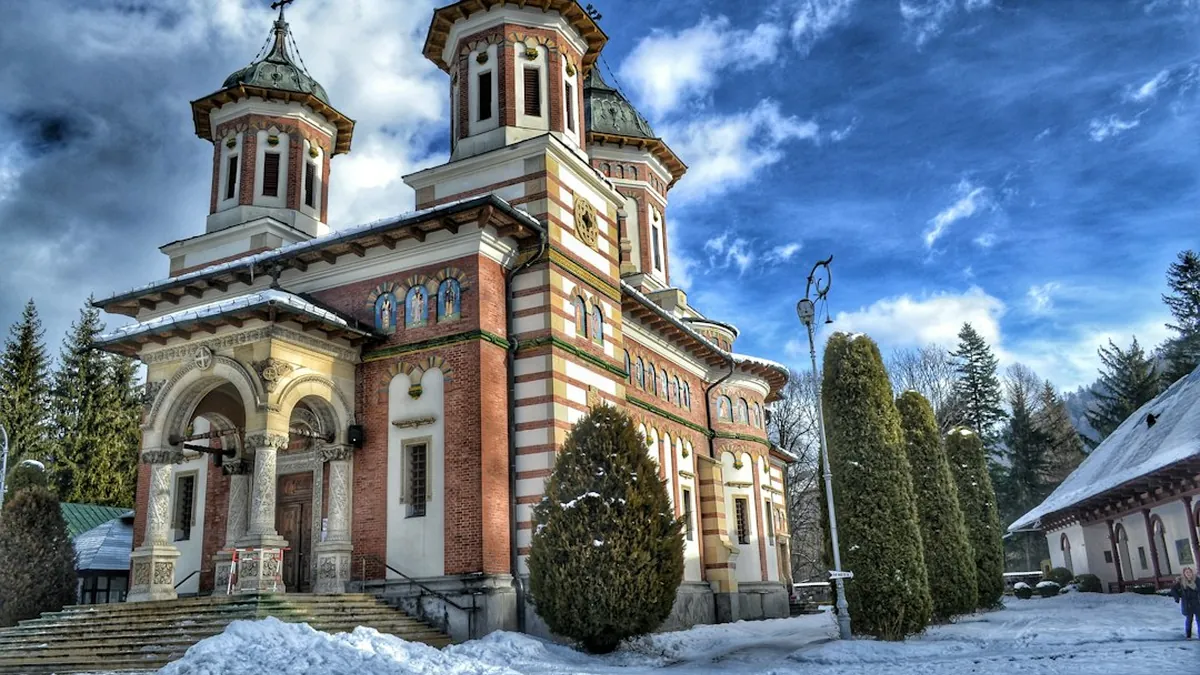
Sinaia, Romania’s so-called “Pearl of the Carpathians,” offers cable car access to Bucegi Plateau meadows at 2,000 meters