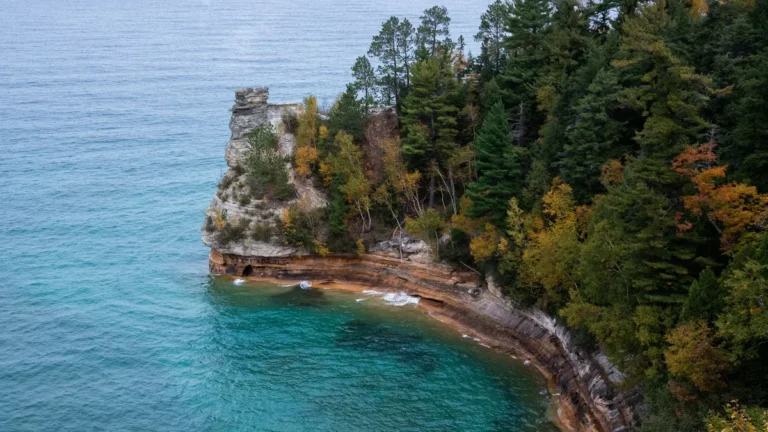
7 Mountain Lakes in America Perfect for Summer Heat
As participants in Amazon Associates and other programs, we earn from qualifying purchases. This comes at no additional cost to you. For more details, see our Affiliate Disclosure.
When summer temperatures climb past bearable, Americans instinctively start dreaming of water—but not just any water. The mountain lakes scattered across this country offer something fundamentally different from crowded coastal beaches: elevation-cooled air, jaw-dropping geological drama, and a stillness that feels genuinely restorative.
Yet most travelers default to the same 2 or 3 famous names, missing an entire constellation of alpine gems hiding in plain sight across 8 different states. These 7 mountain lakes in America represent the full spectrum of what high-altitude water can offer—from volcanic craters to glacial turquoise basins—and each one rewards visitors who actually show up prepared.
1. Lake Tahoe, California and Nevada: Crystal-Clear Alpine Waters Spanning 22 Miles
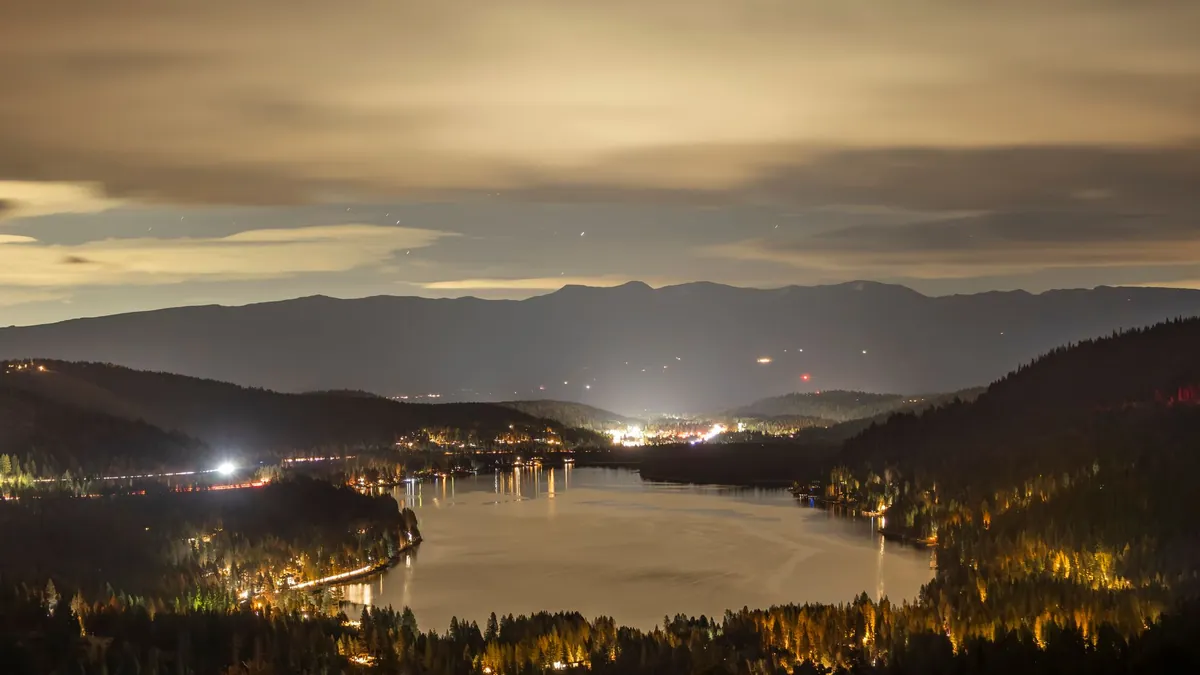
Straddling the California-Nevada border at 6,225 feet, Lake Tahoe is the undisputed heavyweight of American alpine lakes, drawing millions of visitors each summer with visibility depths reaching 70 feet. Its 22-mile length means shoreline experiences vary wildly—from casino-adjacent beaches on the Nevada side to secluded coves accessible only by kayak. Cold water safety is critical here, as the National Weather Service notes hypothermia onset begins when core body temperature drops to 95°F, and Tahoe’s deep water stays dangerously cold year-round.
- Key Reality: Water temperatures in Tahoe’s deeper zones rarely exceed 50°F even in peak July heat, making life jackets non-negotiable for paddlers.
2. Crater Lake, Oregon: Deepest Mountain Lake in America with Stunning Volcanic Backdrop
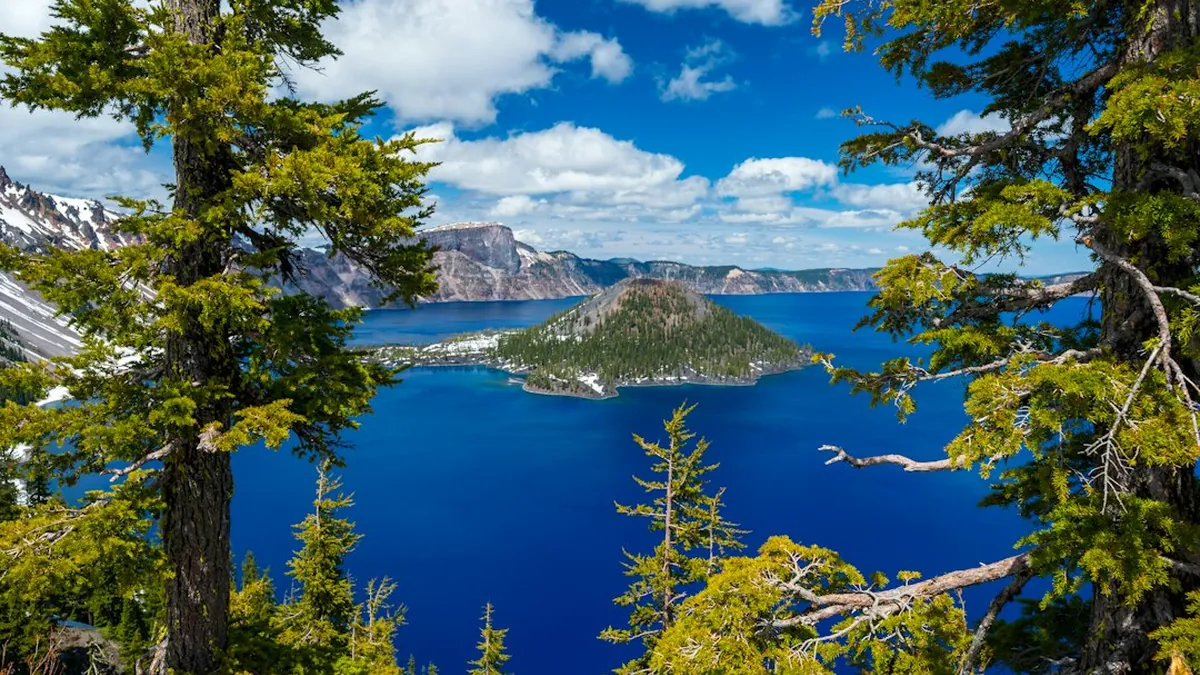
Formed roughly 7,700 years ago after the collapse of Mount Mazama, Crater Lake plunges to 1,943 feet—making it the deepest lake in the United States, according to the USGS. Its impossibly saturated blue color comes from extraordinary water clarity and depth, with no rivers feeding or draining it—only rain and snowmelt. The Rim Drive encircling the caldera spans 33 miles and delivers uninterrupted panoramic views that rival anything on the continent.
- Key Reality: Crater Lake sits inside a national park with an entrance fee, but it appears on curated lists of free national parks in the US worth cross-referencing for budget trip planning.
3. Moraine Lake, Colorado: Turquoise Glacial Waters Nestled in the Rocky Mountains
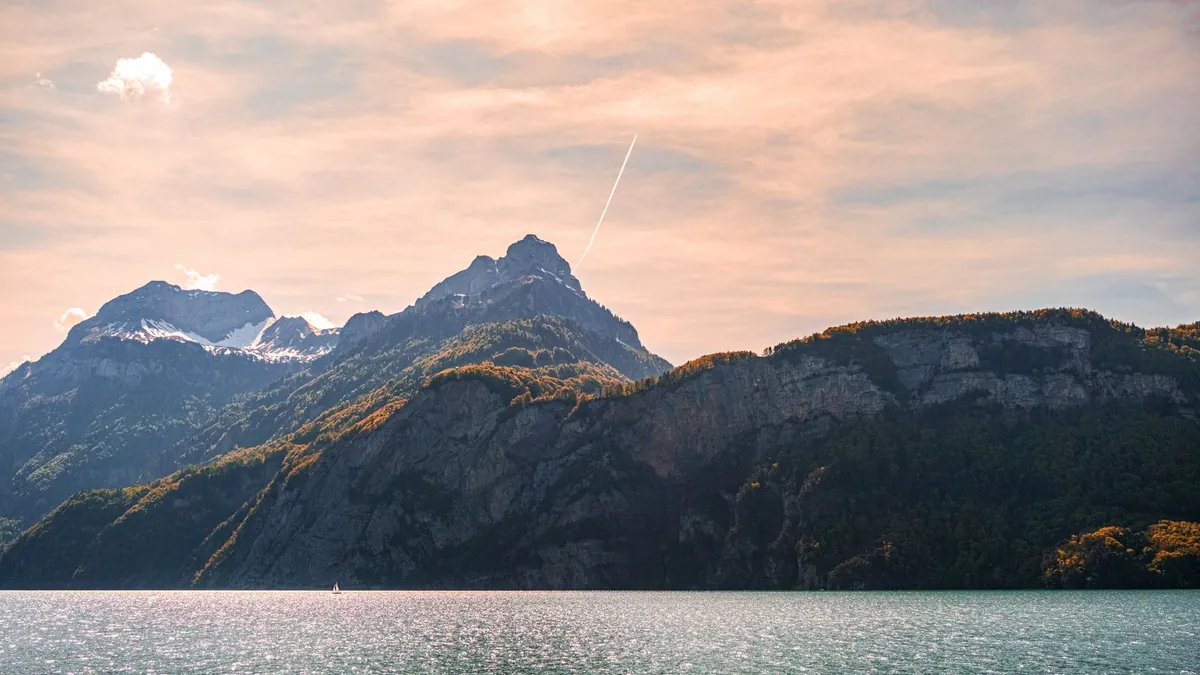
Tucked into Colorado’s Rocky Mountain high country, Moraine Lake earns its reputation through an almost surreal turquoise hue created by glacial rock flour suspended in its waters. At elevations above 10,000 feet, the surrounding peaks create a natural amphitheater that amplifies every sunrise into a full sensory event. Hikers and paddlers alike find this lake delivers maximum visual payoff with relatively accessible trailheads.
- Key Reality: Altitude sickness is a genuine concern above 8,000 feet—plan a gradual acclimatization day before attempting strenuous lakeside trails.
4. Jenny Lake, Wyoming: Grand Teton’s Premier Mountain Lake for Swimming and Paddling
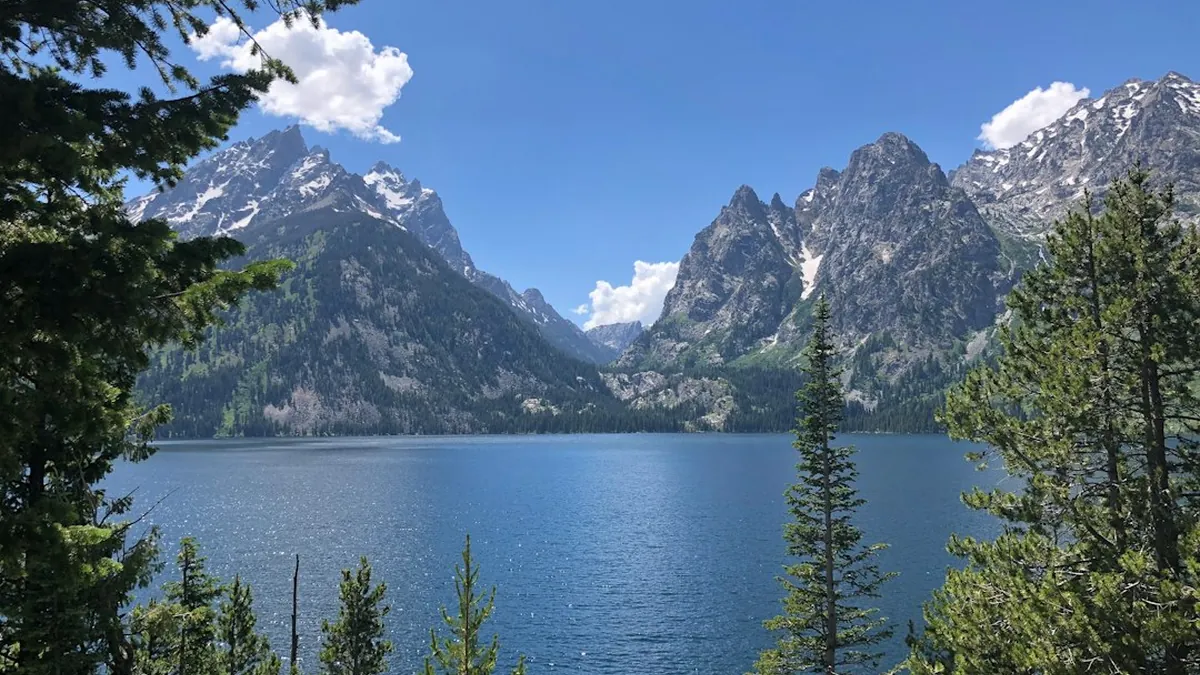
Jenny Lake sits at the base of the Teton Range in Grand Teton National Park, offering one of the most photographed mountain reflections in the American West. A shuttle boat crosses its 1.2-mile width, connecting hikers to trailheads leading toward Hidden Falls and Inspiration Point. Bear country protocols apply throughout the park—the National Park Service recommends storing all scented items, including toothpaste and deodorant, in certified bear canisters or locked vehicles.
- Key Reality: Grand Teton’s accessibility resources are detailed on each park’s individual website, per NPS accessibility guidelines, including adaptive equipment availability.
5. Emerald Lake, Washington: Alpine Gem in the North Cascades with Pristine Clarity
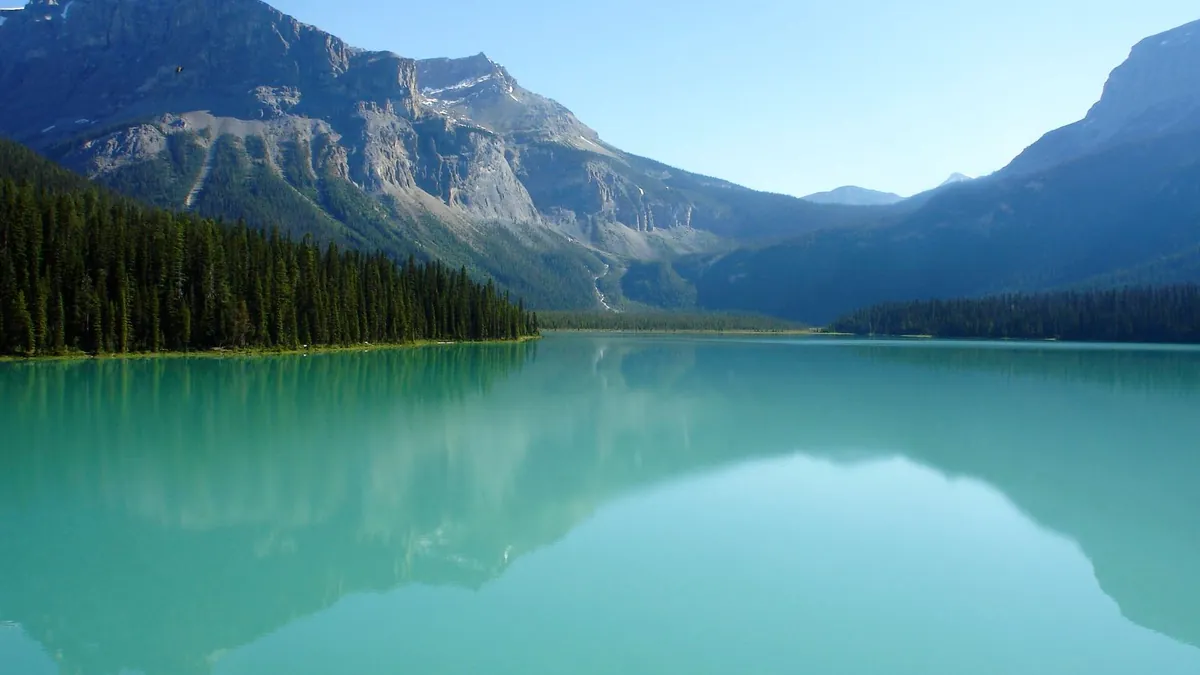
Washington’s North Cascades harbor some of the most undervisited alpine scenery in the entire country, and Emerald Lake exemplifies exactly why that’s a traveler’s advantage. Its green-tinted clarity reflects old-growth forest canopy and jagged peaks in equal measure, creating a mirror effect that photographers chase obsessively. Pairing a visit here with one of the unforgettable scenic train journeys through the Pacific Northwest turns a single trip into a multi-sensory expedition.
- Key Reality: Seasonal road closures can block access until late June—always check current conditions before departure.
6. Bear Lake, Utah: High-Elevation Mountain Reservoir Surrounded by Uinta Peak Trails
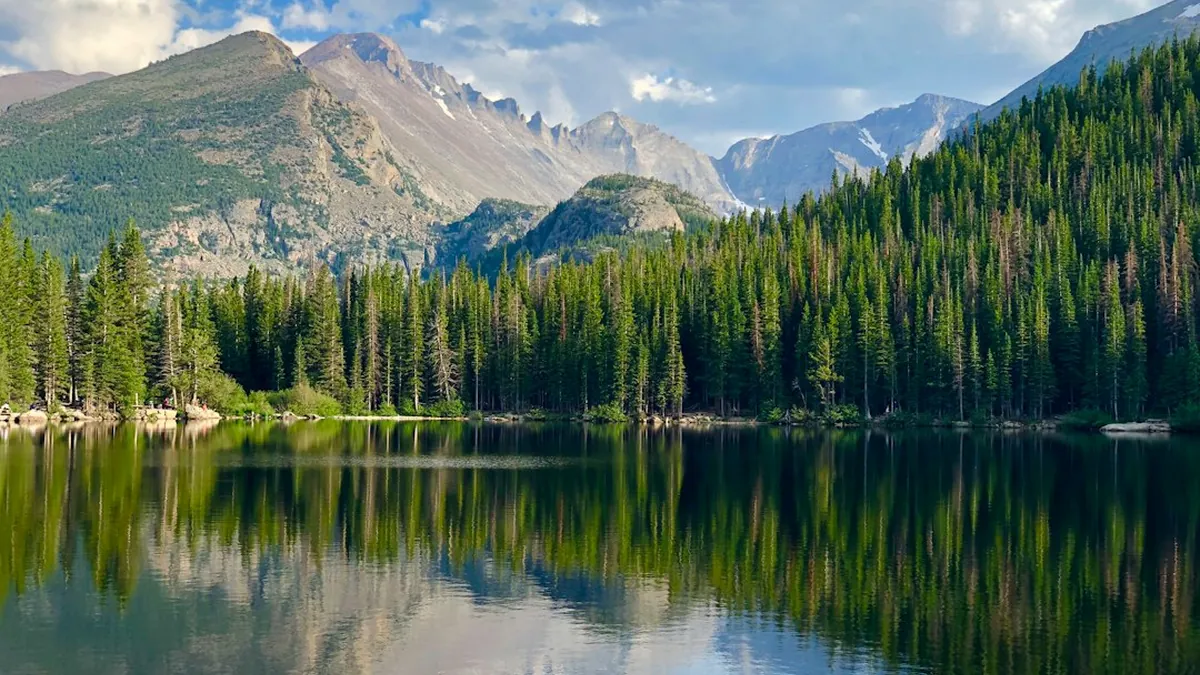
Straddling the Utah-Idaho border at 5,924 feet, Bear Lake earns its nickname “Caribbean of the Rockies” through a vivid turquoise color produced by calcium carbonate particles suspended in its waters. The surrounding Uinta Mountains provide a dramatic backdrop for hiking, while the lake itself supports boating, swimming, and world-famous raspberry shakes at roadside stands. Wildlife encounters are common in this corridor, and responsible food storage in bear canisters or locked vehicles is strongly advised throughout the region.
- Key Reality: Bear Lake State Park charges modest day-use fees, making it one of the most affordable high-elevation lake experiences in the Mountain West.
7. Chilkoot Lake, Alaska: Remote Mountain Lake Offering Exceptional Fishing and Wildlife Viewing
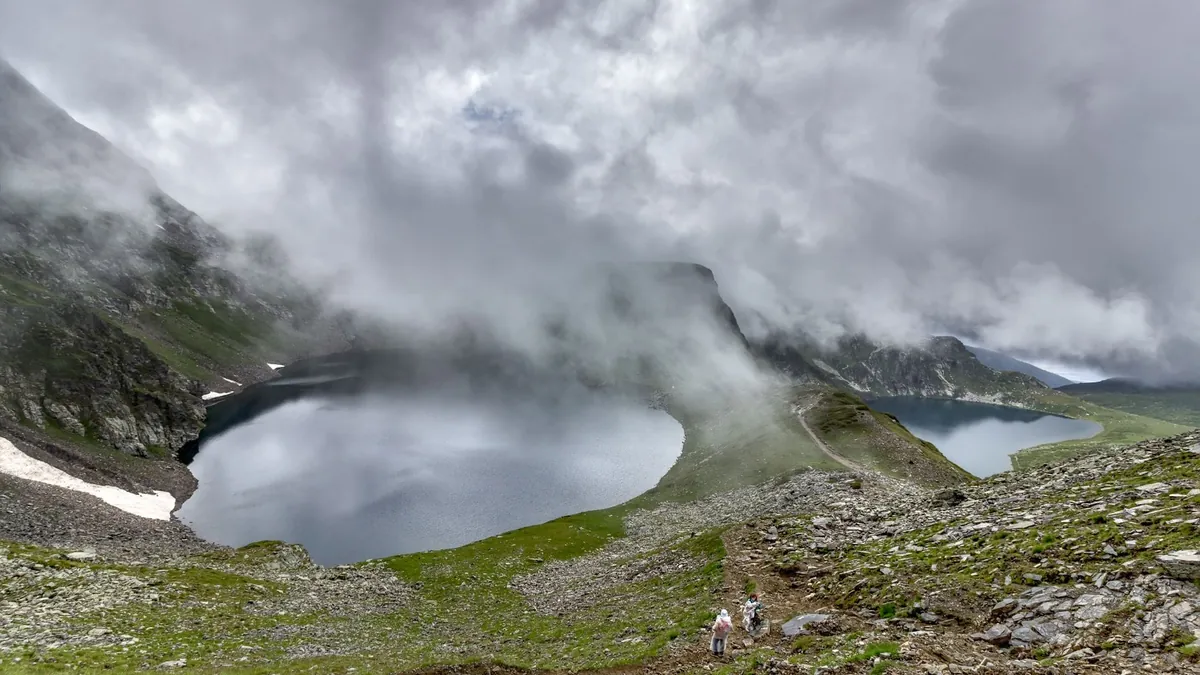
Just 10 miles north of Haines, Alaska, Chilkoot Lake sits within a state recreation site framed by glacier-carved peaks and dense boreal forest that feels genuinely untouched. Sockeye salmon runs draw both brown bears and serious anglers in numbers that make every visit feel like a wildlife documentary unfolding in real time. Cold shock from immersion in Alaskan glacial water is an immediate life-threatening risk—water temperatures here can trigger dangerous physiological responses within the first 3 minutes of contact.
- Key Reality: Chilkoot is accessible by road from Haines, making it one of the rare Alaskan wilderness experiences that doesn’t require a floatplane or ferry.
The mountain lakes in America aren’t just scenic backdrops—they’re ecosystems, geological records, and genuine tests of how well travelers prepare before they arrive. Whether you’re chasing Crater Lake’s impossible blue or Chilkoot’s raw Alaskan wilderness, the reward scales directly with the respect you bring to the water. Drop your favorite alpine lake experience in the comments—we want to know which one left you speechless.