9 Cheap European Capitals Cheaper Than Berlin
As participants in Amazon Associates and other programs, we earn from qualifying purchases. This comes at no additional cost to you. For more details, see our Affiliate Disclosure.
Berlin has long worn the badge of Europe’s “affordable cool” capital, drawing artists, remote workers, and budget travelers with its reputation for low rents and cheap beer. But that reputation has aged considerably, with rising housing costs and inflation quietly dismantling the myth that Germany’s capital remains a bargain destination.
The real deals in cheap European capital cities have quietly migrated east and southeast, where medieval architecture, vibrant food scenes, and genuinely low costs of living coexist without the hype tax. These 9 capitals don’t just match Berlin’s old price point — they shatter it entirely.
1. Budapest, Hungary: Eastern Europe’s Most Affordable Metropolitan Hub
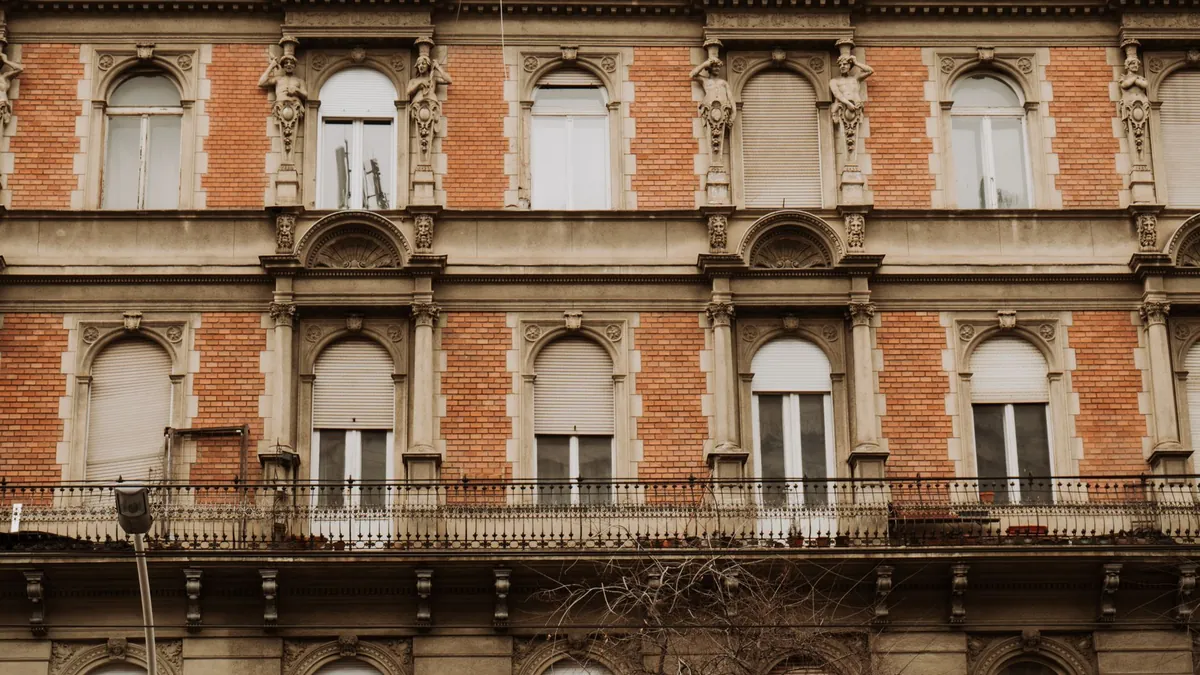
Budapest delivers a genuinely world-class city experience — thermal baths, ruin bars, and Danube riverfront grandeur — at a fraction of what Western Europe charges for far less. Monthly living costs for a single person hover around 900 euros, making it a perennial favorite among remote workers. Our deep-dive Budapest vs. Prague comparison breaks down exactly where each city wins on value.
- Key Reality: A midrange restaurant meal costs roughly 8 euros, and a monthly transit pass runs about 23 euros.
2. Bucharest, Romania: Ultra-Low Cost of Living with Vibrant Nightlife
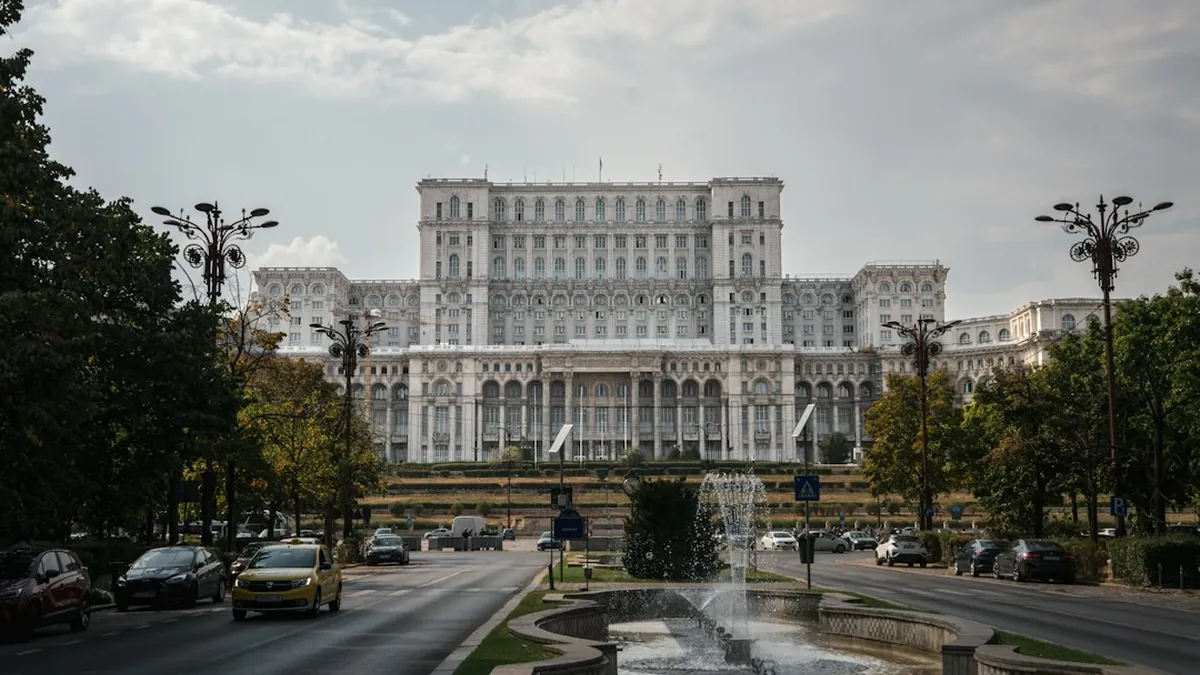
Bucharest is routinely ranked among the most affordable capitals on the continent, with a cost of living index sitting roughly 55% below Western European averages. The city pairs Communist-era architectural drama with a surprisingly electric nightlife scene and a fast-growing tech sector. Monthly rent for a furnished one-bedroom apartment in the city center averages around 550 euros.
- Key Reality: Grocery costs are among the lowest in the EU, with a weekly shop averaging around 30 euros for 1 person.
3. Sofia, Bulgaria: Mountain-Backed Capital Offering Exceptional Value for Digital Nomads
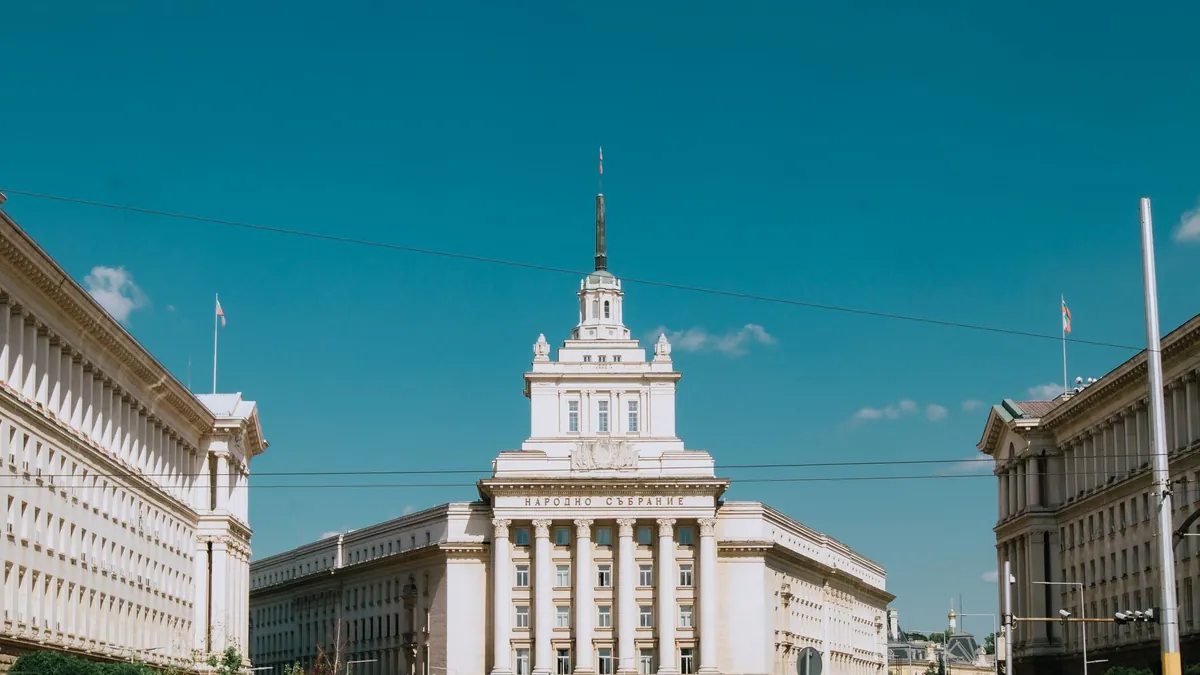
Sofia sits at the foot of Mount Vitosha, offering hiking trails within 30 minutes of a city center where a coffee costs under 2 euros. It’s one of the most compelling destinations featured among surprisingly affordable European cities for both short visits and longer stays. Digital nomads should note that if you spend 183+ days here, you typically trigger tax residency — with Bulgaria’s flat rate sitting at a competitive 10%, according to CountryTaxCalc.
- Key Reality: Bulgaria uses the lev, not the euro, giving savvy travelers additional purchasing power flexibility.
4. Belgrade, Serbia: Danube River Charm with Minimal Accommodation Costs
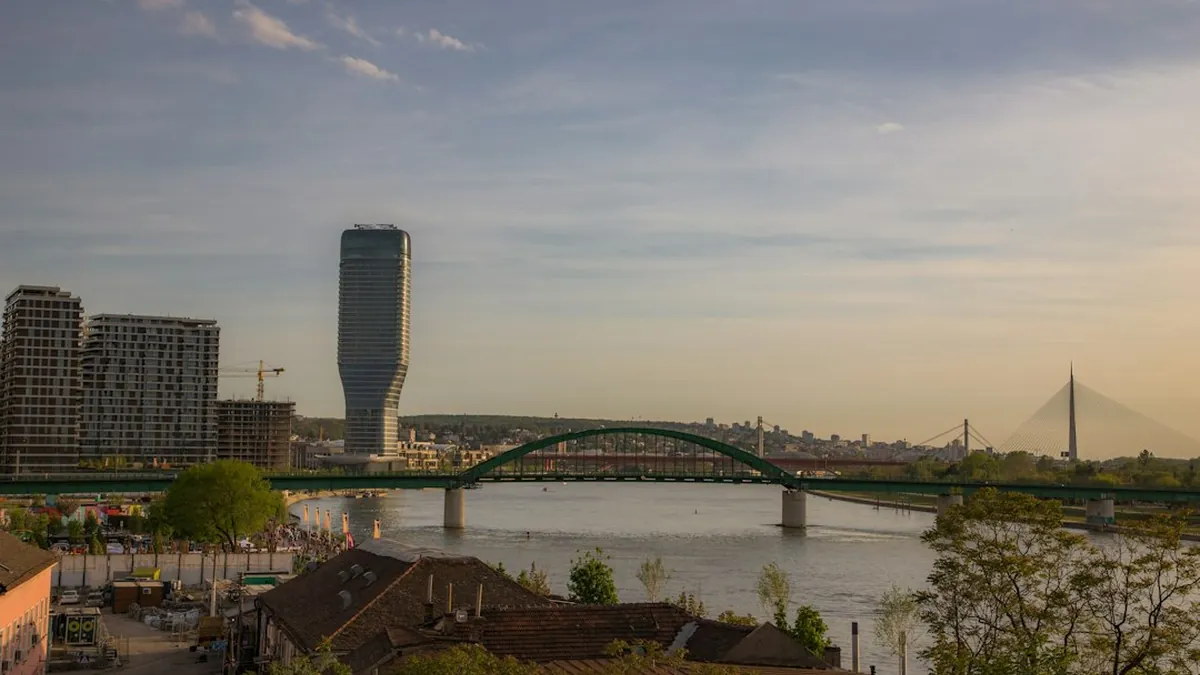
Belgrade operates outside the EU entirely, which keeps prices refreshingly low and gives the city an independent, unpolished energy that feels increasingly rare in Europe. Floating river clubs, fortress views, and a thriving startup culture make it far more dynamic than its budget price tag suggests. A private room in a central apartment averages just 400 euros per month.
- Key Reality: Serbia is not in the Schengen Area, so passport validity rules apply differently — worth double-checking before travel.
5. Bratislava, Slovakia: Compact Capital with Monthly Expenses 40% Below Berlin
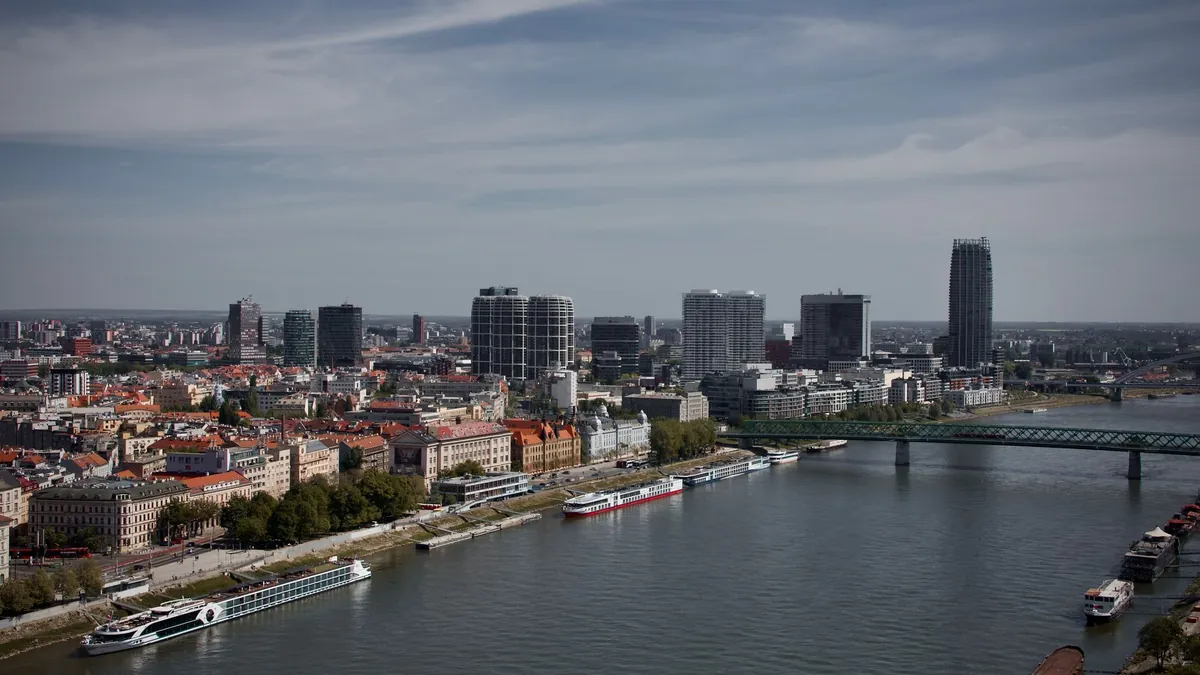
Bratislava is often dismissed as a day-trip city from Vienna, but that underestimation works entirely in your favor as a longer-stay visitor. Its medieval Old Town is walkable in an afternoon, yet the city supports a full urban lifestyle with monthly costs running approximately 40% below Berlin’s current averages. The proximity to Vienna also means world-class cultural events are just a 60-minute train ride away.
- Key Reality: A monthly public transport pass in Bratislava costs around 30 euros, and the network is reliably efficient.
6. Tallinn, Estonia: Baltic Tech Hub Combining Medieval Aesthetics with Affordable Living
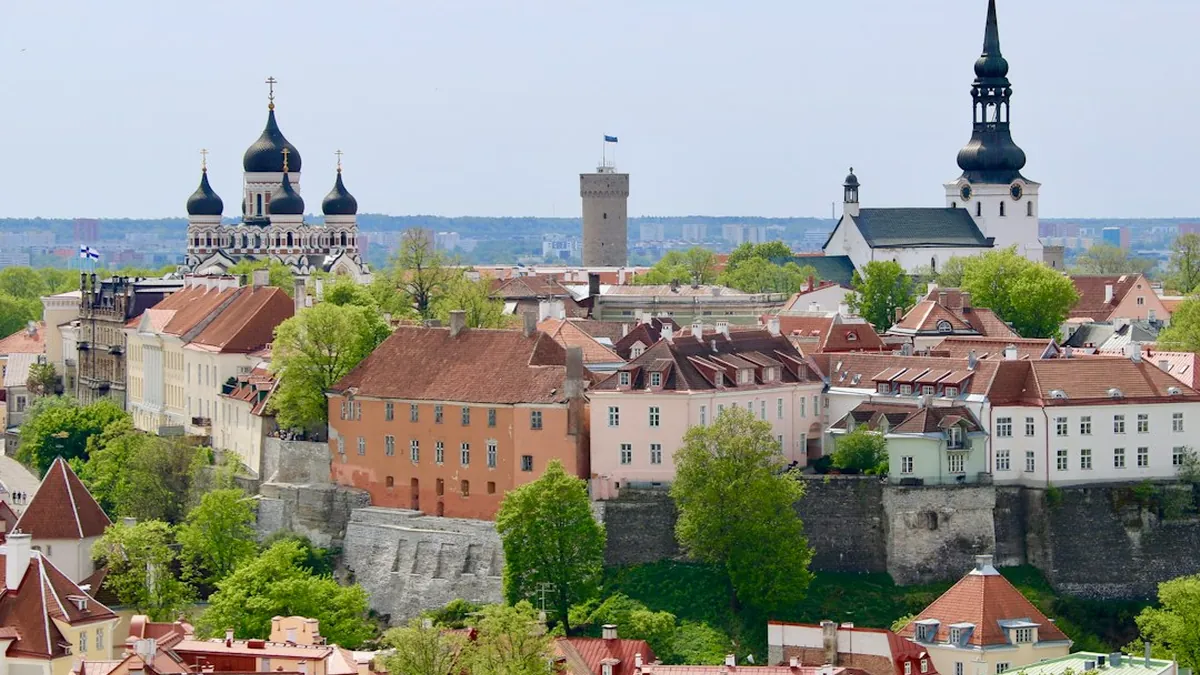
Tallinn’s UNESCO-listed Old Town looks like a fairy tale, but its real superpower is infrastructure — Estonia leads Europe in digital governance and offers some of the fastest public Wi-Fi on the continent. It’s consistently highlighted as one of the best cities for digital nomads seeking a balance between livability and affordability. Monthly living costs for a single person average around 1,100 euros, still meaningfully below Berlin’s current 1,500-plus euro baseline.
- Key Reality: Estonia’s e-Residency program makes it uniquely attractive for location-independent entrepreneurs managing EU-based businesses.
7. Riga, Latvia: Art Nouveau Architecture and Budget-Friendly Dining
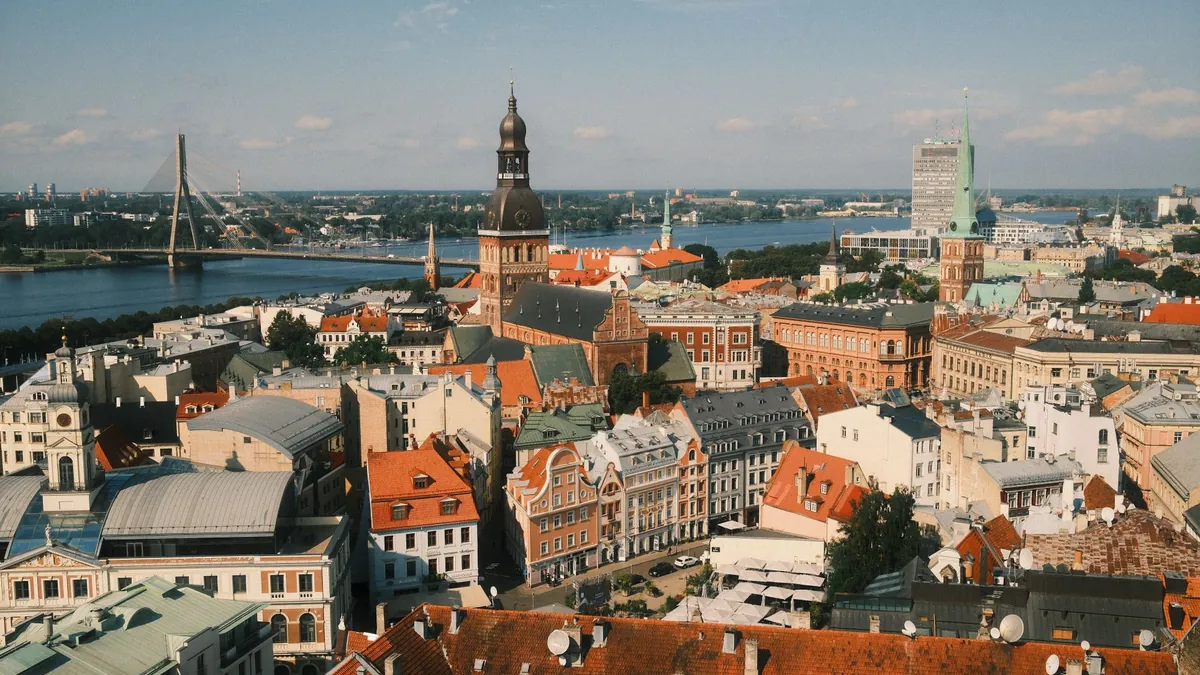
Riga holds the remarkable distinction of having more Art Nouveau buildings per capita than almost any other city in the world, yet it charges budget prices for the privilege of living among them. A sit-down lunch at a local restaurant averages around 7 euros, and the city’s Central Market — housed in repurposed zeppelin hangars — is one of Europe’s most extraordinary food experiences. Safety remains a consideration in any travel decision; Squaremouth research notes that 40% of travelers cite crime as their primary concern when evaluating destinations.
- Key Reality: A furnished one-bedroom apartment in Riga’s city center averages around 600 euros per month.
8. Vilnius, Lithuania: Eastern Europe’s Greenest Capital with Low Rent
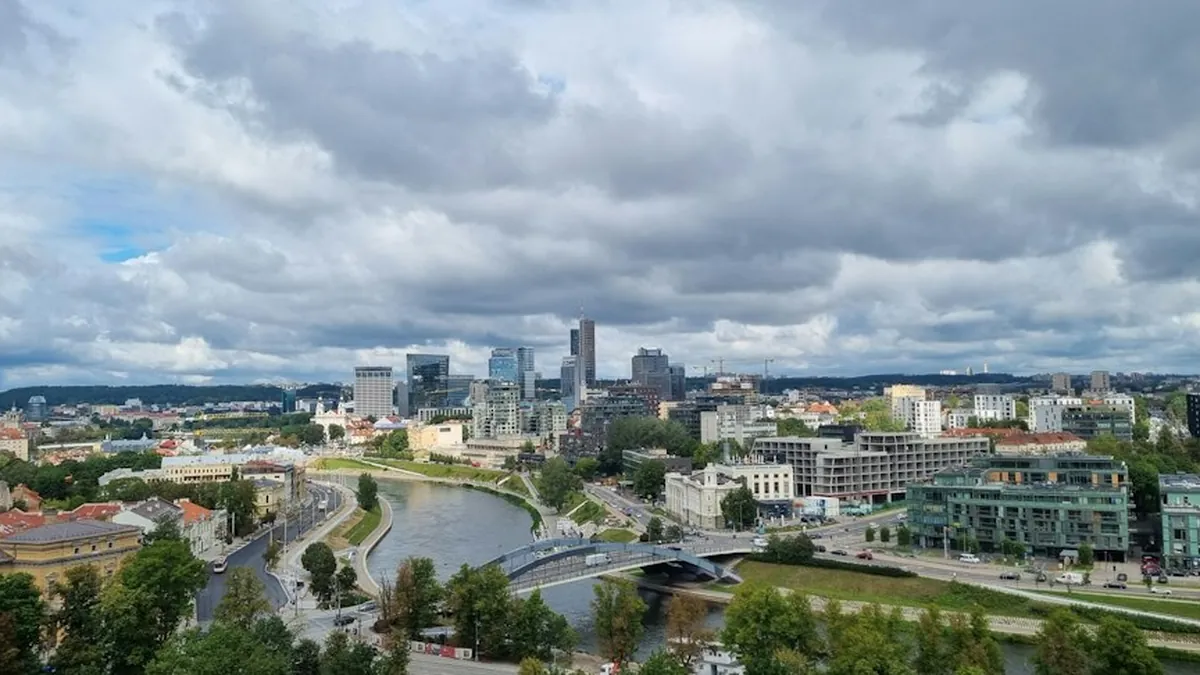
Vilnius earns its “greenest capital” title literally — over 50% of the city is covered by parks and green spaces, creating a quality of life that punches well above its price point. Rent for a central one-bedroom apartment averages around 580 euros monthly, and the city’s public transport network is both cheap and comprehensive. The Baroque Old Town, a UNESCO World Heritage Site, adds a layer of daily grandeur that most cities charge premium prices to offer.
- Key Reality: Lithuania’s flat income tax rate of 20% applies to tax residents, making financial planning straightforward for longer-stay nomads.
9. Tirana, Albania: Emerging Mediterranean Capital with Europe’s Lowest Living Costs
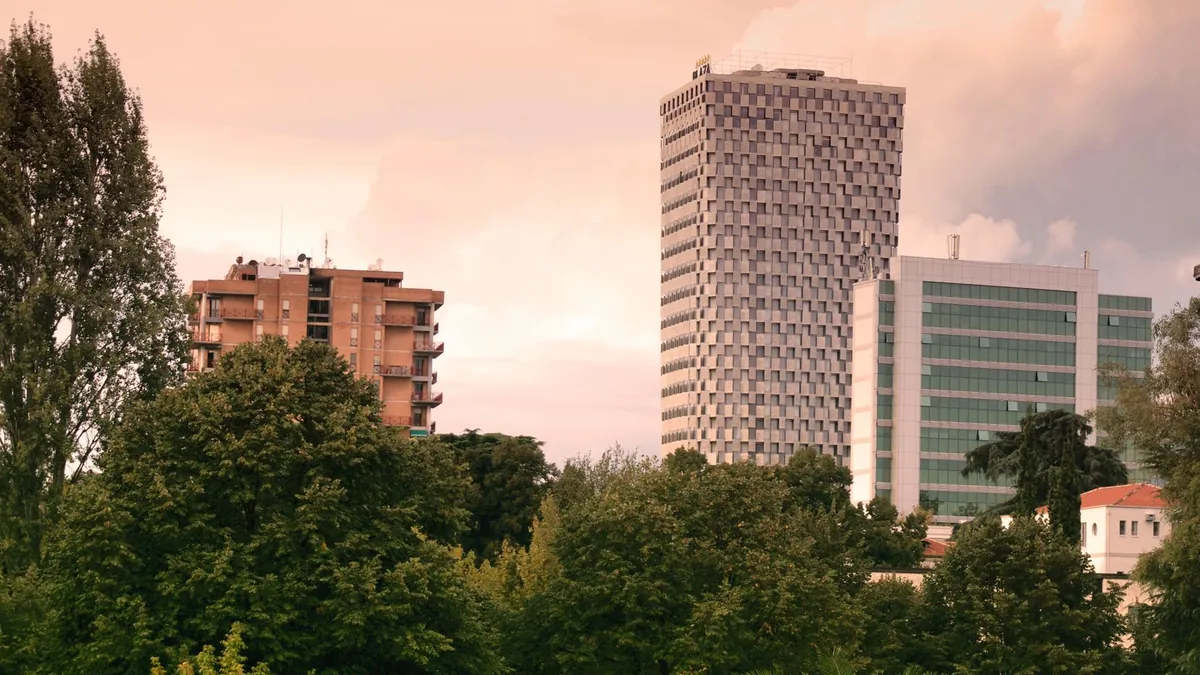
Tirana is arguably the most underrated capital on this entire list — a colorful, fast-evolving city where a full restaurant meal rarely exceeds 6 euros and monthly rent for a central apartment can dip below 400 euros. Albania sits outside the EU, which keeps costs dramatically low while the government actively courts foreign visitors and remote workers. It fits perfectly within the broader category of peaceful alternatives to overcrowded capitals that savvy travelers are increasingly prioritizing.
- Key Reality: Albania uses the lek currency, and the current exchange rate makes it one of the strongest value propositions for euro and dollar earners in all of Europe.
The era of assuming Western European capitals offer the best value for money is definitively over, and these 9 destinations prove that affordability and genuine cultural richness are not mutually exclusive. Whether you’re planning a 2-week trip or a 6-month remote work stint, the real bargains in Europe are flying flags east of the Rhine. Drop your favorite budget capital in the comments — we’d love to know which city surprised you most.