9 Peaceful Alternatives to Overcrowded European Capitals
As participants in Amazon Associates and other programs, we earn from qualifying purchases. This comes at no additional cost to you. For more details, see our Affiliate Disclosure.
Europe’s iconic capitals — Paris, Rome, Amsterdam, Vienna — have spent decades perfecting the art of overwhelming visitors with crowds, inflated prices, and exhausting queues that stretch around entire city blocks. The promise of a culturally rich European escape often collides hard with the reality of shoulder-to-shoulder tourist congestion that drains both energy and budget simultaneously.
What most travelers fail to realize is that Europe’s most genuinely memorable experiences are hiding in plain sight, just beyond the gravitational pull of its famous capitals. Research consistently shows that shoulder-season visits to lesser-known destinations deliver 20–40% savings alongside dramatically thinner crowds, according to Wander the World Guide — and these 9 destinations prove that point beautifully.
1. Sintra, Portugal: Medieval Palaces and Misty Mountain Retreats Away from Lisbon’s Tourist Crowds
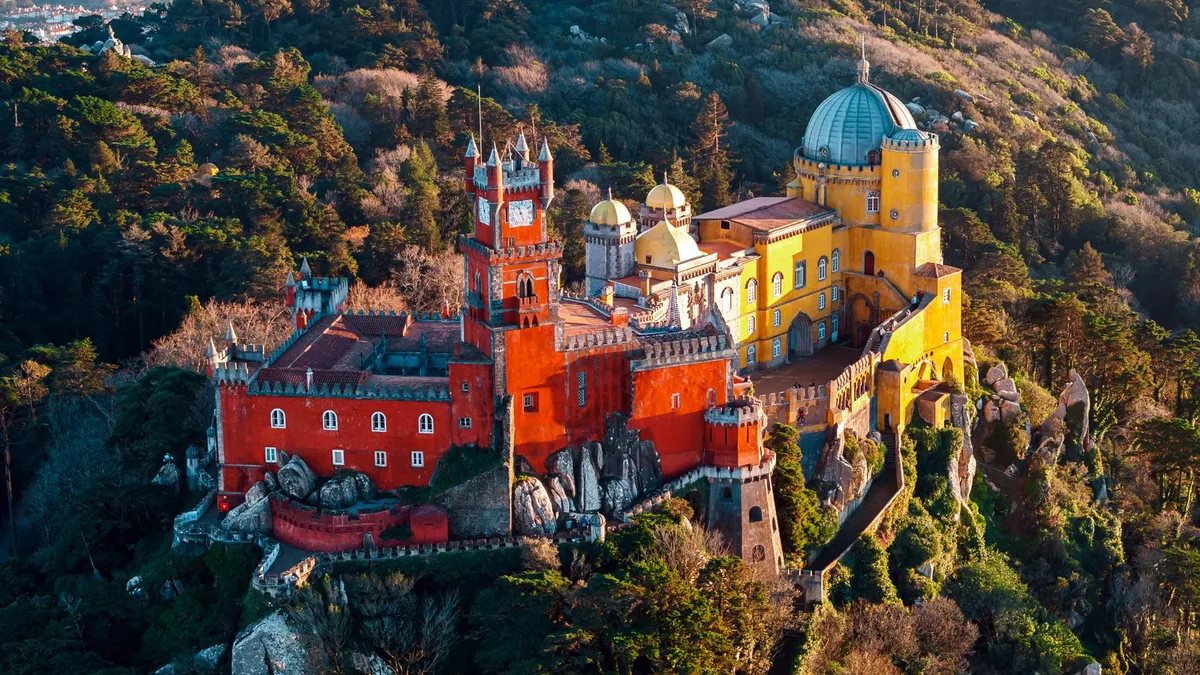
Perched dramatically in the Sintra Mountains, this UNESCO World Heritage town delivers fairy-tale palaces draped in morning mist at a fraction of Lisbon’s tourist intensity. Colorful royal estates like Pena Palace and Quinta da Regaleira reward early arrivals with near-solitary exploration that feels genuinely cinematic.
- Key Reality: Day-trip entry fees average 14–18 euros per palace, significantly cheaper than comparable Lisbon museum clusters.
2. Český Krumlov, Czech Republic: Bohemian Charm and Riverside Serenity Beyond Prague’s Urban Hustle
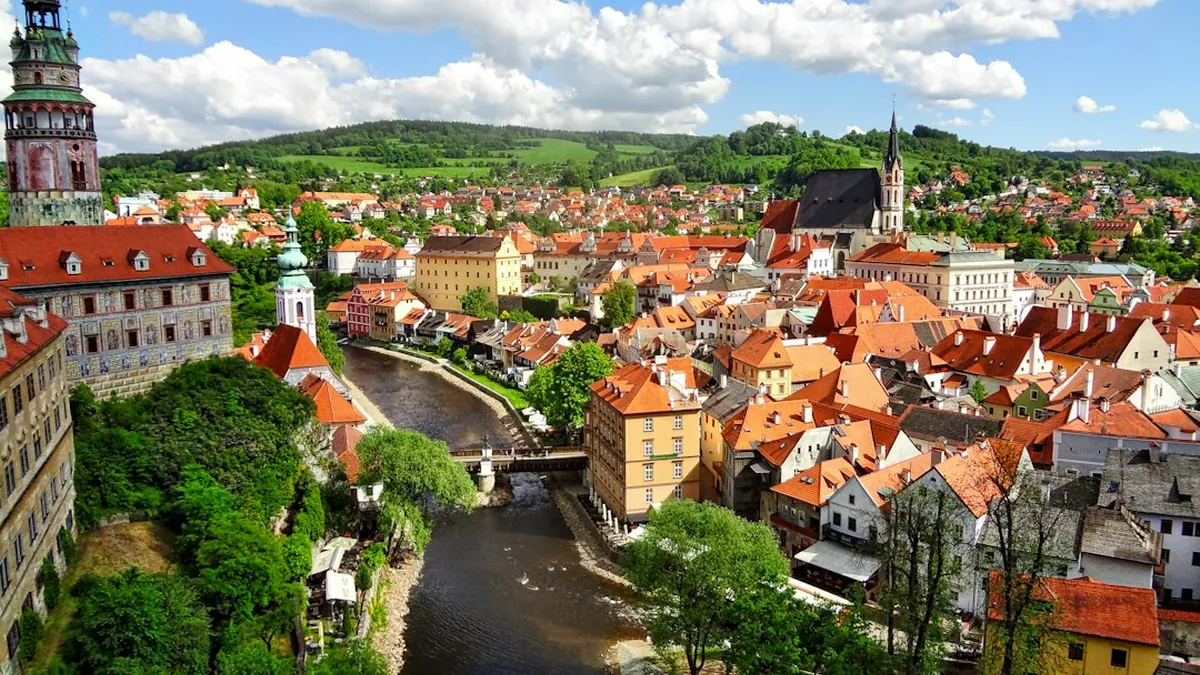
This impossibly picturesque Bohemian town wraps a 13th-century castle around a tight river bend, creating one of Central Europe’s most visually striking medieval streetscapes. Unlike Prague’s relentlessly packed Old Town, Český Krumlov offers cobblestone wandering at a genuinely human pace.
- Key Reality: Accommodation runs 30–50% cheaper than comparable Prague options, with riverside guesthouses available from 45 euros per night.
3. Hallstatt, Austria: Alpine Lakeside Tranquility and UNESCO Heritage Without Vienna’s Congestion
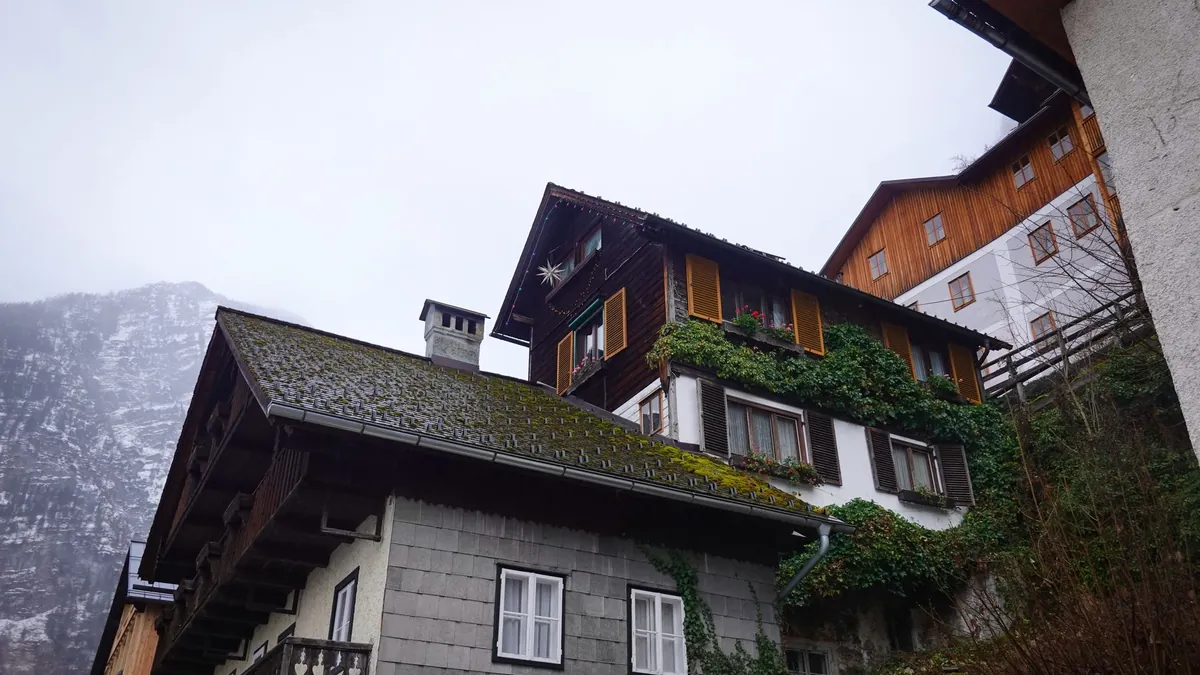
Hallstatt’s mirror-still lake and pastel-colored houses have made it one of Austria’s most photographed villages, yet its scale keeps visitor numbers manageable compared to Vienna’s urban sprawl. Arriving midweek during shoulder season transforms this Alpine gem into something approaching a private discovery, as highlighted by Go World Travel.
- Key Reality: The scenic Salzburg-to-Hallstatt train journey costs roughly 25 euros and eliminates stressful capital-city parking entirely.
4. Civita di Bagnoregio, Italy: Isolated Hilltop Village and Artistic Solitude Far from Rome’s Masses
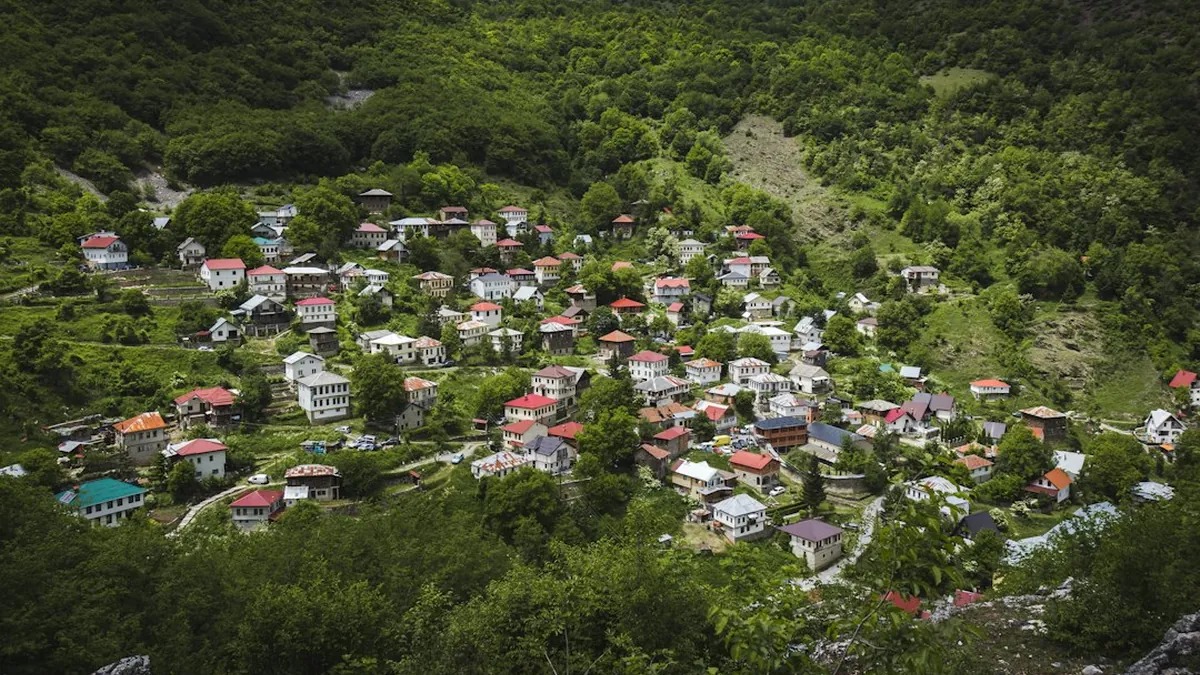
Accessible only by a single pedestrian bridge, this dramatically eroding tufa-rock village hosts fewer than 10 permanent residents, making it perhaps Italy’s most genuinely isolated inhabited settlement. The contrast with Rome’s overwhelming tourist infrastructure is so stark it feels almost surreal.
- Key Reality: The bridge entry fee is just 5 euros, making it one of Italy’s most affordable UNESCO-adjacent experiences.
5. Giethoorn, Netherlands: Car-Free Canal Villages and Peaceful Waterway Exploration Beyond Amsterdam
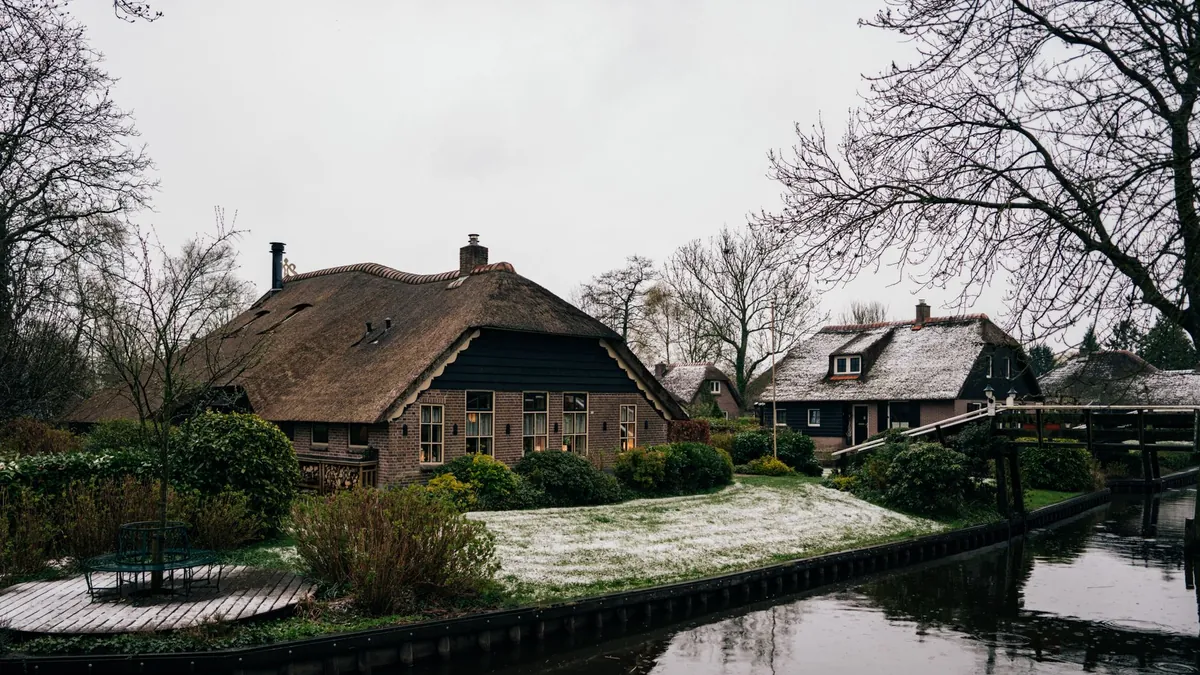
Giethoorn’s complete absence of roads forces all transportation onto its 7.5 kilometers of narrow canals, creating an atmosphere of enforced calm that Amsterdam’s chaotic cycling streets simply cannot replicate. Renting a whisper boat for 12–18 euros per hour delivers an afternoon of thatched-roof scenery at an unhurried pace.
- Key Reality: Weekday visits outside Dutch school holidays cut visitor numbers by roughly 60% compared to summer weekends.
6. Rila Monastery, Bulgaria: Spiritual Sanctuary and Byzantine Architecture in Mountain Seclusion from Sofia
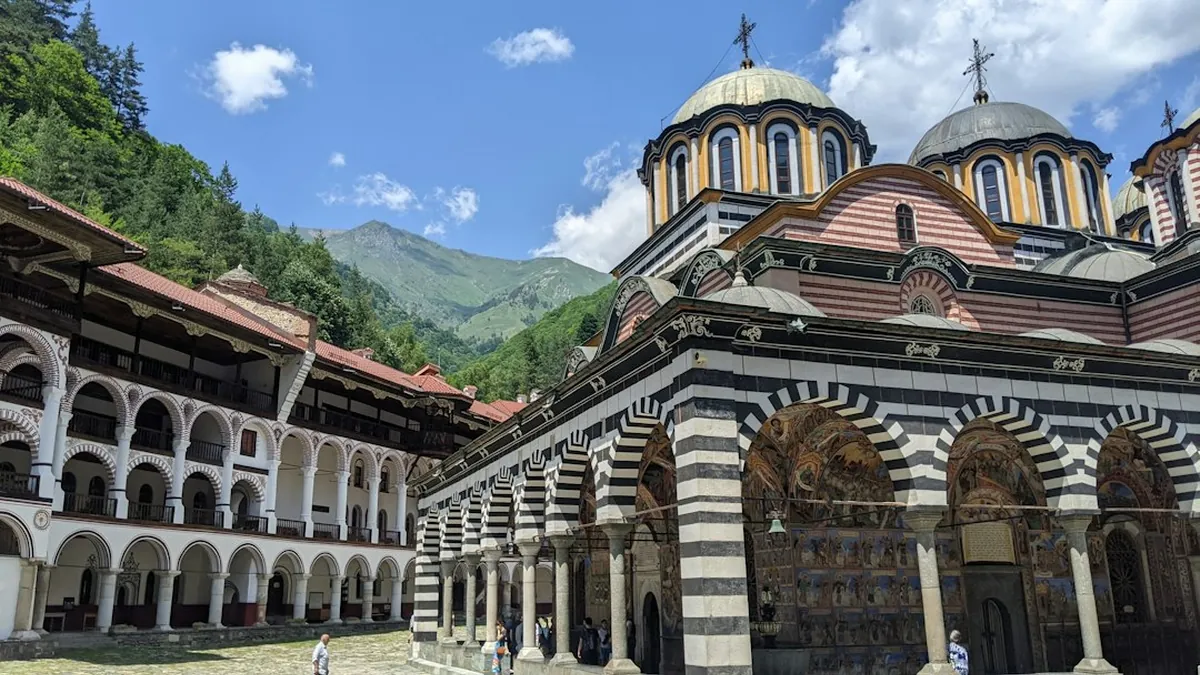
Nestled deep in Bulgaria’s Rila Mountains, this 10th-century Orthodox monastery combines jaw-dropping Byzantine frescoes with a mountain serenity that Sofia’s urban energy completely lacks. Safety metrics for Bulgaria’s mountain regions rank favorably against broader Balkan benchmarks, according to FasterCapital’s capital safety research.
- Key Reality: Entry to the monastery complex is free, with overnight monk-cell accommodation available from just 20 euros.
7. Rothenburg ob der Tauber, Germany: Walled Medieval Town and Authentic Bavarian Culture Minus Berlin’s Scale
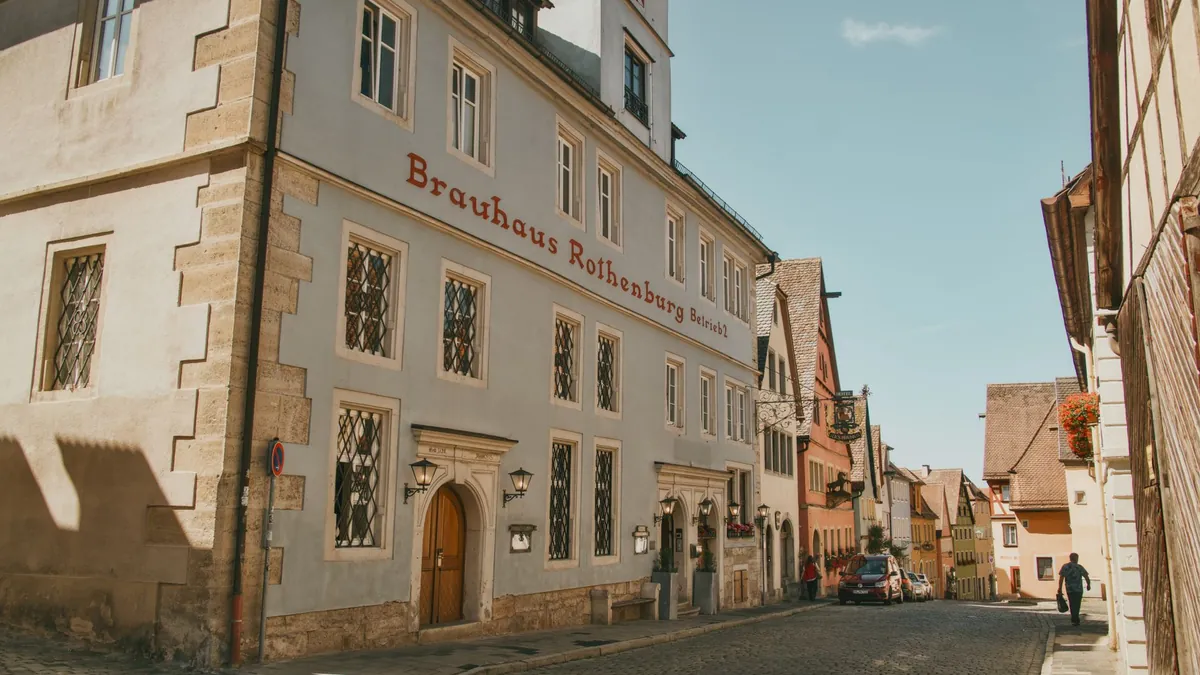
Rothenburg’s intact 14th-century town walls enclose a remarkably preserved medieval streetscape that Berlin’s modern metropolitan energy simply cannot offer. Walking the full 2.4-kilometer rampart circuit at dawn, before tour groups arrive, delivers a genuinely private window into medieval German urban life. Smart packing for these cobblestone-heavy towns matters — a portable luggage scale saves real headaches at regional airports afterward.
- Key Reality: Rampart walking is entirely free, and mid-range guesthouses within the walls start from 65 euros per night.
8. Kotor, Montenegro: Fjord-Surrounded Historic Port and Adriatic Serenity Without Balkan Capital Pressures
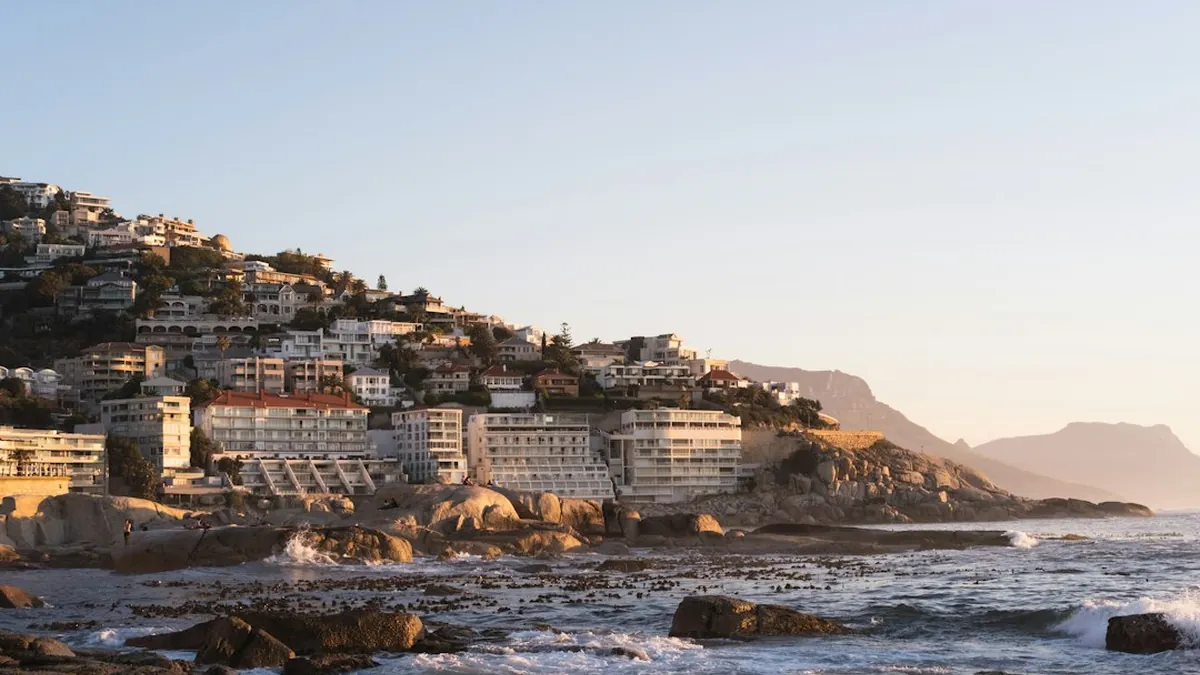
Kotor’s UNESCO-listed old town sits at the dramatic intersection of Europe’s southernmost fjord and Venetian-era fortification walls, creating a setting that feels genuinely otherworldly. Unlike Podgorica’s functional capital energy, Kotor rewards slow exploration with layers of Byzantine, Venetian, and Ottoman architectural storytelling.
- Key Reality: The fortress hike costs 8 euros and offers panoramic Adriatic views that rival anything the Dalmatian Coast charges triple to deliver.
9. Annecy, France: Alpine Lake Beauty and Savoyard Gastronomy in Peaceful Mountain Settings Beyond Paris
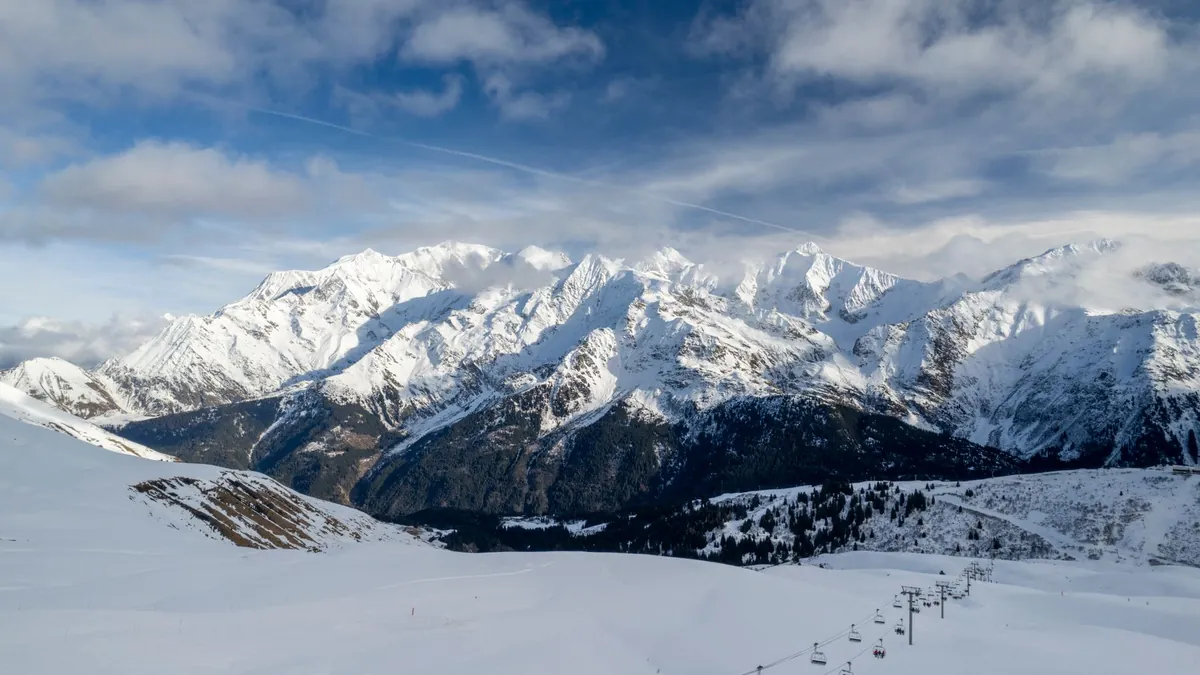
Annecy’s crystalline glacier-fed lake, flower-draped canal bridges, and medieval château create a French Alpine experience that Paris’s urban grandeur simply cannot replicate at any price point. Savoyard specialties like tartiflette and fondue cost 30–40% less here than equivalent Paris bistro pricing, making it a compelling gastronomic alternative. Those planning rail connections from Paris should also know their EU travel delay compensation rights before booking.
- Key Reality: Lake swimming is completely free, and the old town’s canal district is fully walkable within a compact 1.2-kilometer radius.
Europe’s most rewarding travel experiences have never required a capital city address — they’ve simply required the willingness to look 1 train stop further than the obvious choice. These 9 destinations collectively prove that peaceful alternatives to European capitals deliver richer atmosphere, lower costs, and more authentic encounters than their overcrowded counterparts ever could. Have you discovered your own favorite European escape that deserves more attention? Share it in the comments below.