6 European Islands Where Rental Cars Are Banned
As participants in Amazon Associates and other programs, we earn from qualifying purchases. This comes at no additional cost to you. For more details, see our Affiliate Disclosure.
Several European islands have banned rental cars entirely — and breaking those rules can void your rental agreement and leave you stranded with zero legal recourse.
Before you book, know exactly which destinations restrict vehicles and what to expect when you arrive.
1. Hydra, Greece: A Car-Free Mediterranean Sanctuary Preserving Ancient Charm

Hydra is one of the most strictly enforced European islands where rental cars are banned — no motorized vehicles exist beyond emergency services. Donkeys, water taxis, and your own two feet are your only options on this Saronic Gulf gem.
- Key Takeaway: The island does not allow normal daily car traffic, though emergency teams can use approved vehicles when time matters most, including ambulance support for medical emergencies like falls or chest pain.
2. Sark, Channel Islands: Britain’s Last Car-Free Territory with Horse-Drawn Transport

Sark has maintained its car-free status since feudal law was established centuries ago, making it unique even among European islands where rental cars are banned. Horse-drawn carriages and bicycles remain the primary transport, creating an atmosphere frozen beautifully in time.
- Key Takeaway: Tractors are permitted for agricultural use only — tourists caught attempting to bring unauthorized vehicles face immediate legal consequences and removal from the island.
3. Spetses, Greece: Electric Vehicles and Traditional Carriages Replace Rental Cars

Spetses bans privately owned cars from most of the island, and rental cars are completely off the table for visitors. According to rental agreement guidelines, driving into a banned location can void your contract entirely, leaving you financially exposed.
- Key Takeaway: Electric golf carts and horse-drawn carriages are the sanctioned alternatives — book them in advance during peak summer season to avoid being left without transport.
4. Gökçeada, Turkey: Protecting Biodiversity Through Vehicle Restrictions

Gökçeada, Turkey’s largest island, enforces strict vehicle restrictions across its protected ecological zones to preserve rare flora and fauna. Travelers with mobility needs should plan carefully — a recent AARP study on accessible destinations shows 75 percent of travelers over 50 require mobility accommodations.
- Key Takeaway: Local minibuses serve the main routes, but coverage is limited — renting a bicycle or joining a guided tour is the most reliable way to explore restricted zones.
5. Vis, Croatia: Limiting Rental Cars to Preserve Adriatic Island Heritage
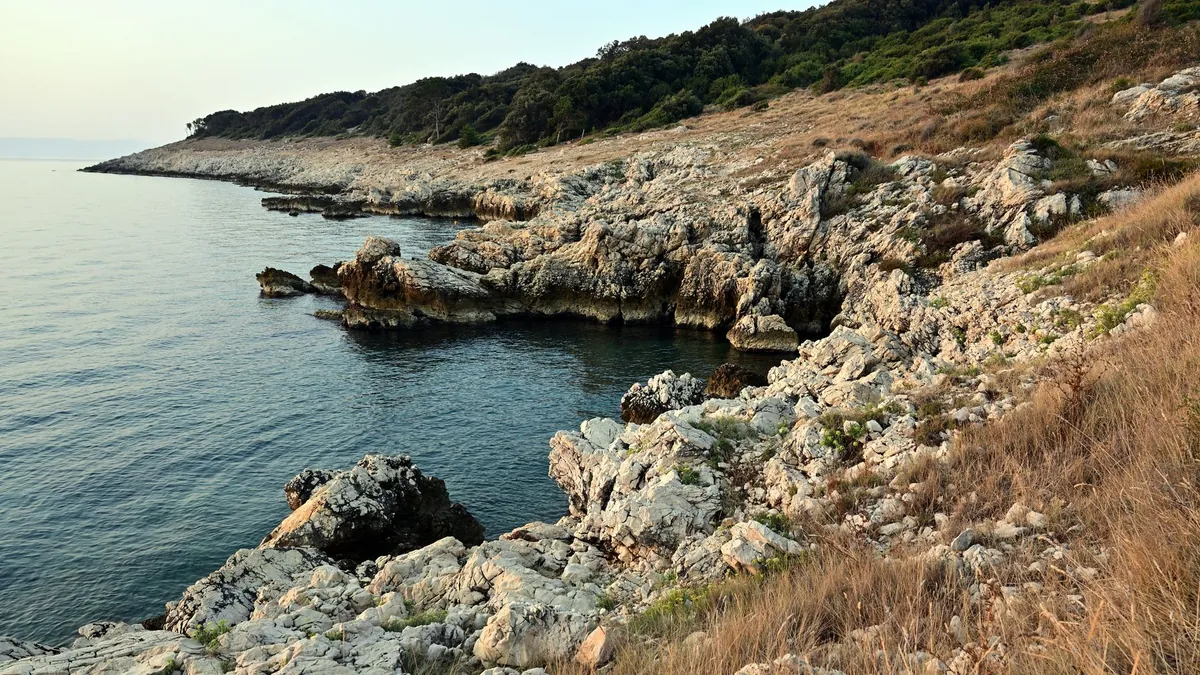
Vis actively limits the number of rental cars permitted on the island each season, making early booking critical for the few available slots. If you’re coordinating a complex itinerary, understanding what happens with missed connecting flights is just as important as securing ground transport.
- Key Takeaway: Scooters and electric bikes are widely available and far easier to navigate through Vis’s narrow coastal roads than any standard rental vehicle.
6. Ponza, Italy: Seasonal Car Bans Protecting Tyrrhenian Sea Island Ecosystems

Ponza enforces seasonal car bans from June through September, making it effectively one of the European islands where rental cars are banned during peak travel months. Only residents with permits may operate vehicles, and emergency services on car-free islands operate under special approved protocols.
- Key Takeaway: Water taxis between Ponza’s coves are both practical and scenic — they’re the fastest way to reach beaches that road vehicles can’t access anyway.