6 Affordable Alternatives to Overcrowded National Parks
As participants in Amazon Associates and other programs, we earn from qualifying purchases. This comes at no additional cost to you. For more details, see our Affiliate Disclosure.
National park visitor numbers have surged dramatically, with NPS visitor use statistics confirming record-breaking attendance at top destinations, making solitude nearly impossible during peak seasons.
These six alternatives to national parks deliver comparable scenery, wildlife, and adventure at a fraction of the cost and crowd density.
1. State Parks with Comparable Terrain and Lower Visitor Density
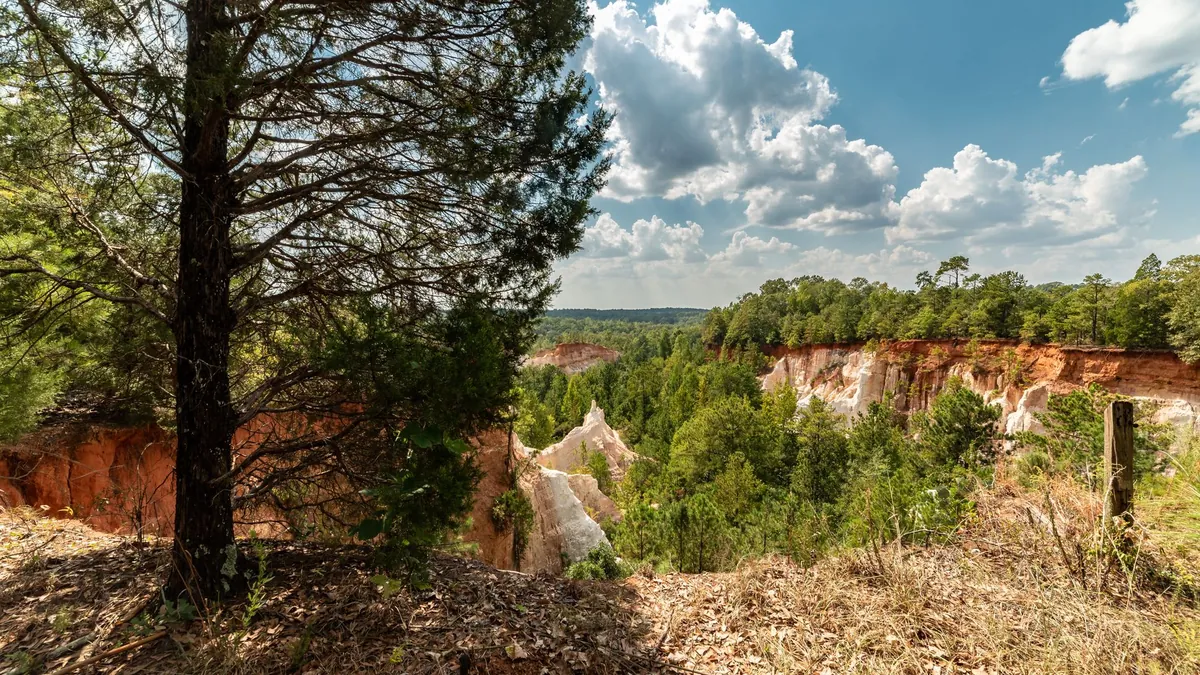
State-managed parks frequently mirror the geological formations and trail quality of national parks while charging minimal or donation-based entrance fees. Many now offer all-terrain electric wheelchairs designed for designated trails, enabling any visitor to explore areas otherwise inaccessible with standard mobility equipment, as highlighted by Virginia’s state parks accessibility program.
- Key Takeaway: State parks deliver near-identical scenery with significantly lower crowd pressure and entrance costs.
2. Bureau of Land Management (BLM) Lands for Unrestricted Exploration
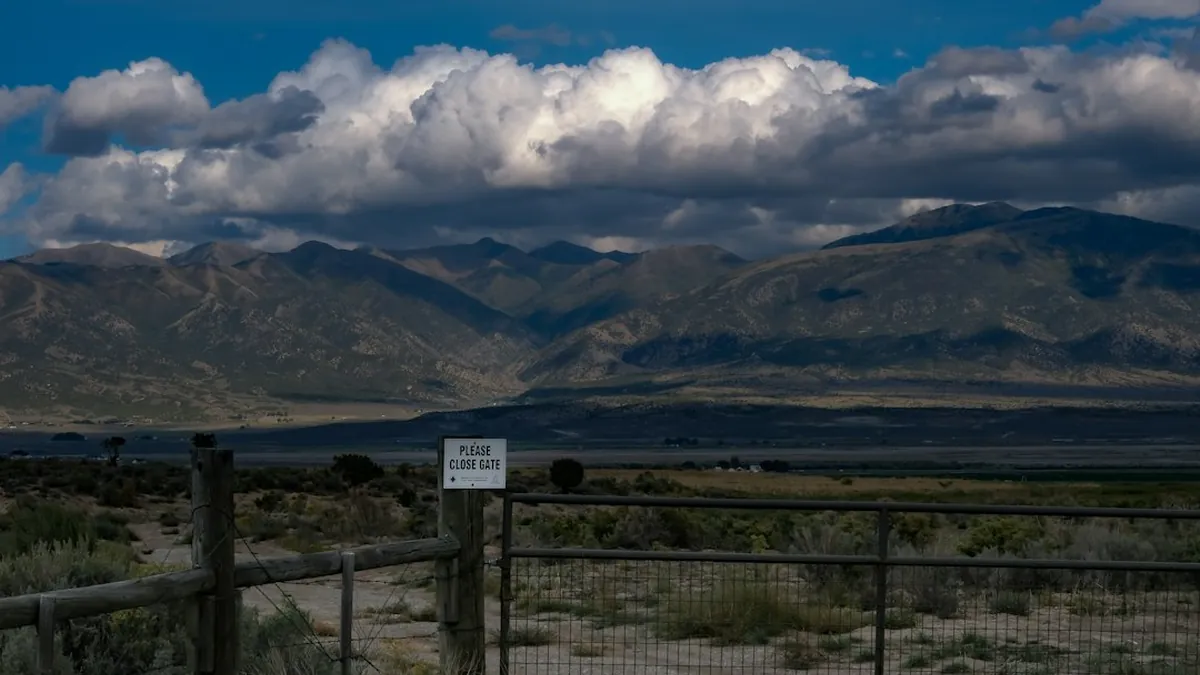
BLM lands cover hundreds of millions of federally managed acres, most with free or minimal-cost entry and virtually no visitor caps. These open landscapes are ideal for hiking, dispersed camping, and wildlife observation without the infrastructure strain found at major national destinations.
- Key Takeaway: BLM lands offer unrestricted, low-cost access to vast wilderness areas rivaling any national park experience.
3. Regional Nature Preserves and Conservation Areas
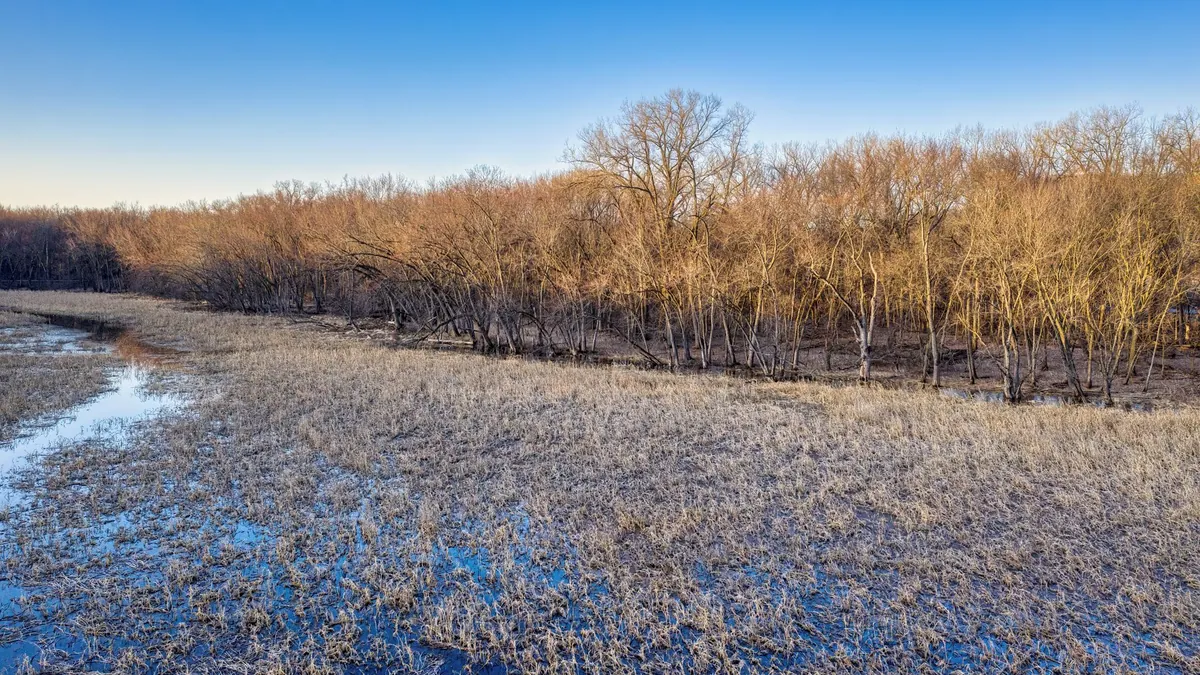
Nonprofit-operated nature preserves protect unique ecosystems while offering guided programs and seasonal workshops at a fraction of national park costs. With wellness travel on the rise, these intimate conservation destinations are increasingly popular among travelers seeking meaningful, low-impact outdoor experiences.
- Key Takeaway: Conservation preserves fund local environmental stewardship while delivering personalized, educational outdoor experiences.
4. National Forests for Backcountry Adventures and Dispersed Camping
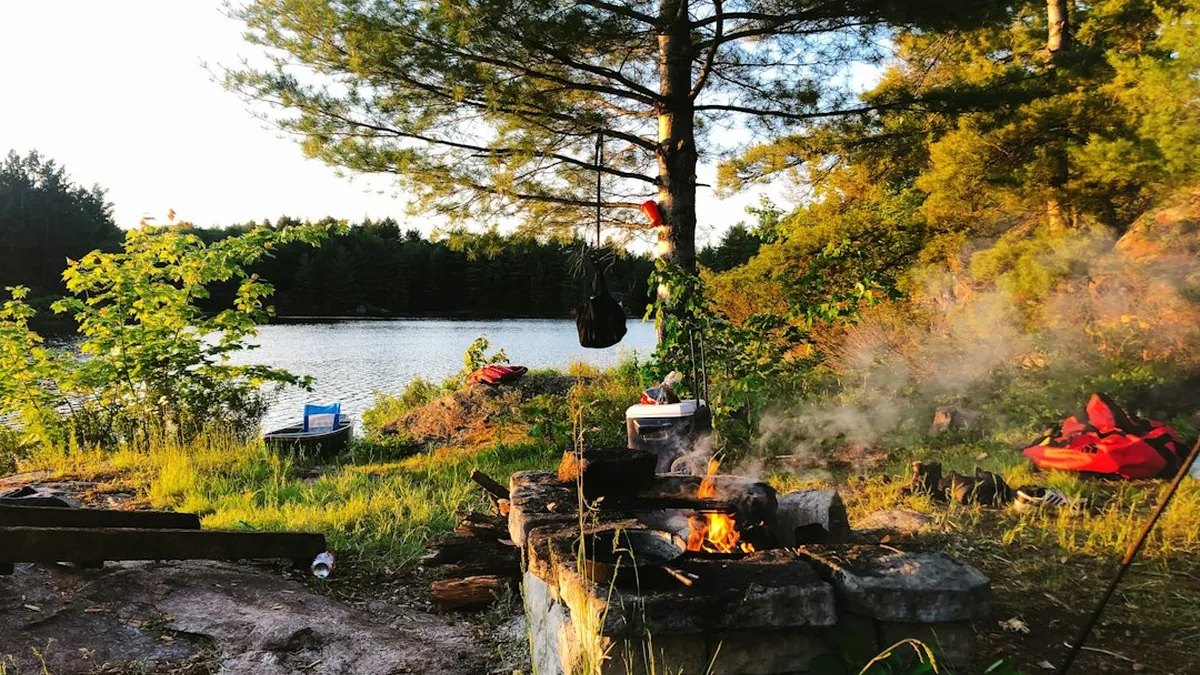
National forests provide extensive trail networks and free dispersed camping opportunities that rival national park wilderness corridors without the heavy regulation. Independent travelers gain far greater flexibility in route planning, campsite selection, and overall exploration compared to tightly managed national park zones.
- Key Takeaway: National forests offer affordable, flexible backcountry access with minimal visitor restrictions or permit bottlenecks.
5. Scenic Byways and Geological Wonders Along Public Highways
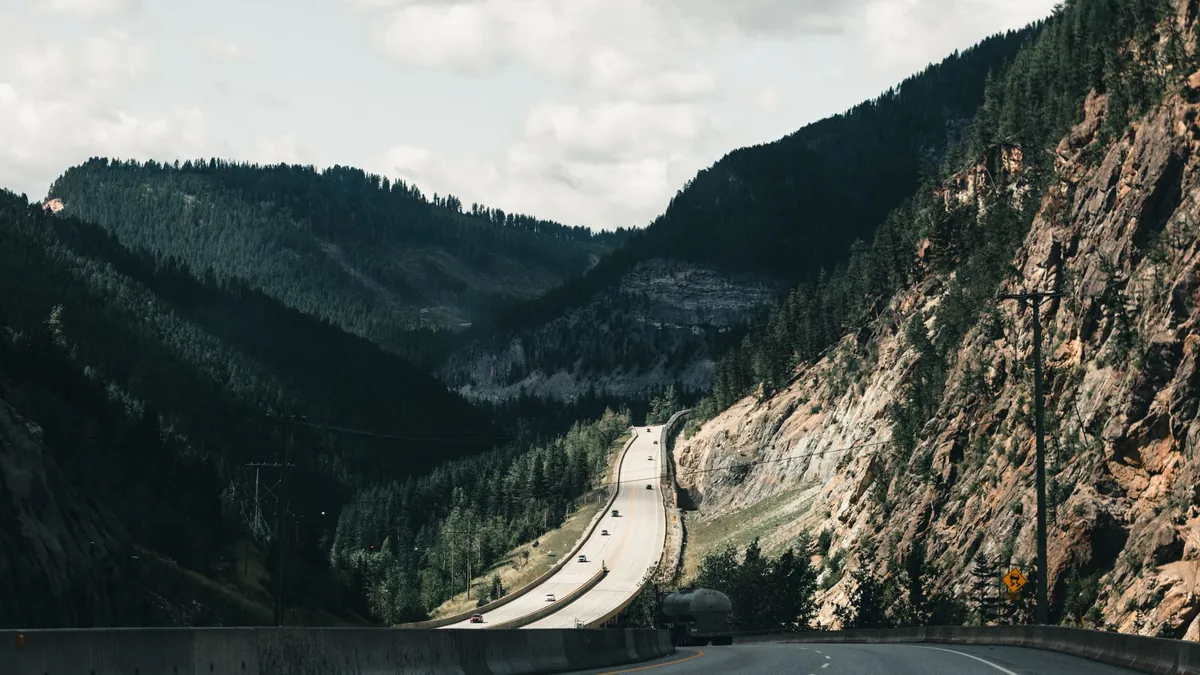
Designated scenic byways eliminate entrance fees entirely while delivering dramatic landscapes, pull-off viewpoints, and interpretive signage comparable to formal park visits. These routes are especially valuable for road-trip travelers exploring California’s seasonal travel windows or other regions with high national park congestion.
- Key Takeaway: Scenic byways provide zero-cost access to stunning geological features with no reservations or timed entry required.
6. Private Land Ecotourism Destinations and Working Ranches
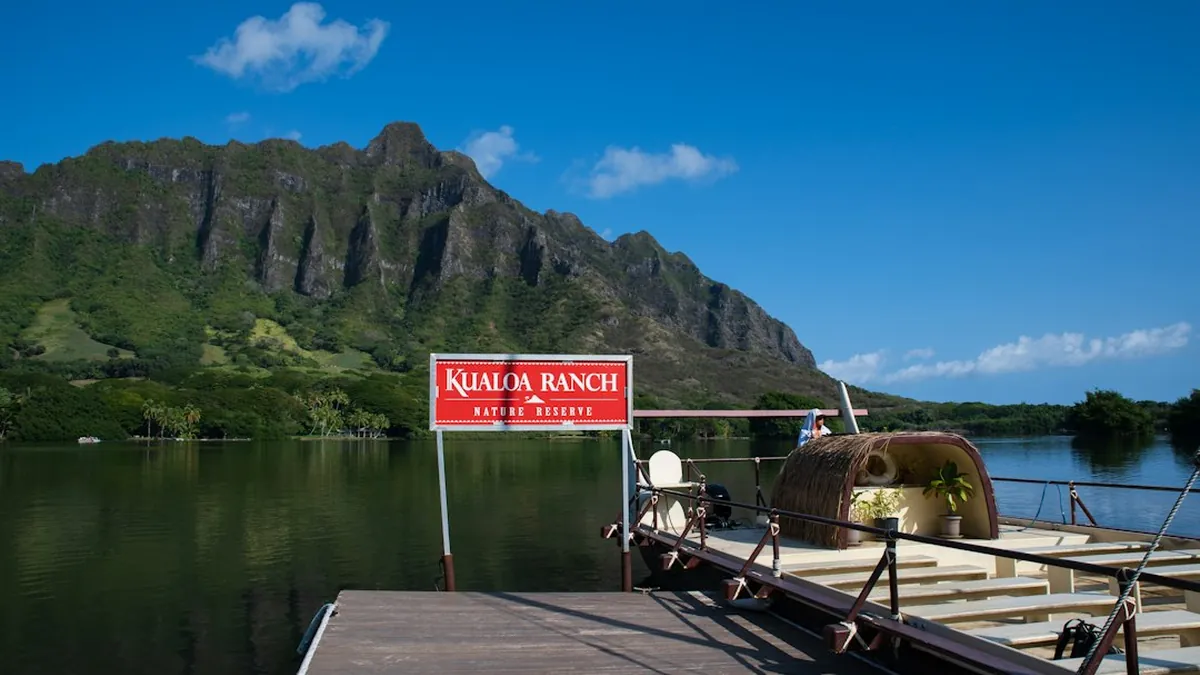
Private ecotourism venues and working ranches offer specialized experiences including wildlife photography, geological tours, and seasonal events unavailable inside national parks. Smaller visitor capacities ensure personalized service and authentic encounters with natural landscapes that crowded federal parks simply cannot replicate.
- Key Takeaway: Private ecotourism destinations maintain intimate group sizes and curated experiences that outperform overcrowded national park visits.