Hotels Report Soft 2026 World Cup Bookings Below Initial Forecasts

As participants in Amazon Associates and other programs, we earn from qualifying purchases. This comes at no additional cost to you. For more details, see our Affiliate Disclosure.
Hotel operators across U.S. host cities for the 2026 FIFA World Cup register room reservations running below early projections. The American Hotel & Lodging Association notes actual bookings lag forecasts even as FIFA reports strong ticket sales for the tournament. Room block cancellations surfaced in several markets over recent weeks.
Association president and CEO Rosanna Maietta attributes the pattern to travelers booking closer to arrival dates than in past cycles. Fans appear to delay accommodations decisions amid broader shifts toward last-minute reservations observed across travel segments. The tournament spans multiple U.S. venues with matches scheduled from June into July 2026.
Industry leaders anticipate a potentially higher proportion of domestic attendees than initially modeled. International fan travel faces variables including visa processing timelines and airfare volatility. No comprehensive national booking volume figures released publicly at this stage of preparations.
The development occurs against FIFA’s stated robust demand for match tickets. Hotels adjust inventory strategies and monitor forward-looking indicators as the event approaches. Tournament organizers and local tourism boards track reservation trends to gauge overall visitor spending impacts.
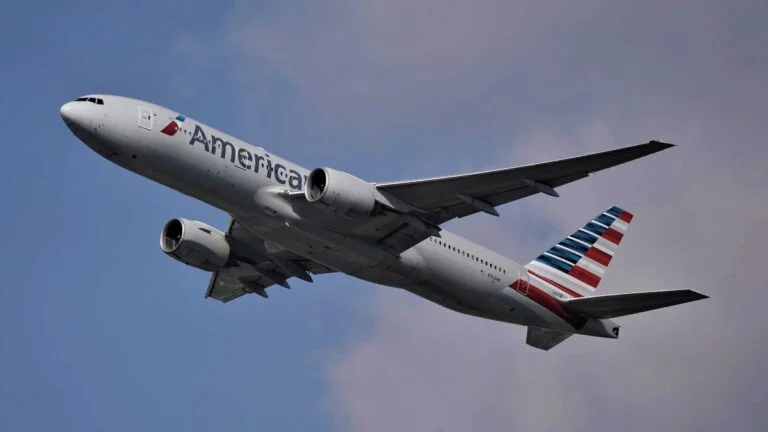
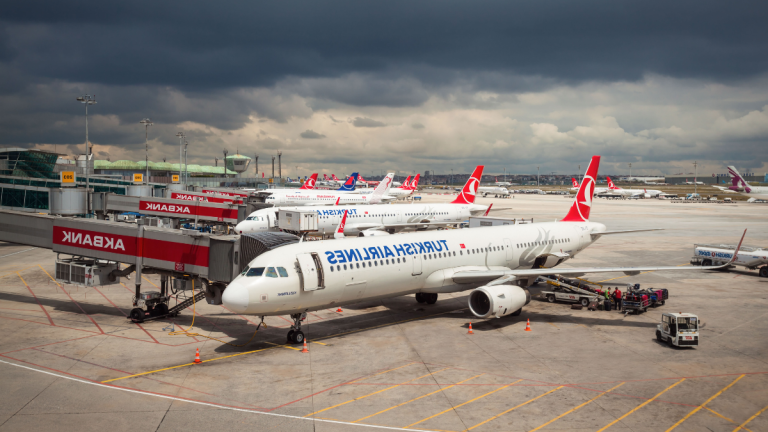
Airlines serving host cities maintain standard schedules without direct linkage to hotel data. Ground transportation and venue operators continue planning based on projected attendance from ticket metrics. The 2026 World Cup marks the first time the event returns to North America since 1994, involving 48 teams under an expanded format.
Hospitality groups emphasize that booking windows for major sporting events often compress in recent years. Consumers cite flexible work patterns and real-time price monitoring as factors influencing timing. Officials avoid speculation on final occupancy rates while stressing ongoing coordination between stakeholders.
No changes announced to FIFA ticketing or official hospitality packages from the hotel sector feedback. Travelers with existing reservations face standard cancellation policies set by individual properties. The association continues dialogue with event planners to align expectations on accommodation supply for the multi-week competition period.
Preparations for the World Cup proceed on multiple fronts including infrastructure and security. Hotel performance data serves as one input among broader economic forecasts for the tournament’s contribution to local and national economies. Monitoring intensifies in the coming months as closer booking periods arrive.