Rome Introduces 2-Euro Fee for Trevi Fountain Access
As participants in Amazon Associates and other programs, we earn from qualifying purchases. This comes at no additional cost to you. For more details, see our Affiliate Disclosure.
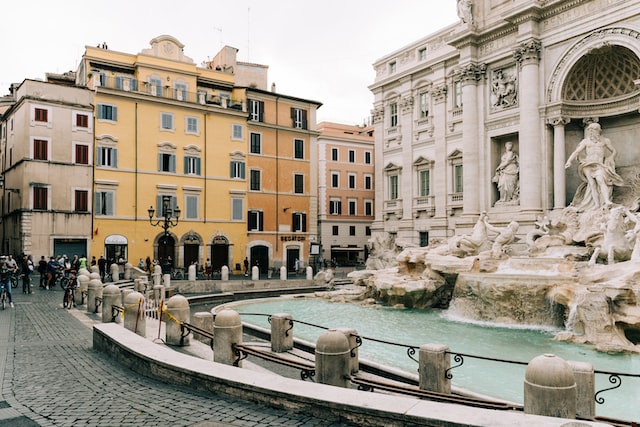
The iconic coin-tossing tradition at Rome’s Trevi Fountain now requires payment for close access. Non-residents must purchase a 2-euro ticket to approach the basin and participate. The measure targets excessive visitor crowds straining the historic site.
The fee applies during peak hours from 9 a.m. or 11 a.m. to 10 p.m., depending on the day. Free entry resumes after 10 p.m. Children under five, people with disabilities, and Rome residents face no charge.
Tickets sell online or through on-site QR codes. Paid visitors gain protection from pickpockets and enforcement against eating or drinking nearby. Proceeds fund site maintenance and additional staffing.
Over 10 million people visited the fountain in 2025. Daily peaks reached 70,000 during high season. Officials project annual revenue between 6.5 million and 20 million euros from the system.
Traditional coins tossed into the water generate about 1.5 million euros yearly. These funds continue donating entirely to Caritas charity programs supporting the poor. The new access fee operates separately from coin collections.
On the policy’s first day, some tourists circumvented payment. Groups threw coins from beyond barriers, with several missing the fountain entirely. Paying visitors ducked to avoid errant throws.
City officials plan increased patrols to prevent potential injuries. Rome tested crowd-control barriers in 2024, limiting physical access. The paid system expands those efforts.
Alessandro Onorato, Rome’s councillor for tourism and major events, described the approach as necessary. Onorato noted: “If the Trevi Fountain were in New York City, they would charge $100 to enter.”
One Argentine visitor named Raul expressed willingness to pay the fee for close viewing. Raul stated: “Two euros is fine to pay to see something like this up close… More than that, maybe not.” He tossed his coin from outside on the launch day.
Similar overtourism controls appear elsewhere in Italy. Venice charges day-trippers during peak periods. Restrictions limit access to sites like Verona’s Juliet balcony and certain popular churches.
The Trevi initiative reflects broader European efforts to balance tourism revenue with site preservation. High-volume attractions increasingly adopt timed or paid entry models. Implementation monitors effectiveness in reducing congestion without deterring visits.