The Colosseum’s Bloody Secrets and Clever Tricks
As participants in Amazon Associates and other programs, we earn from qualifying purchases. This comes at no additional cost to you. For more details, see our Affiliate Disclosure.
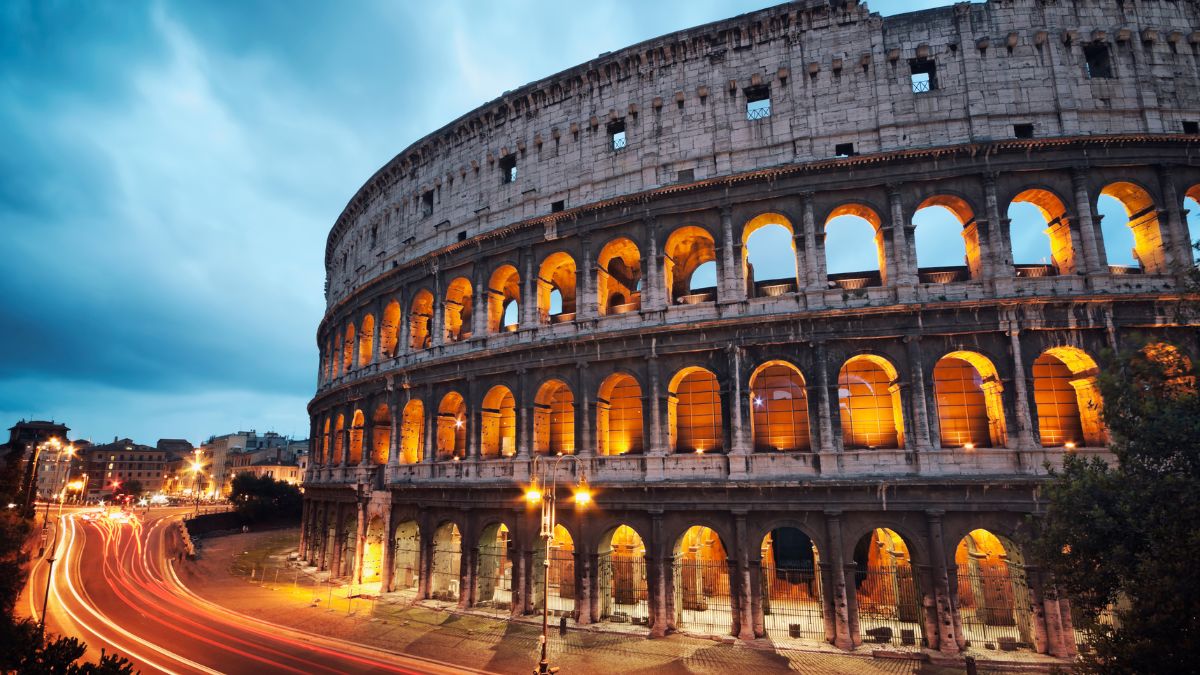
I’m completely captivated by the Colosseum in Rome. This massive stone arena isn’t just a jaw-dropping ruin—it’s a treasure chest of wild stories and clever engineering that make it way more than a tourist magnet. Built nearly 2,000 years ago, it stands as a symbol of Rome’s power, but the quirky details and gritty history are what really hook me.
Back in 80 AD, when Emperor Vespasian’s son Titus opened it with a 100-day party, the Colosseum was the ultimate entertainment hub. It could hold up to 80,000 people, all cheering for gladiator fights, wild animal hunts, and even mock naval battles. But here’s the kicker: the Romans flooded the arena for those sea battles. They had a system of aqueducts and channels to pump water in, turning the dusty floor into a lake for ships to stage dramatic fights. Imagine the logistics of that in a time before modern plumbing.
Gladiators were the rock stars of their day, but not all were slaves or criminals like you might think. Some free men volunteered, chasing fame and cash, though most didn’t live long enough to enjoy it. The Colosseum’s floor was soaked with blood, covered in sand to soak it up—sand that got raked and replaced between fights to keep things tidy. They even had a trapdoor system, with underground tunnels and lifts called the hypogeum, to pop animals and fighters into the arena for surprise attacks. Lions, tigers, and even rhinos burst out to shock the crowd.
Here’s a weird one: the Colosseum had a retractable roof of sorts. They used a massive canvas awning, called the velarium, pulled by sailors to shade spectators from the brutal Roman sun. It was like a giant sail rigged with ropes and pulleys, moved by a team of workers. That’s some serious engineering for a structure that old.
During the Middle Ages, the Colosseum took a beating. Earthquakes shook it, and locals treated it like a quarry, stealing stones for churches and palaces. By some estimates, half its original stone is gone. Yet it still stands, tough as ever. It even served as a makeshift fortress, a cemetery, and a Christian shrine over the centuries.
One grim tale stands out. In 217 AD, a fire sparked by lightning wrecked parts of the upper levels, and repairs took years. Romans believed it was a bad omen, and honestly, with all the death and drama, it’s easy to see why they’d think the gods were pissed. The Colosseum wasn’t just about spectacle—it was a stage for Rome’s highs and lows.
Fast forward to today, and it’s still a beast. About 7 million people visit yearly, climbing its steep steps and peering into the maze of tunnels below. The Italian government keeps it patched up, fighting time and pollution to preserve it. They’ve even found traces of ancient graffiti—names and curses scratched by spectators who sat there centuries ago.
The Colosseum’s not just a pile of old stones. It’s a time machine, packed with tales of blood, ingenuity, and survival. Next time you’re in Rome, walk its arches and picture the roars of the crowd, the splash of fake seas, or gladiators rising from trapdoors. It’s a place that’s seen it all and still stands tall.