Hotel Room Size Unraveled: Finding the Perfect Space for Your Comfort and Convenience
As participants in Amazon Associates and other programs, we earn from qualifying purchases. This comes at no additional cost to you. For more details, see our Affiliate Disclosure.
Finding the right hotel room size often feels like a balancing act between your personal budget and your desired level of comfort. Many travelers prioritize the physical location of the property or the nightly price without realizing how much the actual footprint of their room will impact their overall satisfaction.
Modern hospitality trends show that a well designed layout can make a small area feel much larger than its measured dimensions suggest. Understanding how to evaluate these spaces helps you choose the best environment for your next journey and ensures that you have a place to recharge. The importance of hotel room size remains a primary concern for travelers who want to maximize their experience while staying away from home.
Understanding Standard Room Dimensions
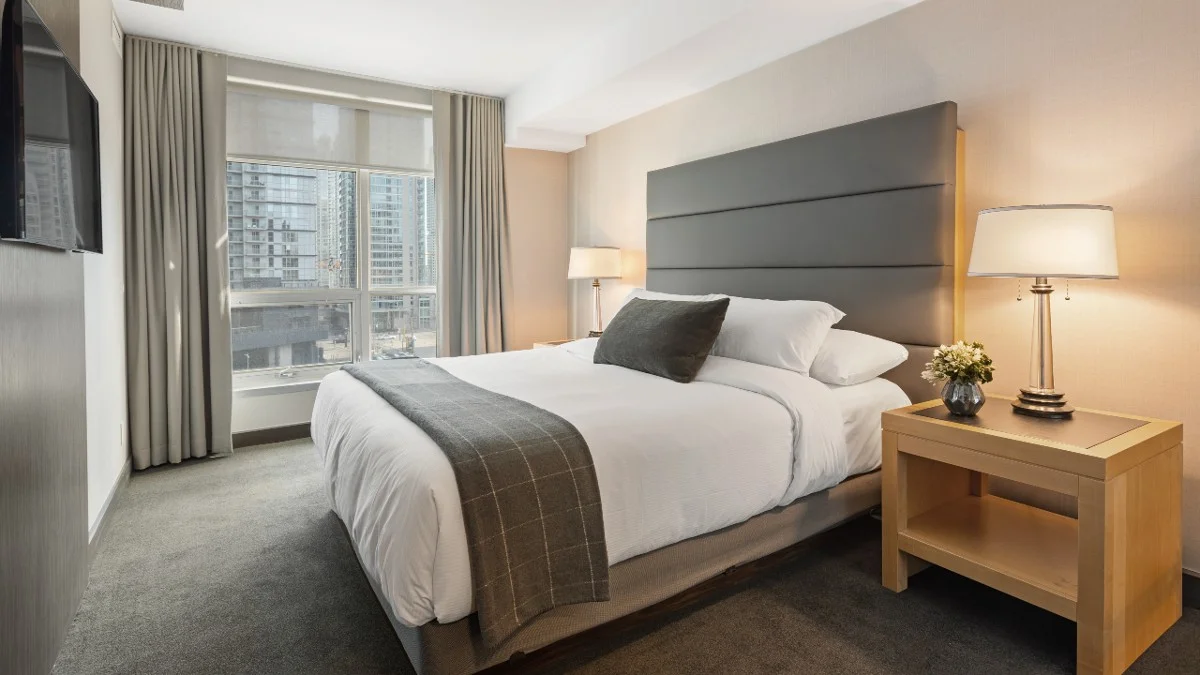
Most travelers encounter standard room dimensions when they book a typical mid range hotel in a suburban or airport location. These areas usually offer enough square footage for a queen or king bed and a small desk and a basic bathroom setup. While the footprint might seem modest on paper, it is designed to be highly functional for someone who spends most of their day exploring.
The actual measurements can fluctuate significantly based on the geographic location and the architectural history of the property. Urban hotels in major cities like New York or London tend to offer much tighter quarters due to the high value of real estate. In contrast, newer developments in expanding tourist regions often provide more sprawling layouts even at the entry level price point.
Efficient furniture placement plays a critical role in making these areas feel functional for guests. Designers often use multi purpose pieces like ottomans that double as storage or desks that fold into the wall to save space and ensure that there is enough walking room around the bed. This thoughtful approach to interior design helps maintain a clear path and prevents the room from feeling overcrowded.
Selecting a room with these standard measurements is usually the most cost effective choice for short business trips or quick weekend getaways. It provides all the essential necessities without requiring you to pay for extra square footage that you might not use during your stay. Guests who spend very little time in their room often find that these compact spaces meet their needs perfectly.
Creating a Comfortable Living Space
A truly comfortable living space depends on more than just the total number of square feet available within the four walls. Proper ventilation and ceiling height can drastically change how a guest perceives the volume and openness of the room. A high ceiling creates a sense of grandeur and airiness that makes even a narrow floor plan feel much more expansive and welcoming.
Large windows that allow natural light to flood the interior can make even a modest area feel open and bright. This visual connection to the outside world prevents the feeling of being cramped or confined during long stays and improves the mood of the traveler. Many modern hotels now prioritize floor to ceiling glass to blur the lines between the indoor environment and the surrounding cityscape.
High quality materials and soft textures also contribute to the overall sense of ease within the environment. When the finishes are well chosen, the physical boundaries of the room seem less restrictive and more like a curated sanctuary. The use of mirrors is another common design trick used to reflect light and create the illusion of additional depth in the room.
Smart zoning within the room allows for a clear distinction between where you sleep and where you relax or work. Even in smaller units, a well placed chair or a small rug can create a mental separation that enhances your comfort levels. This psychological division of space is essential for guests who need to transition from a busy workday to a restful night of sleep.
Enhancing Your Travel Convenience
Maximizing travel convenience often requires a strategic look at how the room layout supports your daily routine and storage needs. Easy access to power outlets and charging stations is a modern necessity that should be integrated directly into the furniture. A room that places these utilities within reach of the bed or the desk makes the guest experience much more seamless.
Innovative storage solutions like open shelving and wall hooks help keep your belongings organized without taking up precious floor space. This level of organization ensures that you can find what you need quickly when you are on a tight schedule or preparing for a big meeting. By removing bulky wardrobes and replacing them with streamlined racks, hotels can free up several square feet of walking space.
The proximity of the room to hotel elevators or guest services can also play a major role in your overall experience. Choosing a floor plan that minimizes transit time within the building adds an extra layer of efficiency to your trip especially when you are carrying heavy luggage. Many guests prefer rooms near the stairs or the lobby to avoid long walks through winding corridors.
Many properties now offer digital check in options that allow you to see the exact location and configuration of your unit before you arrive. This technology gives you the power to select a space that perfectly matches your personal needs for quiet or accessibility. Utilizing these digital tools ensures that there are no surprises when you finally open the door to your accommodation.
Exploring Luxury Suite Layouts
When travelers decide to upgrade their experience, they often look toward luxury suite layouts to provide a more residential and high end feel. These expansive areas usually include separate living and sleeping quarters to mimic the comfort of a private home. Having a dedicated lounge area allows you to entertain guests or simply relax without being confined to the bed.
High end accommodations frequently feature specialized zones for dining or working that are completely isolated from the rest of the unit. This allows business travelers to host small meetings or finish complex projects without disturbing their personal relaxation space. The presence of a separate kitchen or a wet bar also adds a level of autonomy that is not found in standard rooms.
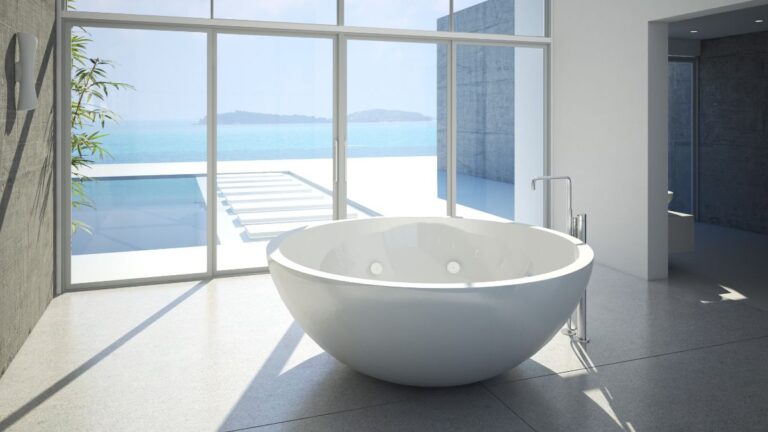
Bathrooms in these larger configurations often serve as private spas with large soaking tubs and walk in rain showers. The extra square footage dedicated to personal care transforms a simple utility into a significant part of the guest experience and adds to the sense of indulgence. Double vanities and private dressing areas ensure that two people can prepare for their day without getting in each other’s way.
Investing in a larger suite is particularly beneficial for families or groups who need shared areas for gathering and social interaction. The increased privacy and additional amenities justify the higher cost for those who value space and exclusivity above all else. These premium layouts provide a sanctuary where travelers can truly unwind and enjoy their surroundings in total peace.