9 Pristine Caribbean Beaches Free From Seaweed
As participants in Amazon Associates and other programs, we earn from qualifying purchases. This comes at no additional cost to you. For more details, see our Affiliate Disclosure.
The Caribbean dream — turquoise water, white sand, zero stress — is colliding hard with a biological reality that no Instagram filter can fix. According to the University of South Florida, 2026 is officially the second-largest sargassum year in the satellite record, trailing only 2025, and the economic fallout is staggering: Miami-Dade taxpayers alone spend close to $4 million annually just on tractor removal.
Most travelers assume any Caribbean booking guarantees pristine shorelines, but geography and ocean current dynamics tell a far more complicated story. The beaches that consistently escape the worst of it aren’t random — they share specific structural advantages in location, exposure, and active management that savvy travelers are only beginning to factor into their planning.
1. Eagle Beach, Aruba – Leeward Protection and Consistent Clarity
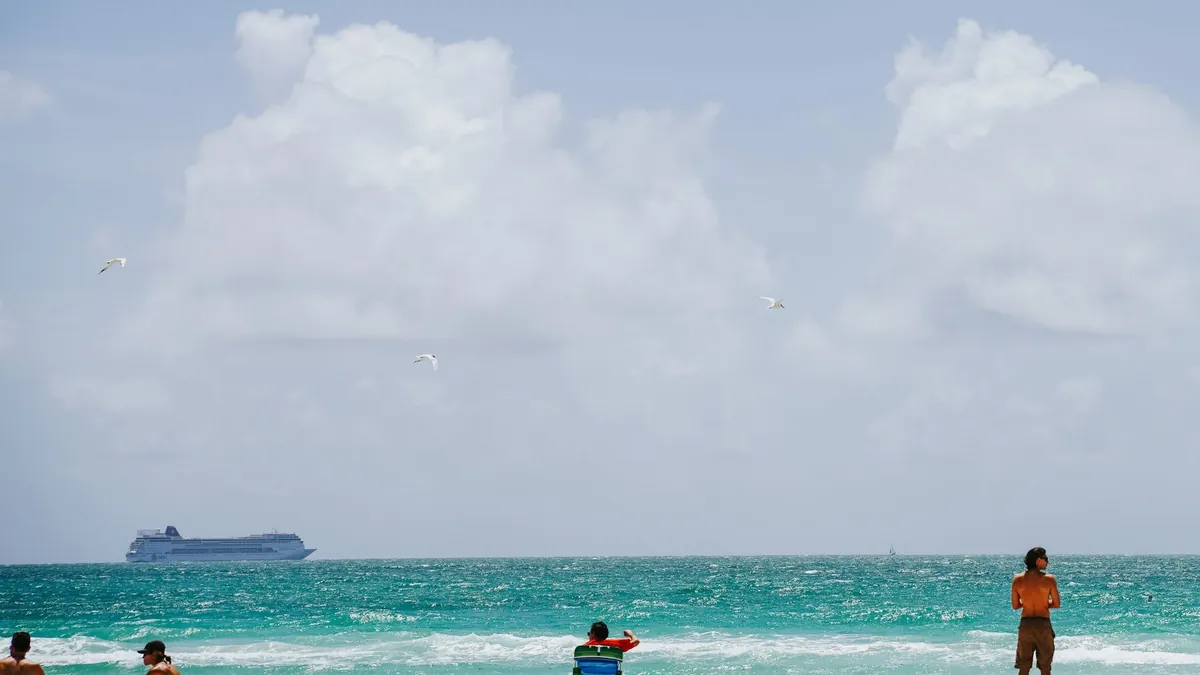
Aruba sits outside the hurricane belt and, critically, on the leeward side of prevailing Atlantic winds that push sargassum toward more exposed coastlines. Eagle Beach benefits from this positioning year-round, making it one of the most reliably clear Caribbean beaches without seaweed in the region. Its wide, uncrowded stretch also allows resort crews to manage any minor incursions efficiently.
- Key Reality: Aruba’s consistent trade winds actively deflect incoming sargassum mats before they reach shore.
2. Malmok Beach, Aruba – Western Exposure Away From Sargassum Currents
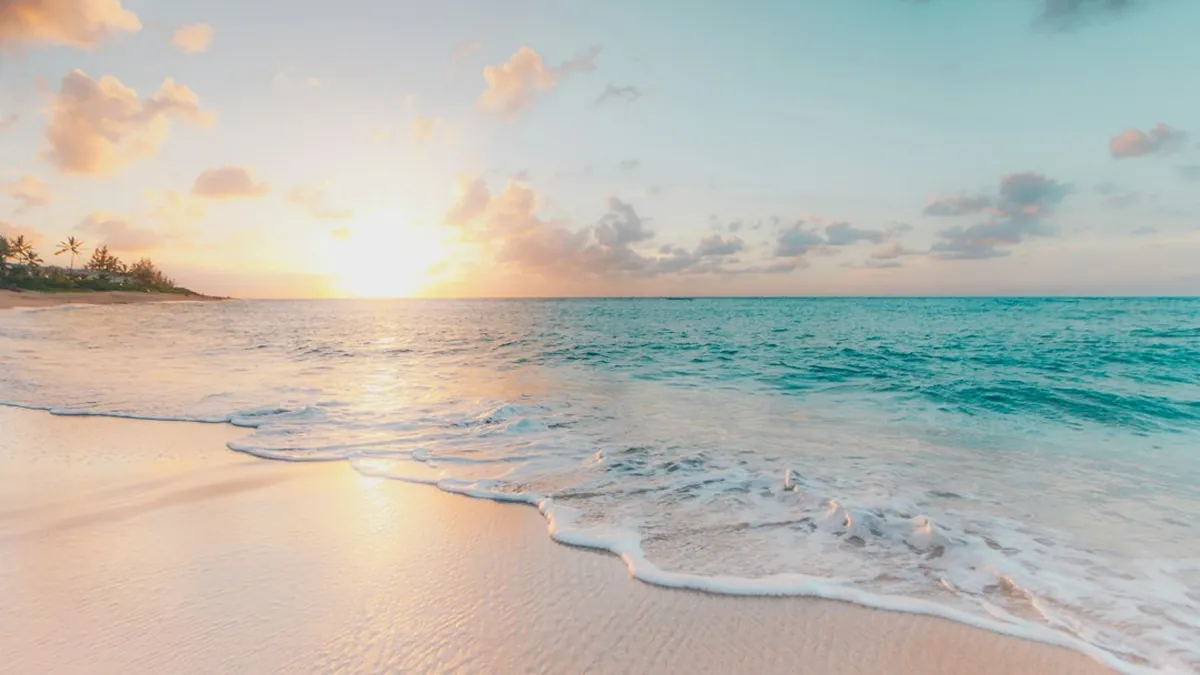
Malmok sits on Aruba’s northwestern tip, placing it at a geographic angle that interrupts the primary sargassum drift corridors flowing up from the Great Atlantic Sargassum Belt. The beach is smaller and rockier than Eagle, attracting snorkelers over sunbathers, which keeps crowds manageable. Its western orientation means sargassum-laden eastern swells rarely arrive with meaningful volume.
- Key Reality: Malmok’s rocky substrate also discourages sargassum accumulation compared to fine-sand beaches nearby.
3. Sunscape Curaçao Resort Beach – Sheltered Bay with Active Seaweed Management
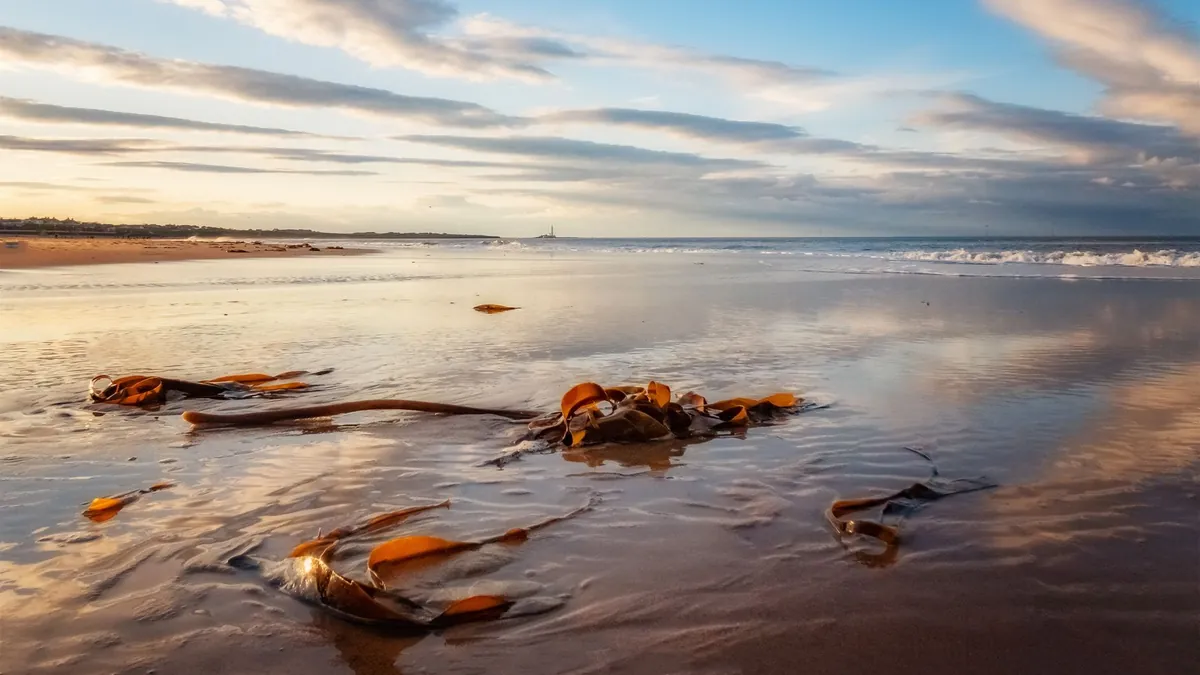
Curaçao’s southern coastline is naturally sheltered from the open Atlantic, and resort-managed beaches like Sunscape’s add a second layer of defense through daily mechanical removal operations. The cost burden on beachfront hotels runs roughly $4,000 per year at minimum, and properties at this level invest significantly more. That financial commitment translates directly into consistently cleaner sand for guests.
- Key Reality: Curaçao’s position south of the main sargassum belt gives it a structural head start before management even begins.
4. Pink Beach, Bonaire – Southern Positioning and Natural Current Deflection
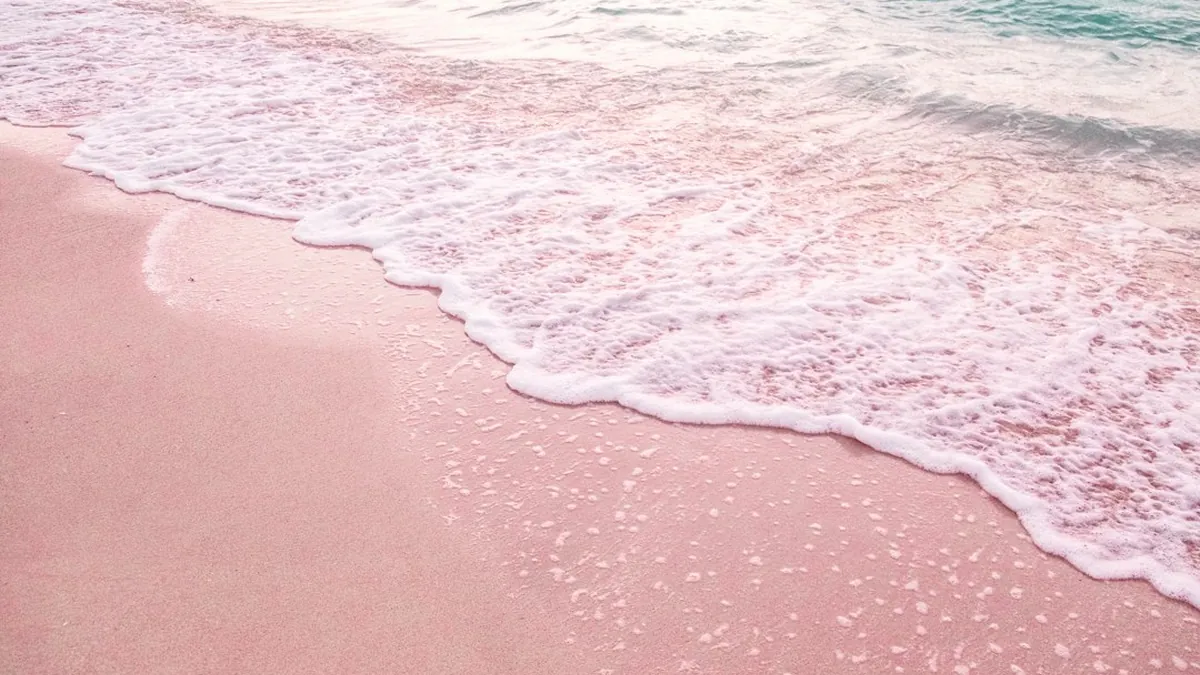
Bonaire’s Pink Beach earns its reputation not just for its blush-tinted coral sand but for its remarkably consistent clarity throughout the year. The island’s southern latitude places it below the primary sargassum accumulation zones that plague more northerly Caribbean destinations. Natural current patterns around Bonaire’s coast further redirect floating mats away from its most popular swimming areas.
- Key Reality: Bonaire’s marine protected area status also limits coastal development that could otherwise trap sargassum.
5. Paradise Island Beach, Bahamas – Atlantic Current Dynamics and Seasonal Advantage
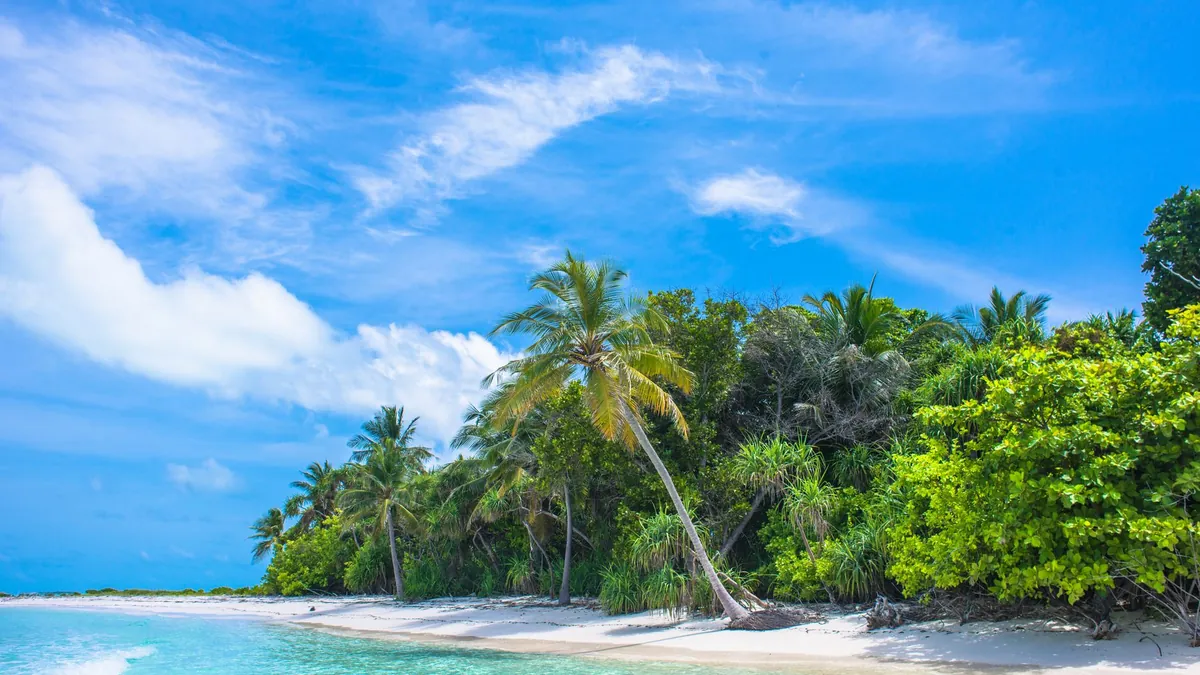
Paradise Island benefits from the Gulf Stream’s influence, which creates current dynamics that can push sargassum mats past rather than onto its shores during key travel months. The Bahamas’ northern positioning in the Atlantic means seasonal windows — particularly late autumn and winter — offer reliably cleaner conditions. Before booking, savvy travelers cross-reference conditions using resources like howisthesargassum.com, which updates ratings based on real-time webcam and satellite data.
- Key Reality: Conditions are rated Clear, Light, Moderate, or Heavy — and can shift overnight after a single wind event.
6. Doctor’s Cave Beach, Jamaica – North Coast Leeward Benefits and Resort Maintenance
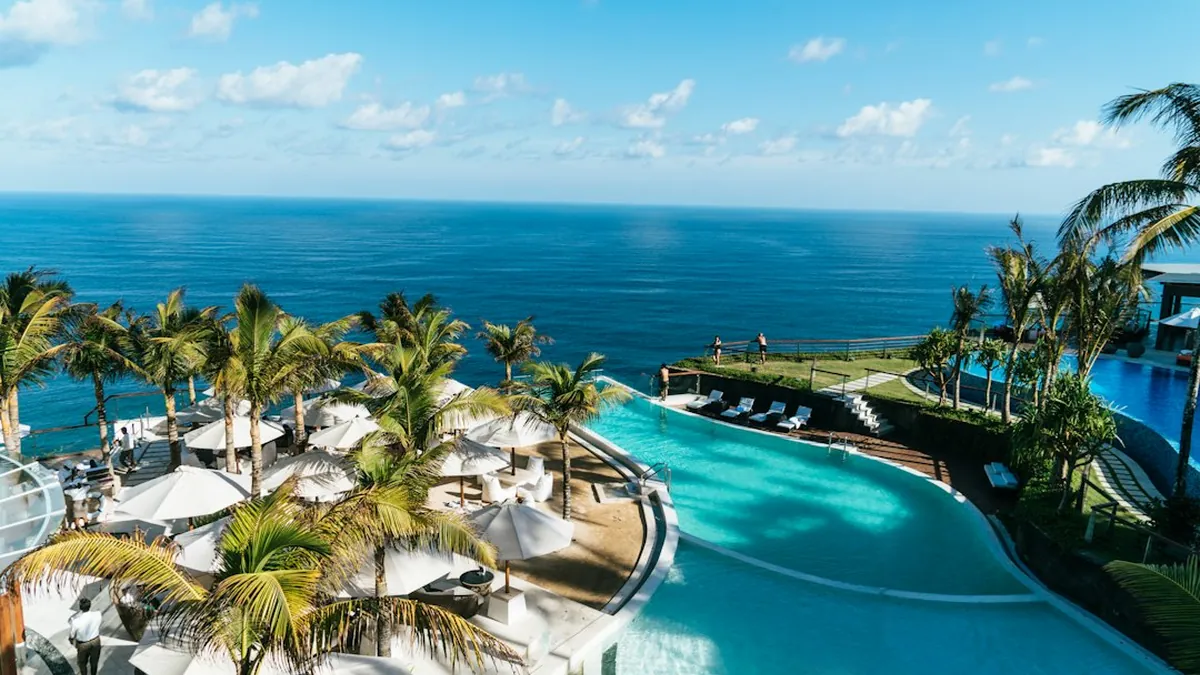
Doctor’s Cave Beach in Montego Bay sits within a naturally sheltered cove that limits open-water sargassum intrusion compared to Jamaica’s more exposed eastern shores. The beach is privately managed, with daily raking and removal operations that maintain its postcard-worthy appearance consistently. It’s worth noting that the EPA has flagged that decaying sargassum releases hydrogen sulfide and ammonia, posing real respiratory and neurological health risks — a fact that makes active management here genuinely valuable.
- Key Reality: Admission fees at Doctor’s Cave directly fund the maintenance operations that keep it reliably clear.
7. Shoal Bay, Anguilla – Eastern Caribbean Positioning and Minimal Sargassum Impact
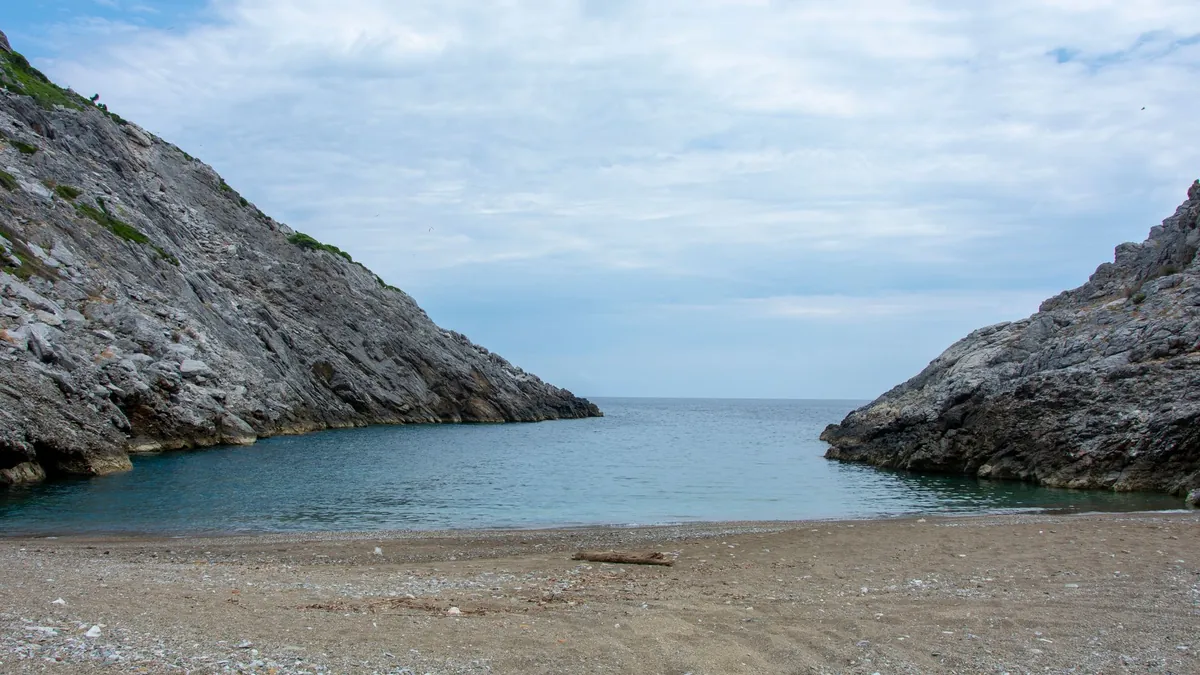
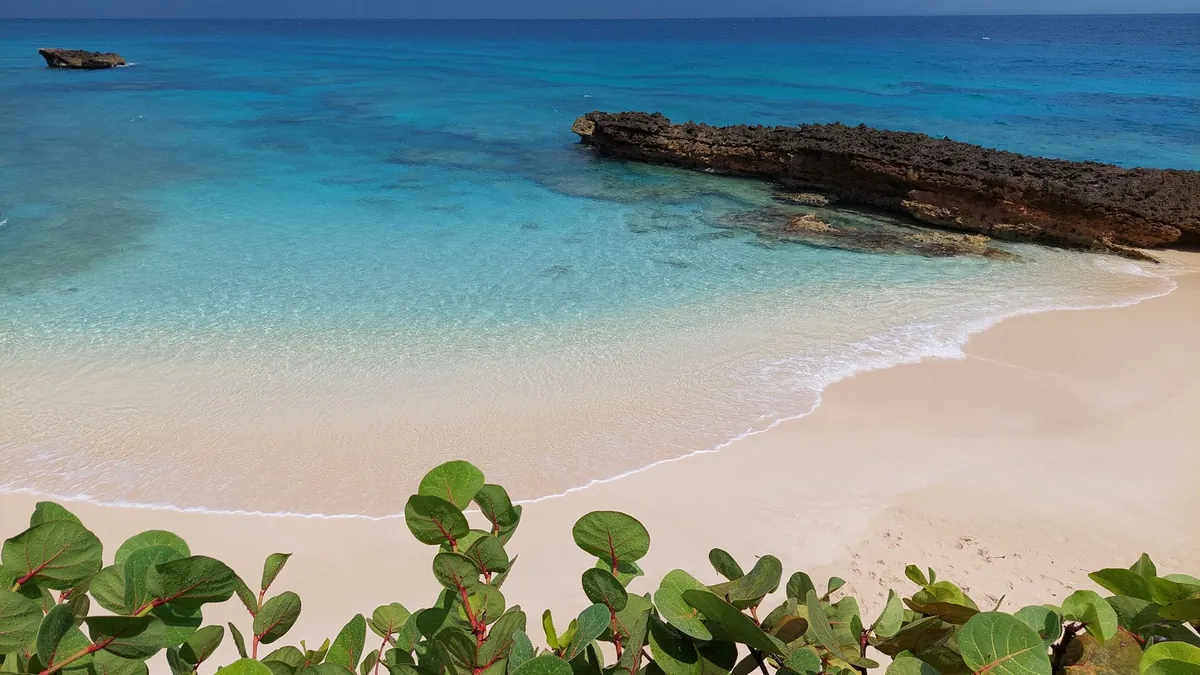
Anguilla consistently ranks among the Caribbean’s most pristine island destinations, and Shoal Bay exemplifies why geography matters more than marketing. Its eastern Caribbean positioning places it in a zone where sargassum concentrations are measurably lower than in the central Atlantic drift corridor. When planning a trip here, double-checking hotel review authenticity is smart, since some properties oversell their beach conditions during heavier sargassum seasons.
- Key Reality: Anguilla’s strict development controls preserve the natural coastal dynamics that keep beaches like Shoal Bay clear.
8. Meads Bay, Anguilla – Consistent Clean Waters Through Geographic Shielding
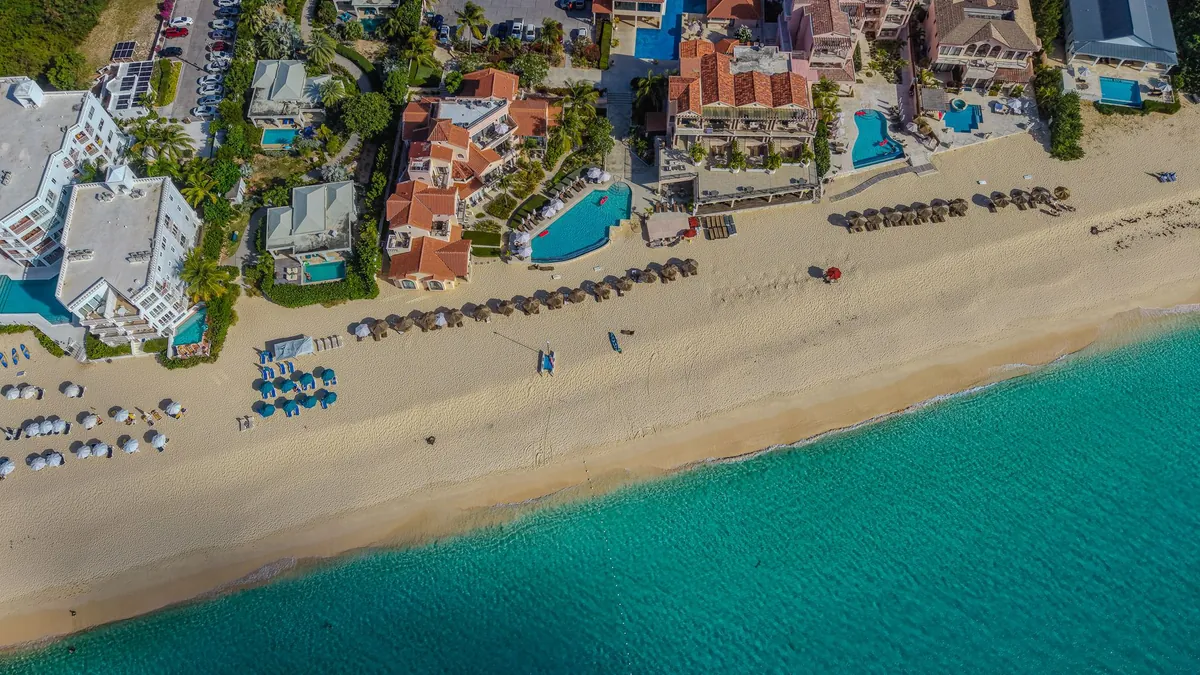
Meads Bay sits on Anguilla’s northwestern coast, where the island’s own landmass acts as a natural barrier against the dominant eastern sargassum drift. The bay’s calm, shallow waters rarely see significant accumulation, and its luxury resort corridor ensures any minor deposits are removed before guests reach the shoreline. It’s the kind of beach that rewards travelers who do their homework before booking flights — including locking in smart deals using guidance on the best week in October to book holiday flights.
- Key Reality: Meads Bay’s northwest-facing orientation is a key structural reason it outperforms many other Anguilla beaches in clarity.
9. Sapodilla Bay, Turks and Caicos – Southern Latitude Protection and Year-Round Clarity
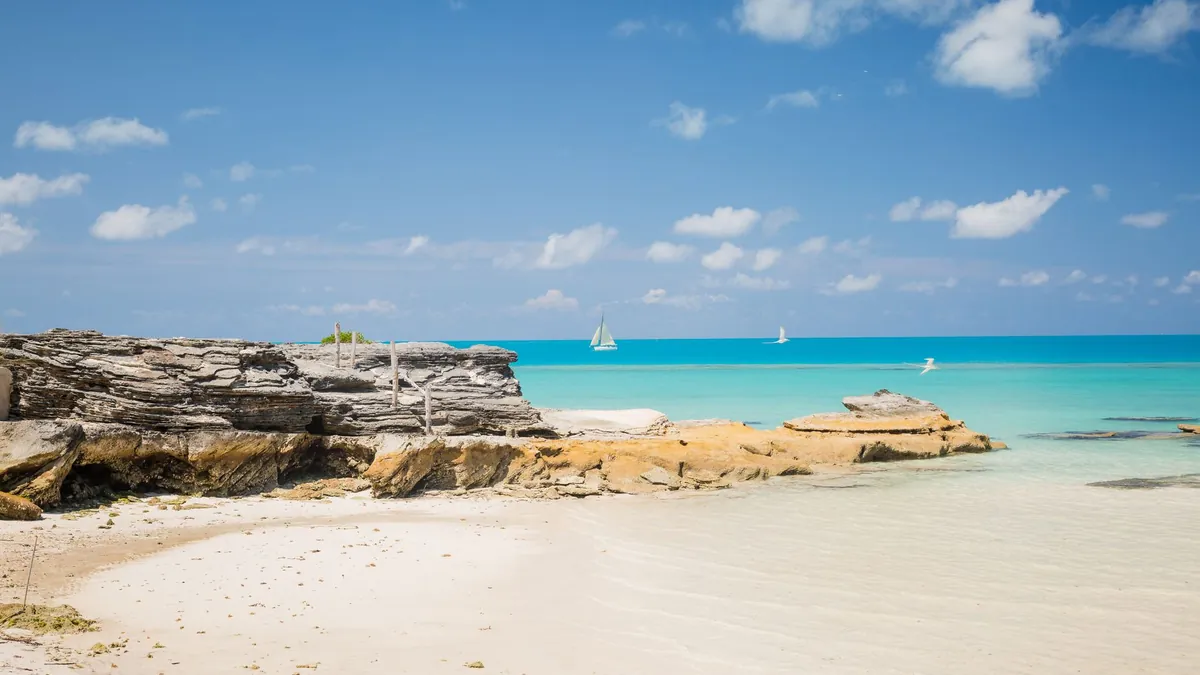
Sapodilla Bay on Providenciales’ southwestern tip is arguably the most structurally protected beach on this entire list, sitting behind a natural reef system that intercepts floating mats before they reach shore. Its southern latitude and sheltered cove geometry create conditions that remain clear even during peak sargassum months when other Caribbean destinations are struggling. Year-round calm waters and shallow depth make it particularly popular with families seeking guaranteed clarity.
- Key Reality: Sapodilla Bay’s reef barrier provides passive, cost-free sargassum filtration that no management budget can fully replicate.
Finding Caribbean beaches without seaweed in 2026 is entirely possible, but it requires treating geography and real-time monitoring as non-negotiable parts of trip planning rather than afterthoughts. The beaches above earn their reputations through structural advantages that no amount of wishful booking can manufacture for less fortunate shores — drop your own firsthand beach conditions report in the comments below.
[/