8 National Parks With Peak Autumn Foliage in Late October
As participants in Amazon Associates and other programs, we earn from qualifying purchases. This comes at no additional cost to you. For more details, see our Affiliate Disclosure.
Every October, millions of travelers chase the same postcard fantasy — a sea of red and orange leaves framed by mountain light — only to arrive a week too early or a week too late. The window for national parks autumn foliage in late October is narrower, more dramatic, and far more rewarding than most itineraries account for. Timing, elevation, and regional climate all conspire to make or break the experience.
The popular assumption that peak foliage ends by mid-October is one of the most persistent myths in fall travel, and it costs visitors the most spectacular displays of the season. Lower elevations, southern latitudes, and coastal microclimates routinely push color intensity well past the 20th — and the parks that benefit most are often the ones least prepared for the crowds that follow. If you’re mapping out fall road trips in North America, these 8 destinations deserve the top of your list.
1. Great Smoky Mountains National Park: Peak Maple and Oak Display Across Elevation Zones
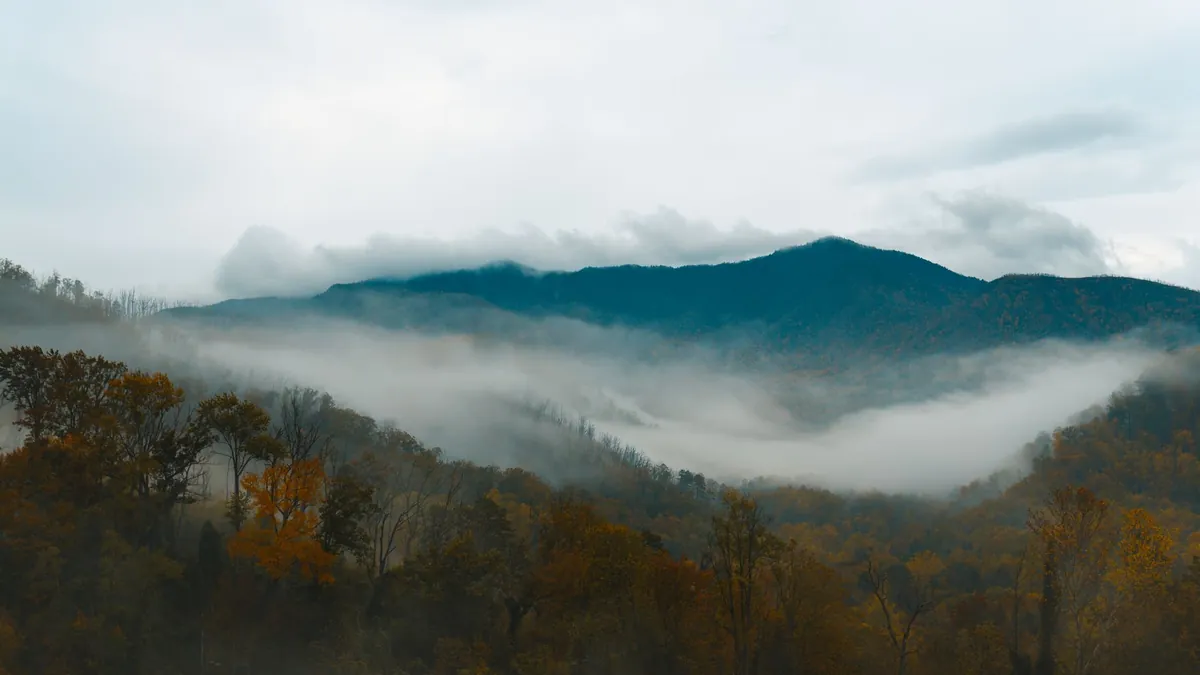
The Smokies operate like a natural color calendar, with lower elevations hitting their fiery peak between October 20 and November 5. Maple, oak, and tulip poplar ignite in layered waves that roll down from Clingmans Dome toward the valley floors, creating a staggered display no single-elevation park can replicate. Arrive early on weekdays — the National Park Service confirms that crowding at popular scenic viewpoints within one-quarter mile of parking lots is severe during peak weekends.
- Key Reality: Late October visitors at lower elevations typically see 80–95% color saturation — the park’s absolute visual maximum.
2. Acadia National Park: Coastal New England Hardwoods at Maximum Color Intensity
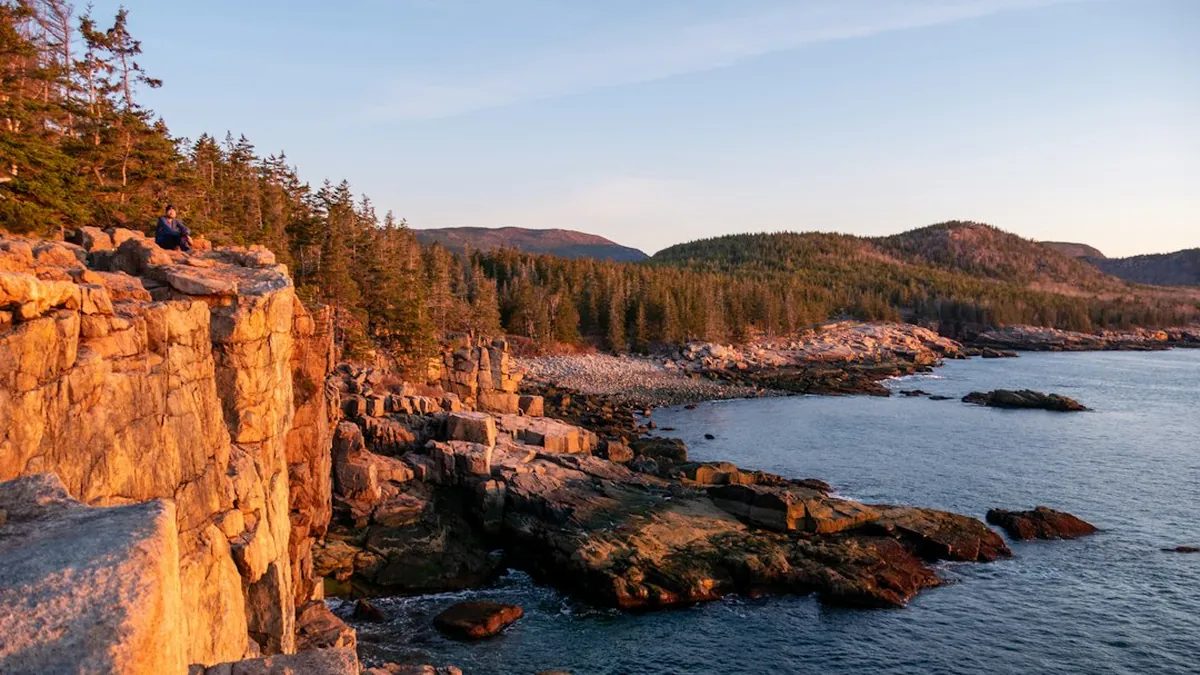
Acadia’s granite coastline and cold Atlantic air create a uniquely compressed foliage season that burns brilliantly through late October. Beech, birch, and red maple along the carriage roads reach their deepest crimson and gold precisely when most visitors assume the show is over. The park’s lakes and ponds become extraordinary natural mirrors for vibrant foliage — photographers targeting early morning light will find the reflections on Jordan Pond nearly unmatched anywhere in the Northeast.
- Key Reality: Ocean Path and the summit of Cadillac Mountain offer 270-degree color panoramas with minimal trail congestion after October 20.
3. Rocky Mountain National Park: High-Elevation Aspen Groves in Golden Transition
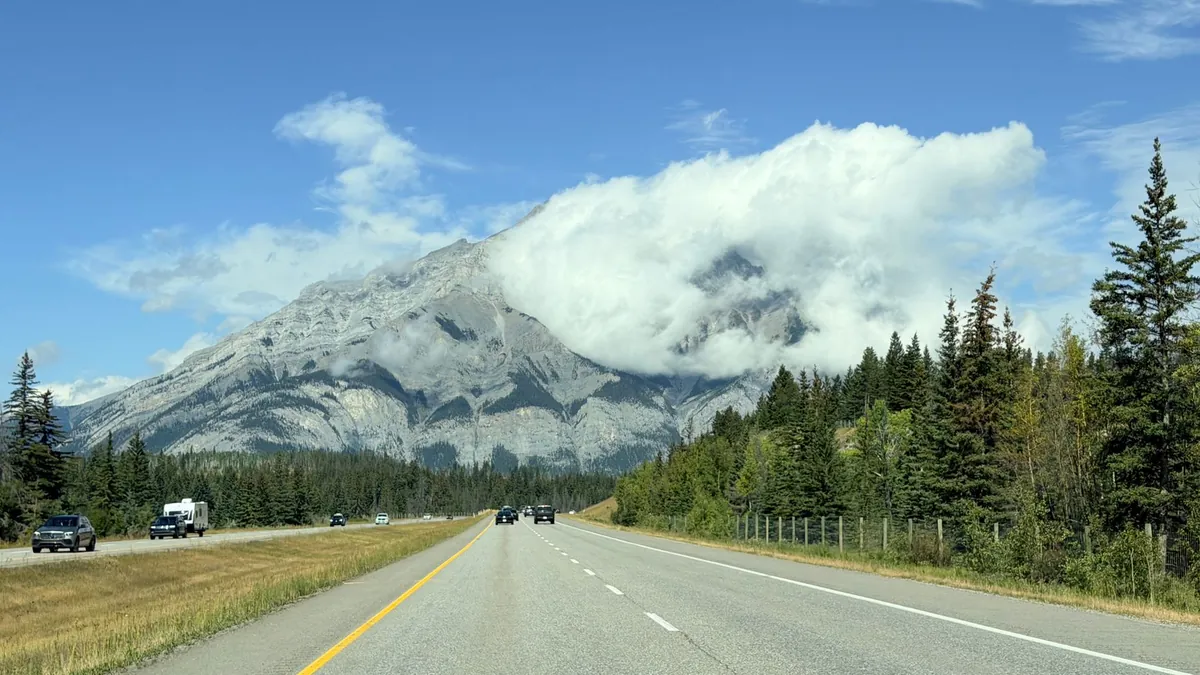
By late October, Rocky Mountain’s famous aspen groves have largely transitioned, but the park’s lower meadows and riparian corridors hold golden color through the final weeks of the month. Trail Ridge Road frames sweeping tundra views against stands of glowing yellow, a combination that rewards visitors willing to brave temperatures that can drop sharply after midday. Avoid overexertion on high-altitude hikes — cold temperatures and physical strain at elevation are a documented health risk, particularly for visitors unaccustomed to altitude.
- Key Reality: Bear Lake and Moraine Park corridors retain measurable fall color through October 25 in most years.
4. Shenandoah National Park: Ridge-to-Valley Foliage Progression Along Skyline Drive
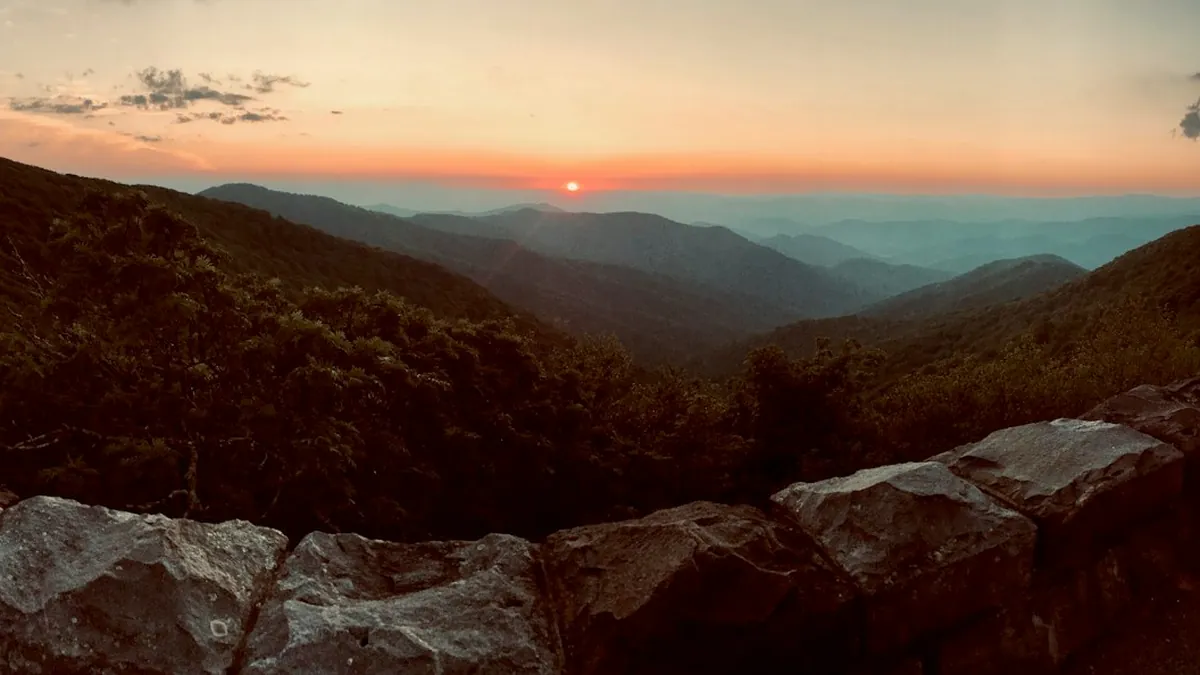
Shenandoah’s 105-mile Skyline Drive is one of the most strategically designed foliage routes in the eastern United States, tracking the color progression from ridge to valley in real time. Late October delivers the drive’s southern sections in full flame — oak, hickory, and sourwood painting the Blue Ridge in rust, amber, and burgundy. The Department of the Interior notes that entry and exit limitations at popular overlooks intensify congestion, so midweek visits between October 22 and 28 are strongly advised.
- Key Reality: The southern district near Rockfish Gap consistently peaks 7 to 10 days later than the park’s northern entrance.
5. North Cascades National Park: Alpine Larch and Mixed Conifer Autumn Transformation
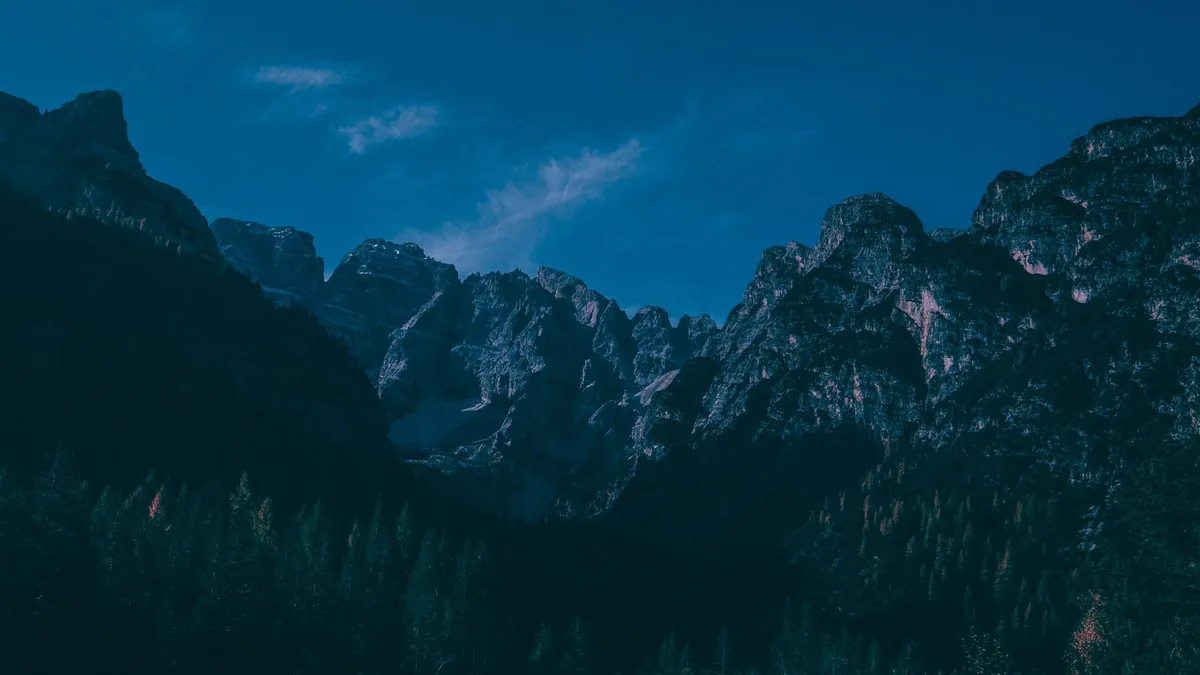
North Cascades is one of the most underrated destinations for national parks autumn foliage in late October, largely because its alpine larch — a rare deciduous conifer — turns a blazing gold that few travelers have ever witnessed. The Maple Pass Loop and Blue Lake Trail frame these golden needles against jagged granite peaks and steel-blue alpine lakes in a combination that feels almost surreal. Photographers following fall foliage photography guides consistently rank early morning light here among the most dramatic in the Pacific Northwest.
- Key Reality: Alpine larch color typically peaks between October 15 and 30, making late October the single best window in the park’s calendar.
6. Zion National Park: Desert Cottonwoods and Riparian Corridor Fall Colors
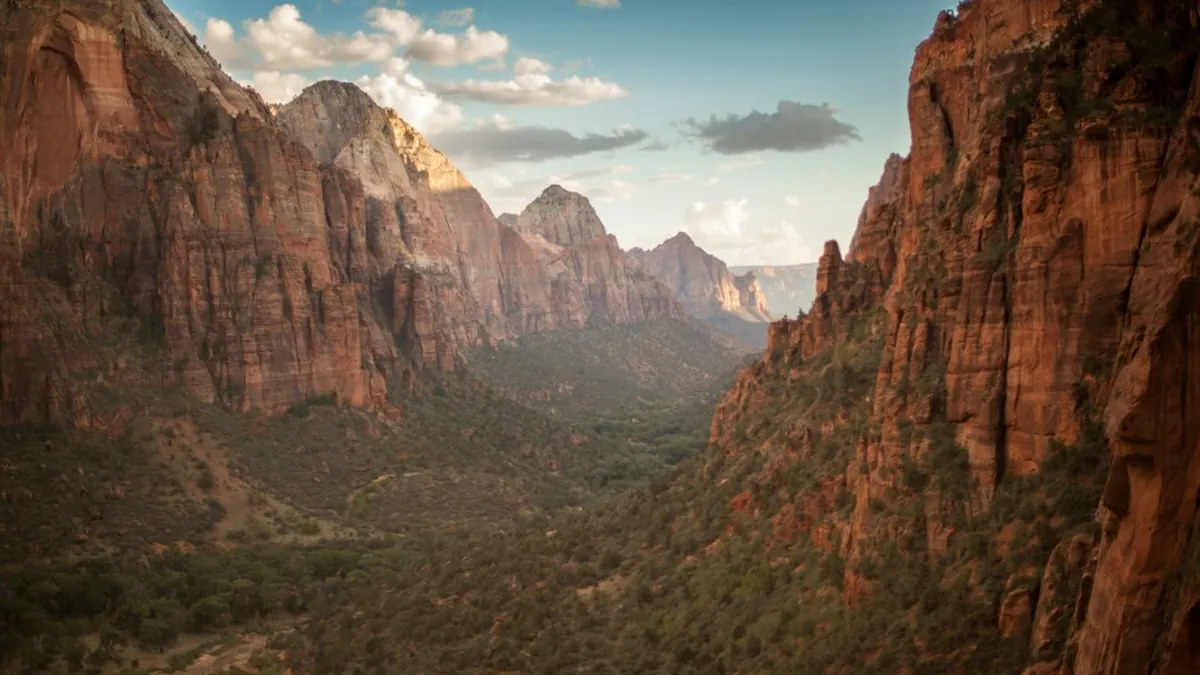
Zion’s autumn palette is a surprise to first-time visitors expecting only red sandstone — the Virgin River corridor explodes with cottonwood gold that contrasts dramatically against canyon walls in late October. Fremont cottonwoods along the Riverside Walk and Zion Canyon Scenic Drive hit peak yellow between October 20 and November 5, creating a warm, luminous glow unique to desert riparian ecosystems. Shuttle crowds thin significantly after mid-October, making this one of the rare moments when Zion’s most iconic views are genuinely accessible.
- Key Reality: Late October temperatures average a comfortable 55–65°F during the day, making canyon hiking far more pleasant than summer visits.
7. Olympic National Park: Temperate Rainforest Deciduous Species Late-Season Display
Olympic’s Hoh Rain Forest and Quinault Valley host a late-season foliage display unlike anything in the continental United States — bigleaf maple draped in moss turns amber and gold against a backdrop of towering Sitka spruce. The effect is otherworldly, and late October’s frequent morning mist amplifies the atmosphere into something closer to a fantasy landscape than a national park. Visitor numbers drop sharply after mid-October, giving photographers and hikers near-solitary access to some of the most photogenic forest corridors on the continent.
- Key Reality: Bigleaf maple — Olympic’s dominant deciduous species — holds color well into early November, extending the viewing window beyond most eastern parks.
8. Black Hills Region Parks: Ponderosa Pine and Aspen Mixed Forest Autumn Palette
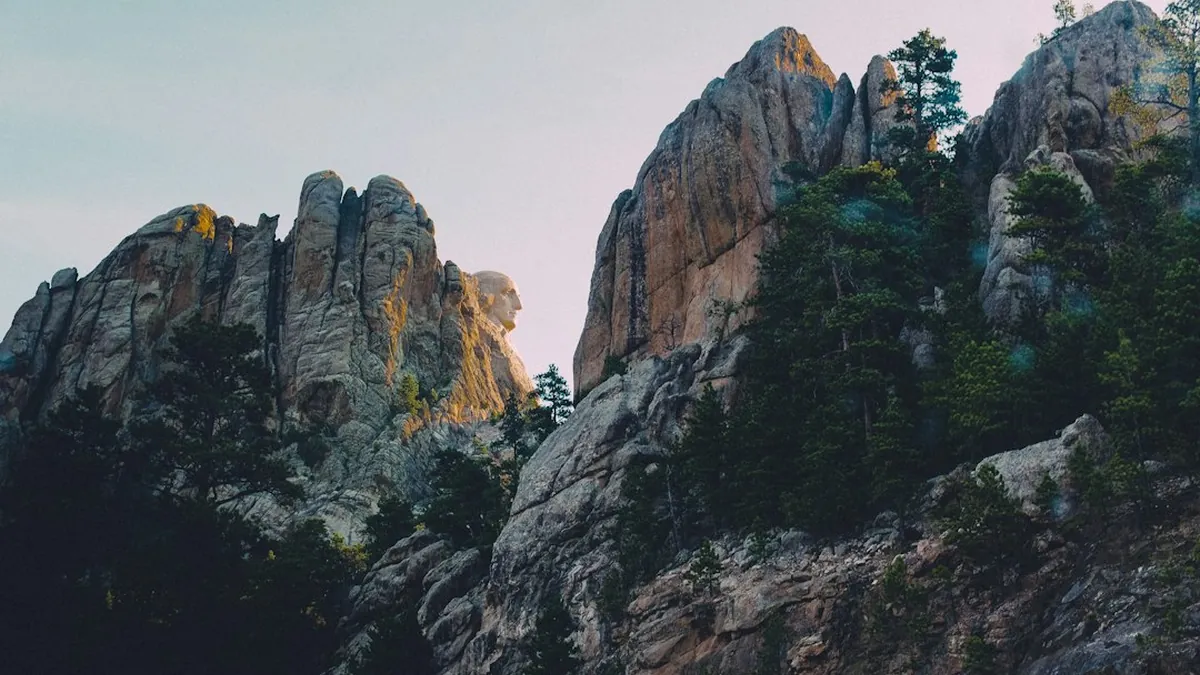
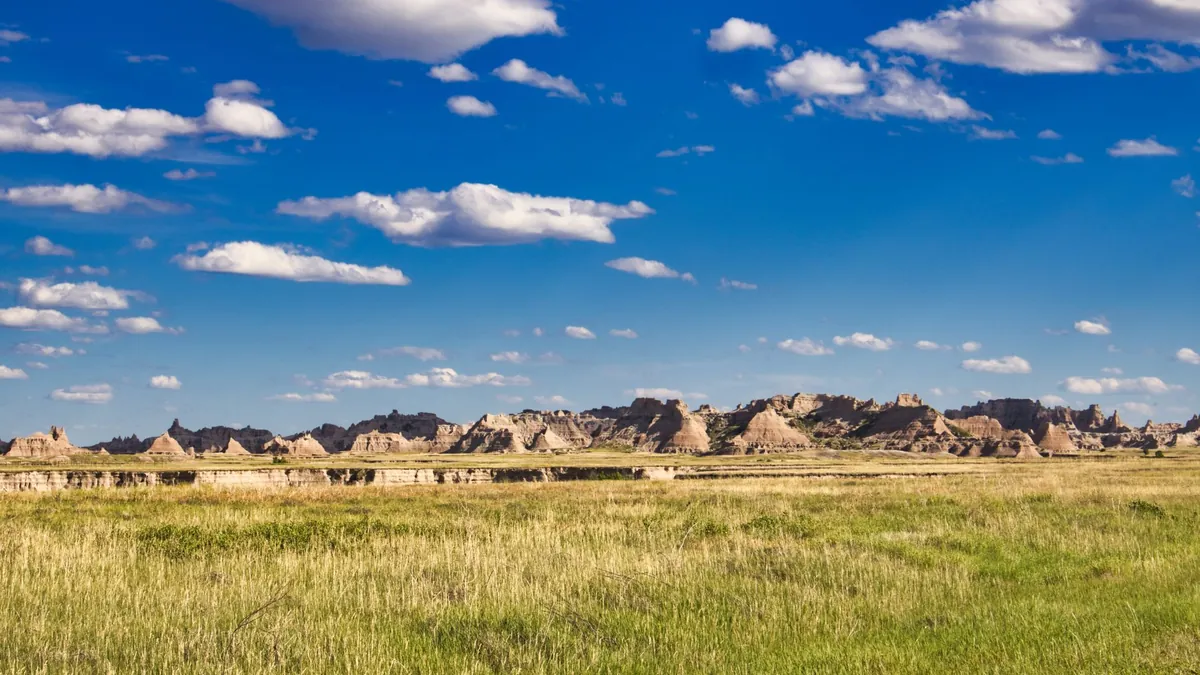
South Dakota’s Black Hills parks — including Wind Cave and Jewel Cave — offer a quieter, less-documented autumn experience anchored by aspen groves glowing gold against dark ponderosa pine. The contrast between the evergreen canopy and the deciduous understory creates a layered visual texture that rewards slow, deliberate exploration rather than drive-through tourism. Planning your logistics early matters here — locking in accommodation and October flight bookings well in advance is essential as regional lodging fills faster than most travelers anticipate.
- Key Reality: The Needles Highway and Iron Mountain Road frame aspen color against iconic granite spires, peaking reliably in the final 10 days of October.
Late October is not the end of fall foliage season — for the right parks, it is the absolute peak, and the travelers who understand that distinction are rewarded with fewer crowds and more color. Whether you’re chasing coastal hardwoods in Maine or desert cottonwoods in Utah, the calendar is working in your favor right now. Drop your favorite late-October park experience in the comments — we want to know which destination surprised you most.
[/