8 National Parks to Visit in Spring Before Summer Crowds
As participants in Amazon Associates and other programs, we earn from qualifying purchases. This comes at no additional cost to you. For more details, see our Affiliate Disclosure.
Spring is the sweet spot for national park visits—crowds are thin, landscapes are alive, and temperatures are manageable. But spring also brings real hazards: flooding, trail closures, and icy patches that catch unprepared hikers off guard.
1. Zion National Park: Red Rock Canyons and Cascading Waterfalls During Peak Snowmelt Season
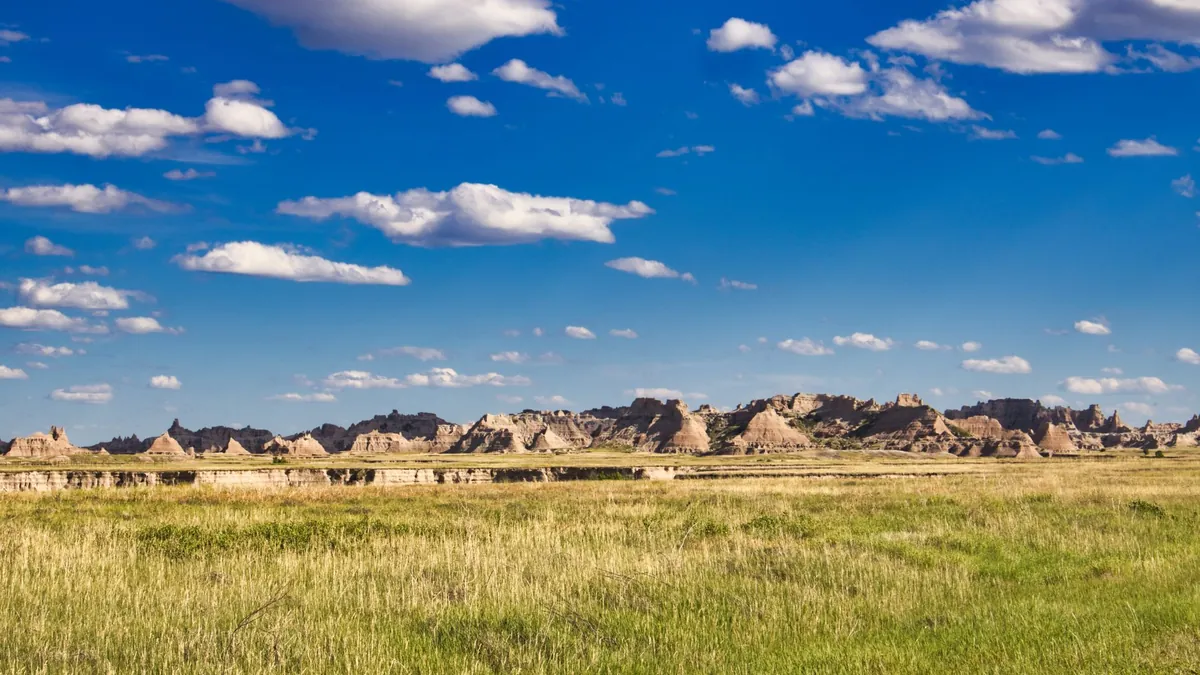
Snowmelt swells Zion’s waterfalls into dramatic cascades, but it also raises flood risk in the Narrows. According to USGS flood hazard data, the worst flooding occurs when heavy rain hits ground already saturated from winter snowmelt—exactly Zion’s spring condition. Check trail status before entering slot canyons.
- Key Takeaway: Always check the Narrows wading forecast before entering—flash floods can surge without warning.
2. Death Valley National Park: Wildflower Superbloom and Desert Flora at Optimal Viewing Conditions
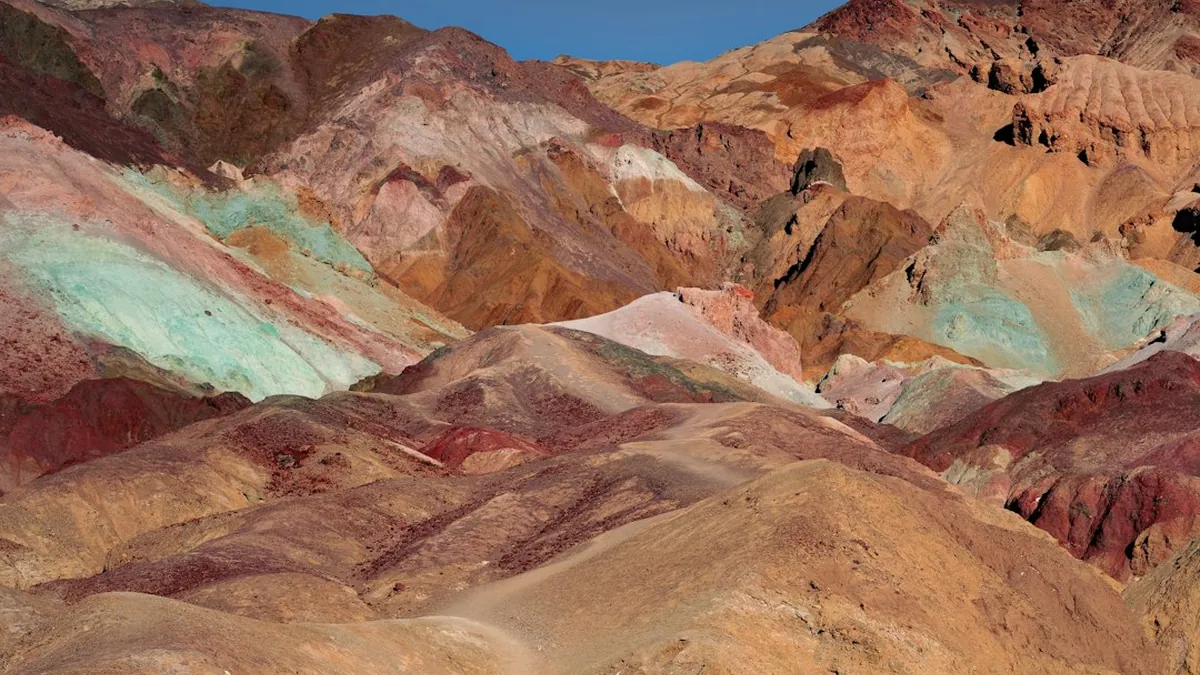
Death Valley’s superbloom typically peaks between late February and April, carpeting the desert floor in gold and purple. Spring temperatures stay below 90°F early in the season, making long hikes through Badwater Basin and Mesquite Flat genuinely enjoyable.
- Key Takeaway: Arrive by 8 a.m. to photograph blooms in soft morning light before heat shimmer sets in.
3. Yellowstone National Park: Wildlife Emergence and Geothermal Features Before Peak Summer Tourism
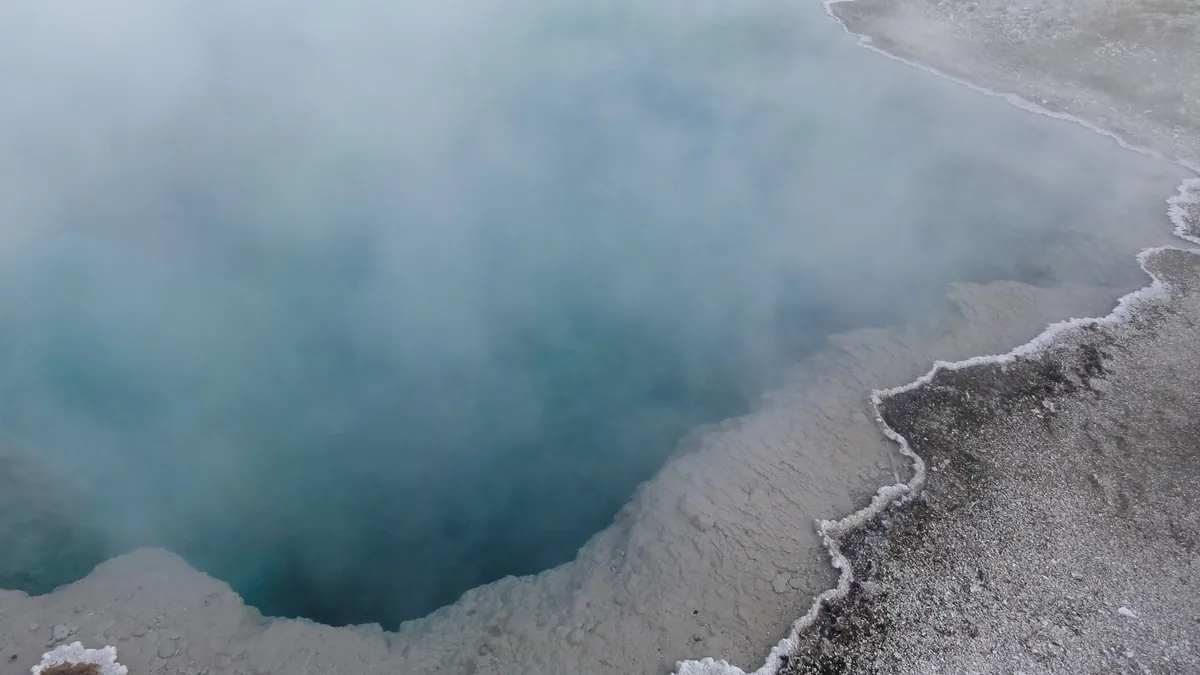
Bison calves, wolf packs, and grizzlies emerging from dens make Yellowstone’s spring wildlife viewing unmatched. Many interior roads open in mid-April, but road conditions remain unpredictable—verify access before driving remote loops.
- Key Takeaway: The Lamar Valley at dawn in May offers the best predator-prey wildlife encounters in North America.
4. Olympic National Park: Temperate Rainforest Renewal and Alpine Meadow Wildflower Displays
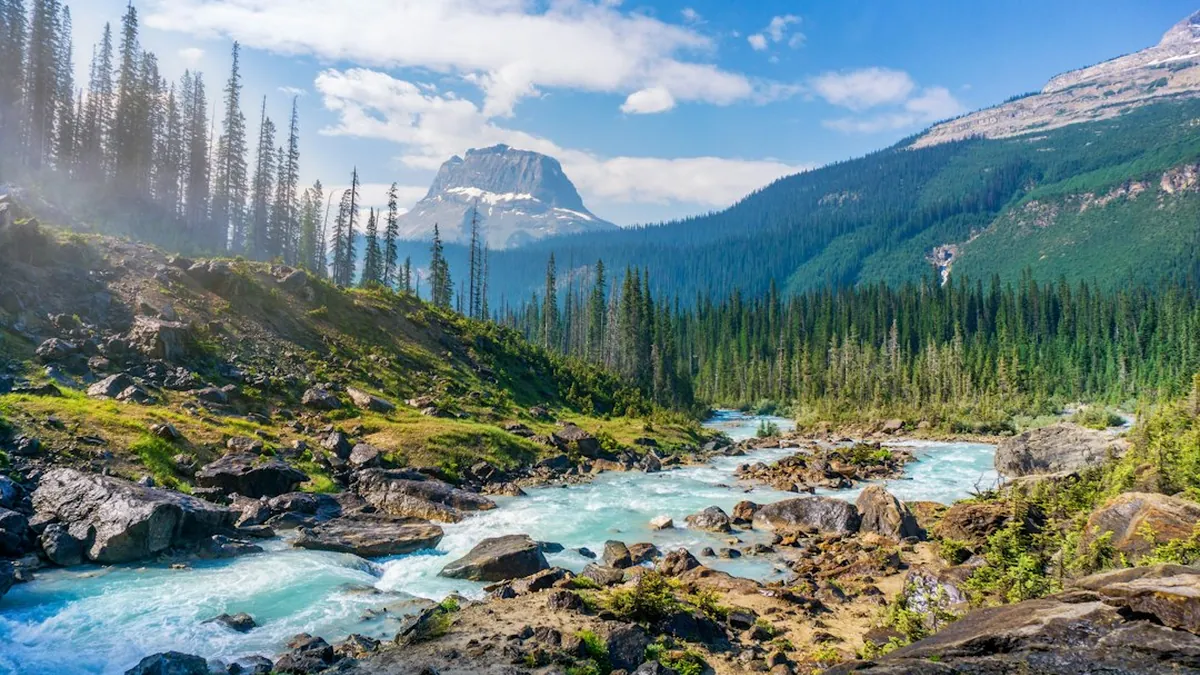
Olympic’s Hoh Rain Forest hits peak green in spring as moss and ferns absorb consistent Pacific rainfall. Higher elevation meadows like Hurricane Ridge still carry snow through May—bring microspikes or another traction device to prevent dangerous slips on icy switchbacks.
- Key Takeaway: Layer aggressively—conditions shift from rain to sun to sleet within a single afternoon hike.
5. Arches National Park: Moderate Spring Temperatures Perfect for Hiking Desert Landscapes
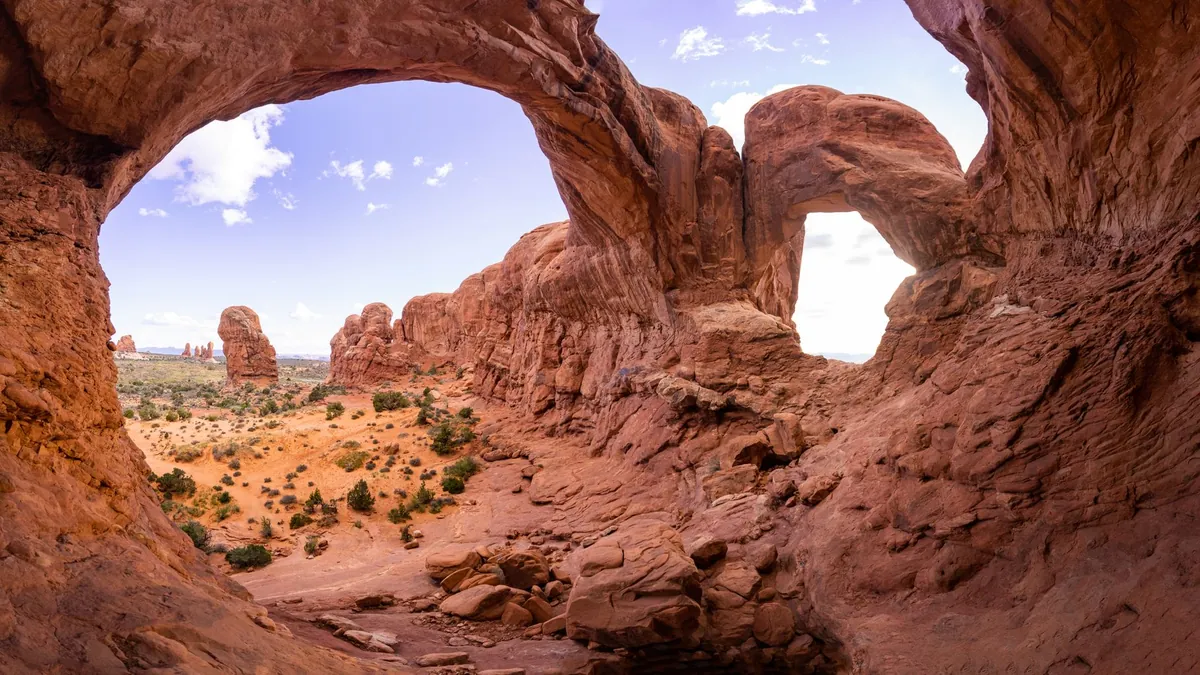
Arches sits in a sweet temperature window from March through May, with highs between 60°F and 80°F ideal for longer trails like Devils Garden. If you’re planning a broader Southwest road trip, the Mesa Verde cliff dwellings pair perfectly as a two-day detour.
- Key Takeaway: Timed entry permits are required—book at recreation.gov the moment your window opens.
6. Grand Canyon National Park: Comfortable Weather and Reduced Visitor Congestion on Rim Trails
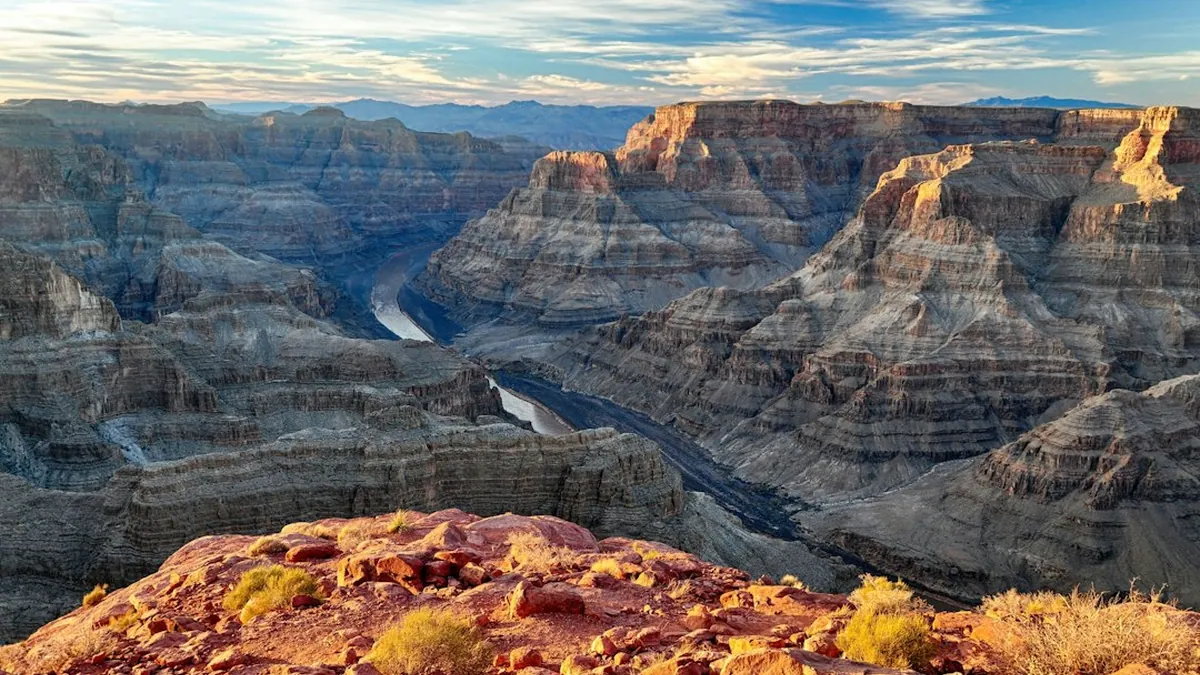
South Rim trails are accessible year-round, but spring brings comfortable 50°F–70°F temperatures without summer’s brutal inner-canyon heat. For families planning this trip, our list of family-friendly vacation spots includes packing and logistics tips that apply directly to canyon visits.
- Key Takeaway: Hike down in the morning and ascend by noon—afternoon sun on south-facing walls heats up fast.
7. Big Bend National Park: Desert Wildflower Blooms and Enhanced Birding Migration Activity
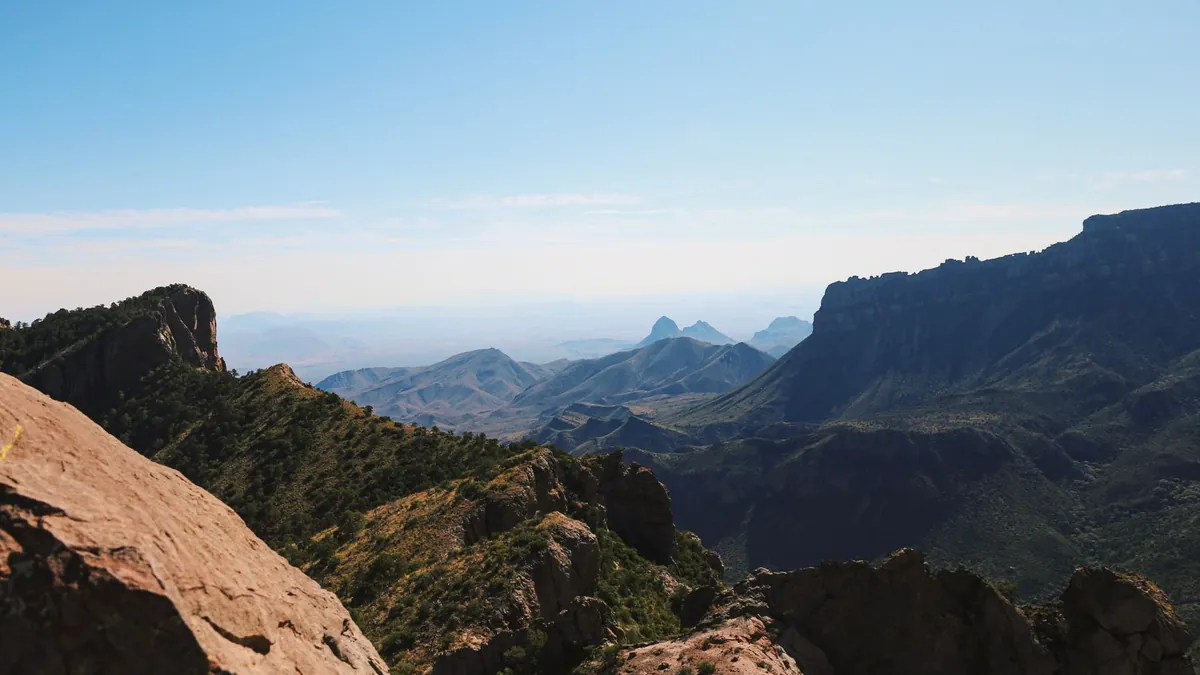
Big Bend sits along a major migratory flyway, and spring brings over 450 bird species through the Chisos Mountains and Rio Grande corridor. Bluebonnets and ocotillo bloom simultaneously in March, creating one of the most photogenic desert landscapes in the American Southwest.
- Key Takeaway: The Colima Warbler—found nowhere else in the U.S.—appears exclusively in Big Bend during spring migration.
8. Capitol Reef National Park: Scenic Drive Accessibility and Spring Water Feature Photography Opportunities
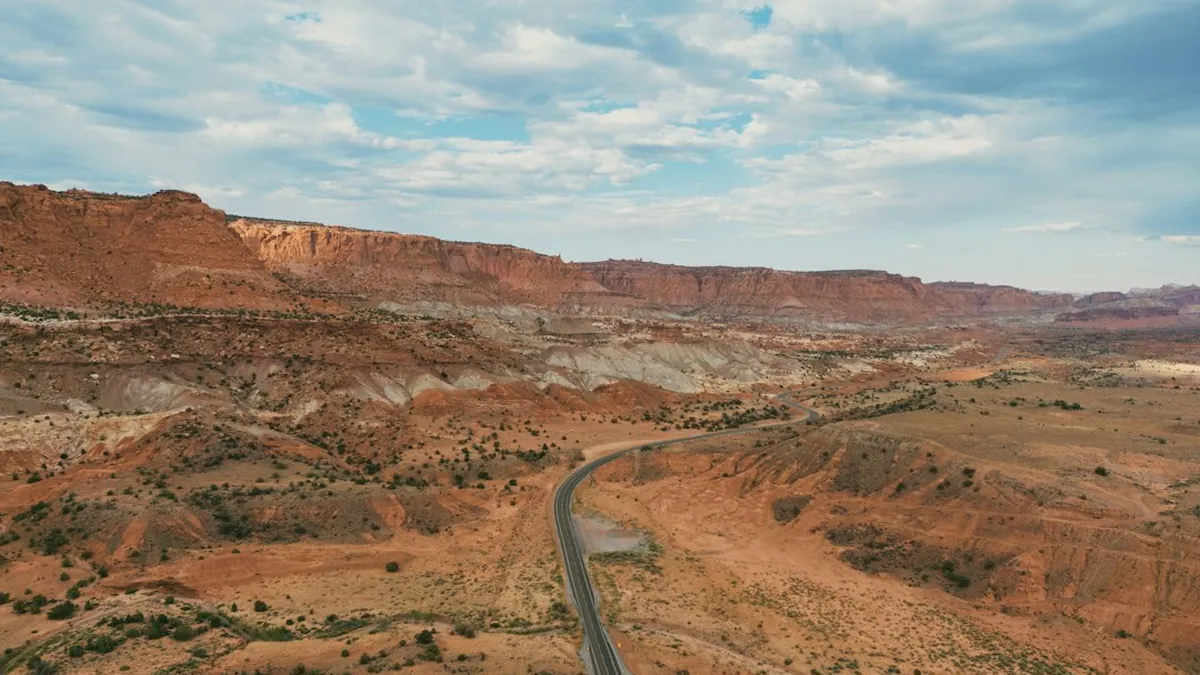
Capitol Reef’s 25-mile Scenic Drive opens fully in spring, revealing slot canyons, waterpockets, and blooming orchards planted by Mormon pioneers. Ephemeral waterfalls appear after spring rains, but spring weather hazards like flash flooding can close wash crossings without notice—always carry a paper map.
- Key Takeaway: Visit the Fruita orchards in May when cherry and apricot trees bloom before the summer harvest crowds arrive.