8 Breathtaking Coastal Towns in Spain Americans Overlook
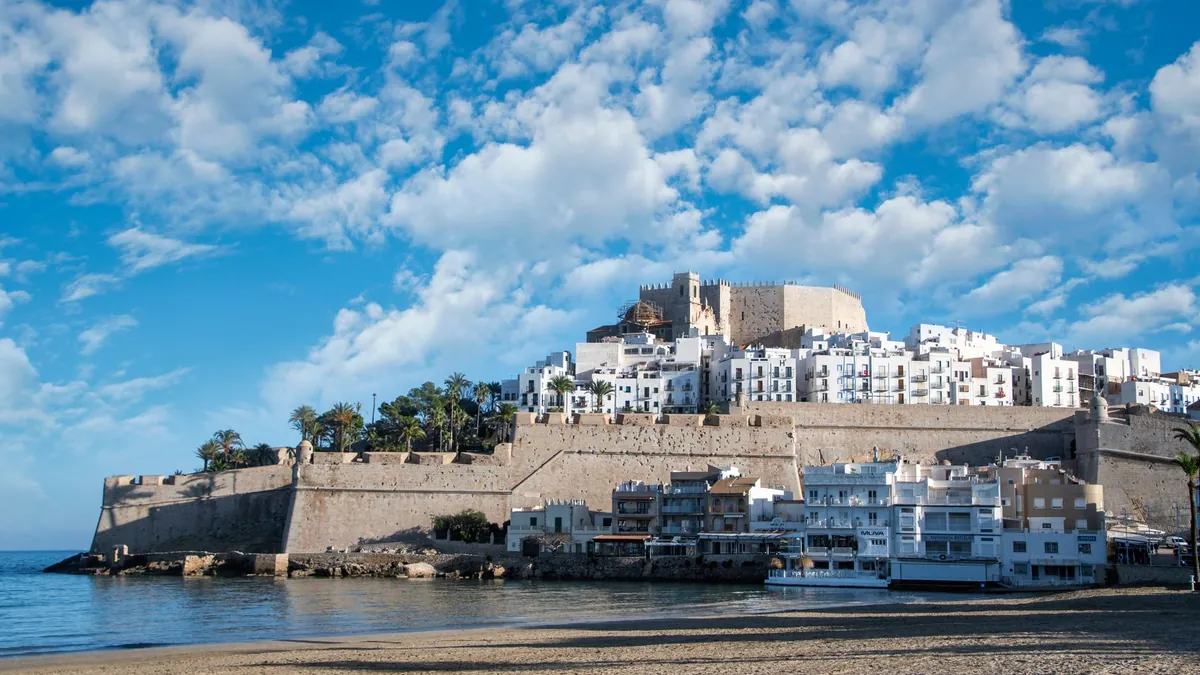
As participants in Amazon Associates and other programs, we earn from qualifying purchases. This comes at no additional cost to you. For more details, see our Affiliate Disclosure.
Every summer, millions of travelers funnel into Barcelona, Málaga, and Ibiza — destinations so saturated with tourism infrastructure that the authentic Spain feels like a rumor. Meanwhile, the country’s most breathtaking coastlines sit quietly off the radar, drawing only those willing to look beyond the obvious.
The hidden coastal towns Spain actually hoards for itself don’t appear on most American travel itineraries, largely because the loudest destinations dominate search results and travel agency packages. If you’re serious about discovering the real texture of Spanish coastal life — the fishing nets, the stone alleys, the €4 wine — this curated list is your starting point, and our guide to Spain’s best summer destinations offers even broader context for planning.
1. Cudillero: Galicia’s Amphitheater Village Perched Above Turquoise Waters
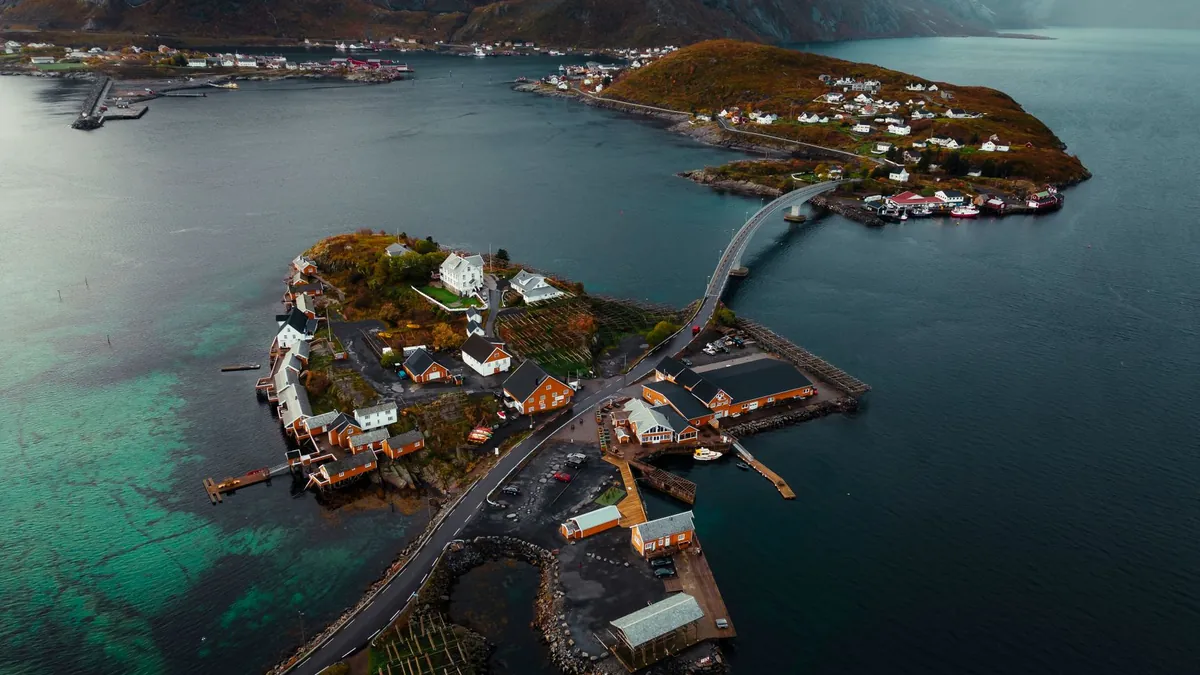
Cudillero tumbles down a narrow ravine toward the Cantabrian Sea in a cascade of painted fishermen’s houses that look almost impossibly cinematic. The village is genuinely working-class and proudly unpolished, which is precisely what makes it magnetic. Budget-conscious travelers will find it aligns beautifully with Spain’s affordable coastal lifestyle.
- Key Reality: A single person can live comfortably in Spain’s smaller coastal towns on approximately €900 – €1,050 per month, according to myspainvisa.com.
2. Frigiliana: Andalusian Whitewashed Charm Overlooking the Mediterranean
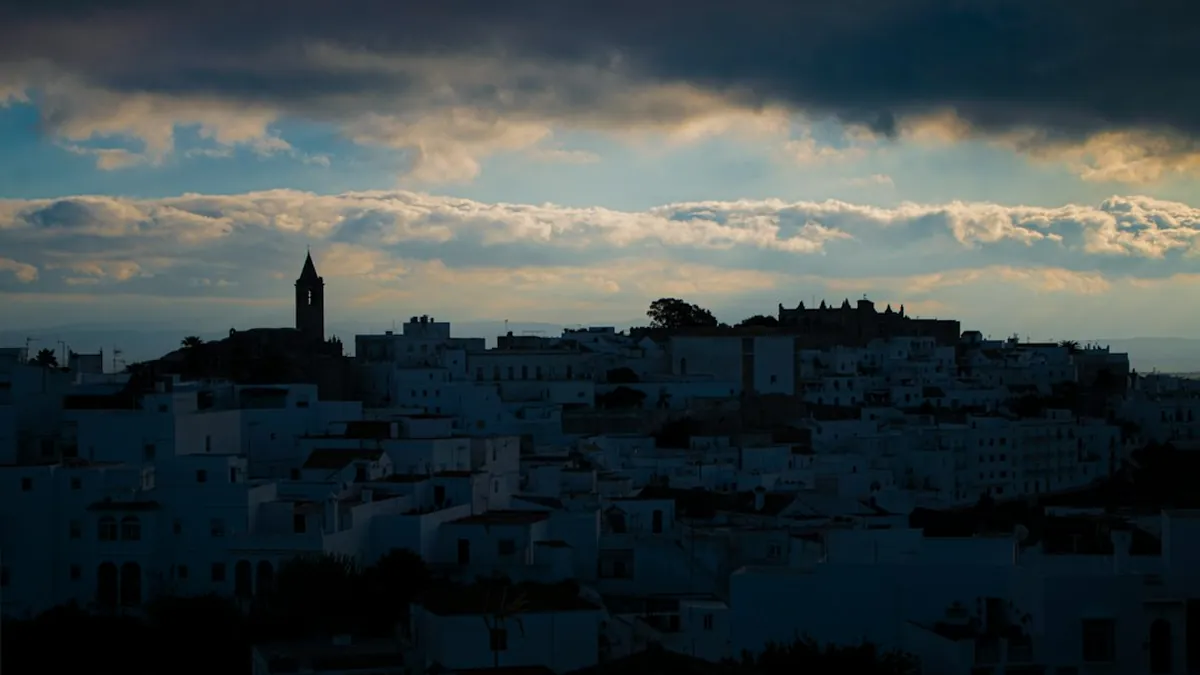
Perched just 7 kilometers inland from Nerja, Frigiliana is a Moorish-influenced village of dazzling white walls, terracotta pots, and steeply winding lanes that reward slow exploration. Its elevated position delivers panoramic Mediterranean views that rival anything the Costa del Sol’s resort strips can offer. It’s the kind of place that makes you immediately rethink your entire travel philosophy.
- Key Reality: Frigiliana has been officially recognized as 1 of Spain’s most beautiful villages by the national association Pueblos Más Bonitos de España.
3. Mundaka: Basque Country’s Fishing Village with World-Class Coastal Cliffs
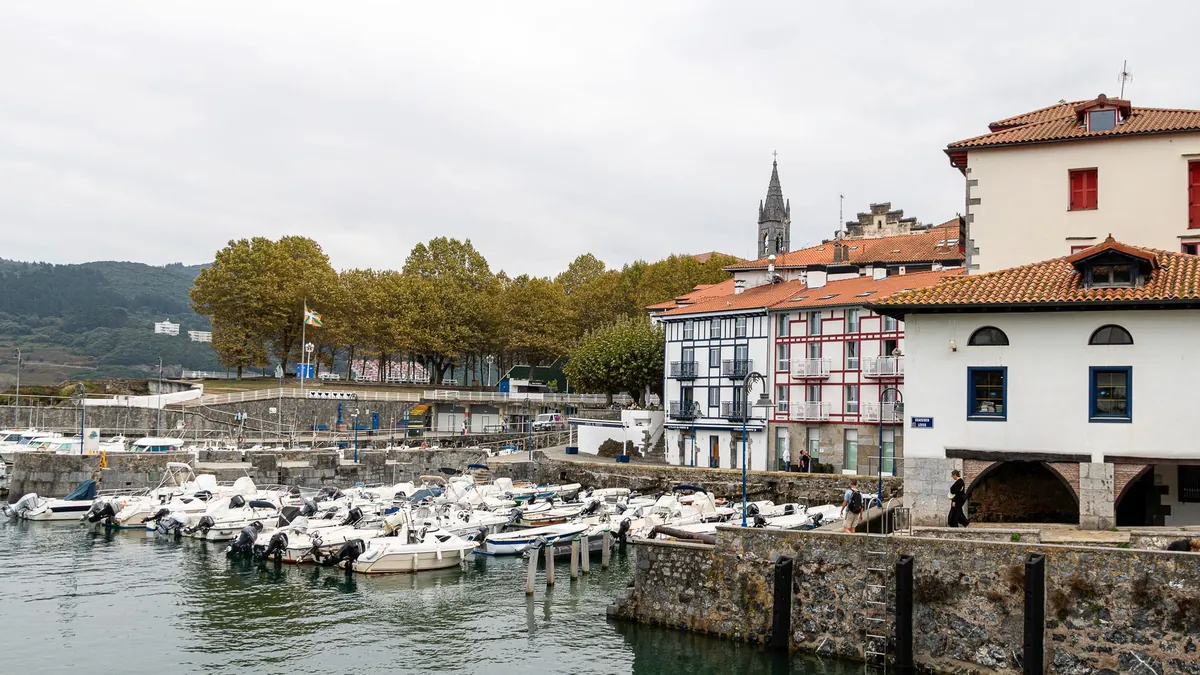
Mundaka sits at the mouth of the Urdaibai Biosphere Reserve, a UNESCO-protected estuary where dramatic cliffs meet one of Europe’s most legendary left-hand surf breaks. The village itself is compact and deeply Basque in character — pintxos bars, stone architecture, and a palpable sense of local pride. Surfers discovered it decades ago; most American tourists still haven’t.
- Key Reality: Mundaka’s surf break is ranked among the top 10 waves in the world by professional surfing organizations.
4. Calella de Palafrugell: Catalonia’s Hidden Cove with Medieval Tower Heritage
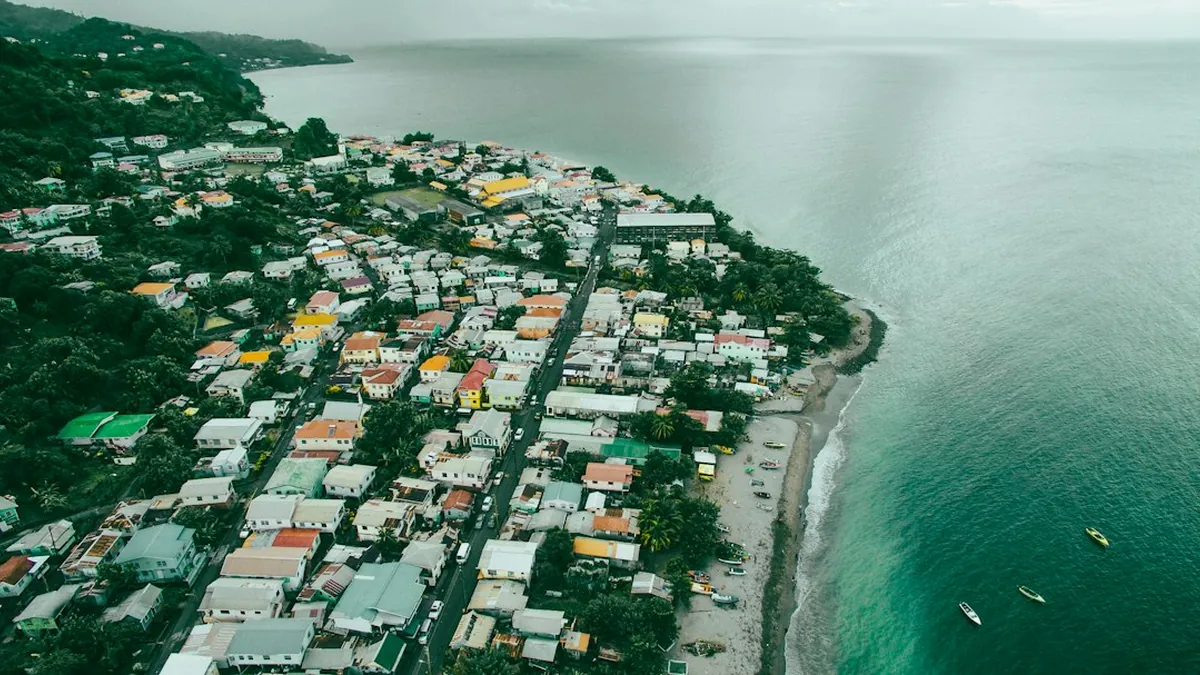
Along the rugged Costa Brava, Calella de Palafrugell strings together a series of small, rock-framed coves anchored by whitewashed fishermen’s houses and a 16th-century watchtower. It lacks the high-rise development that blights much of the Spanish coast, keeping its scale intimate and its atmosphere genuinely Mediterranean. September visits are particularly rewarding — our roundup of aesthetic September travel destinations explains exactly why shoulder season transforms places like this.
- Key Reality: The Costa Brava coastline contains over 200 distinct coves, with Calella de Palafrugell consistently rated among the top 5 for natural preservation.
5. Oliva: Valencia’s Tranquil Beach Town Backed by Orange Groves and Pine Forests
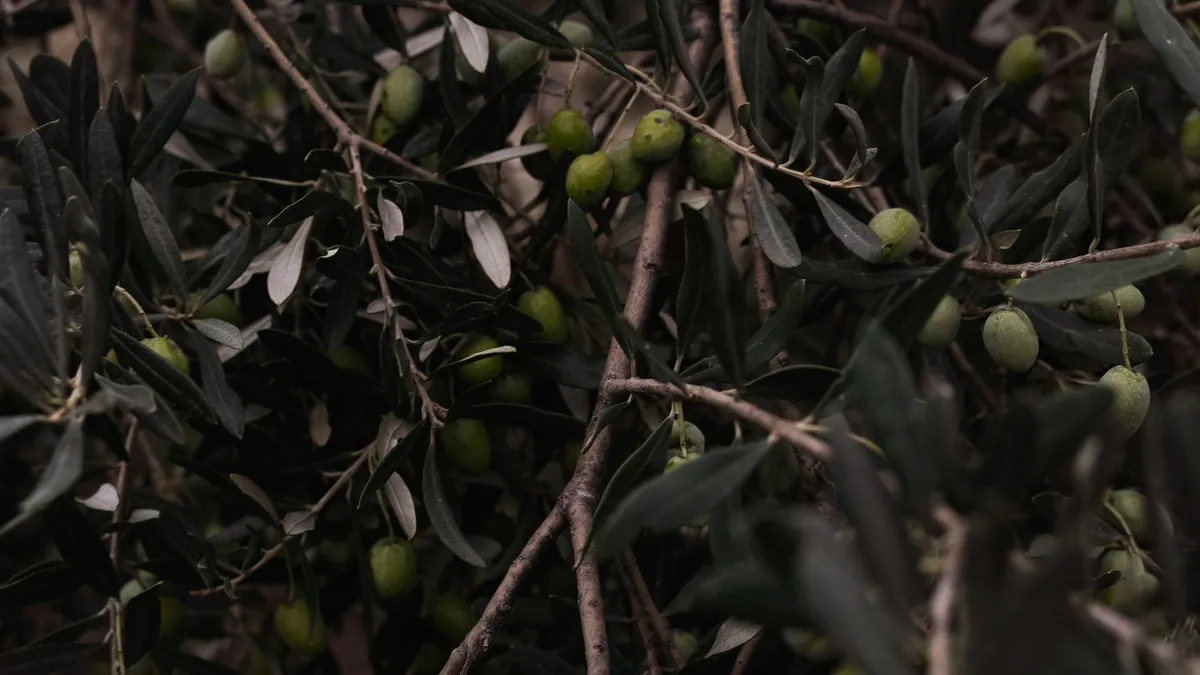
Oliva delivers 15 kilometers of wide, uncrowded sandy beach flanked by fragrant orange groves and pine forests — a combination that feels almost implausibly lush for a coastal town. It sits between the tourist magnets of Gandia and Dénia, which means most visitors simply drive past it. Locals have quietly kept this one to themselves for good reason.
- Key Reality: Oliva’s beaches hold Blue Flag certification, confirming water quality and environmental management standards that rival far more famous Spanish resorts.
6. Combarro: Galician Waterfront Settlement Famous for Traditional Hórreos Granaries

Combarro is perhaps the most architecturally distinctive village on this entire list, defined by its extraordinary collection of stone hórreos — raised granite granaries that line the waterfront of the Ría de Pontevedra like ancient sentinels. The village is a protected historic site, meaning its medieval streetscape remains essentially intact. Walking through it at low tide, with fishing boats grounded on the mud, feels like stepping into a living ethnographic museum.
- Key Reality: Combarro contains the largest concentration of coastal hórreos in all of Galicia, with over 30 examples dating back several centuries.
7. Nerja: Andalusian Coastal Retreat with Dramatic Limestone Caves and Blue Flag Beaches
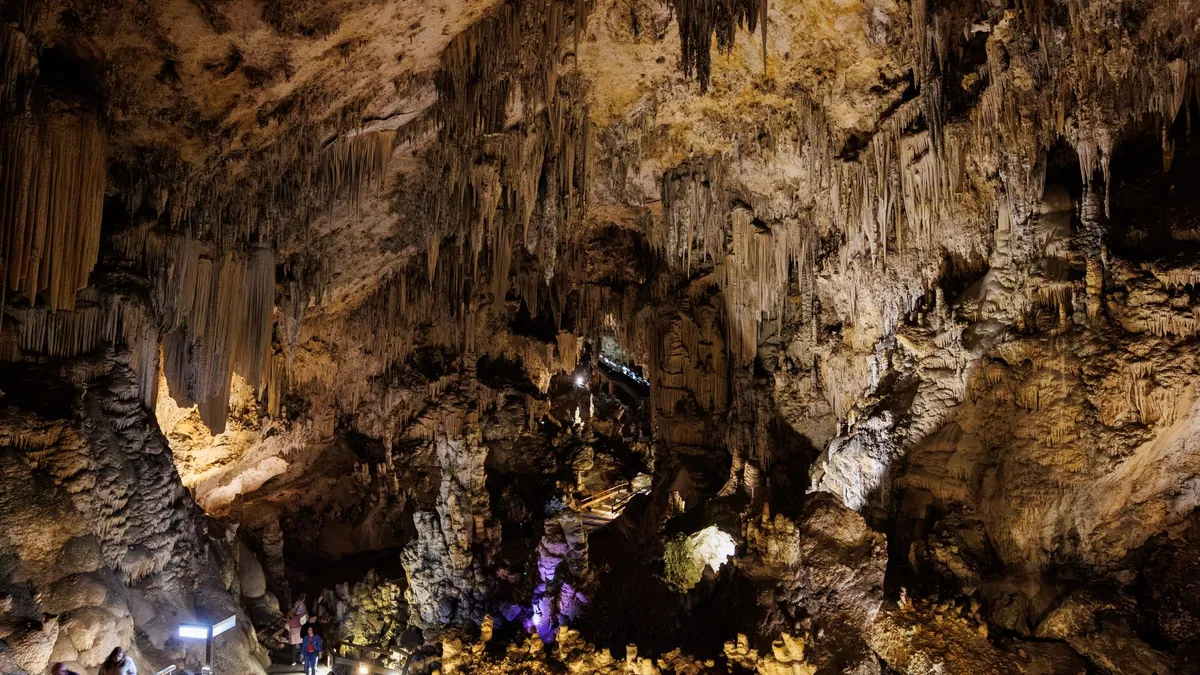
Nerja occupies a clifftop position above a series of sheltered coves on the Costa Tropical, offering a balcony viewpoint — the Balcón de Europa — that has been stopping visitors cold since the 19th century. Beneath the town, the Nerja Caves contain prehistoric paintings estimated to be over 40,000 years old, adding a layer of cultural weight that pure beach towns simply can’t match. It remains far less commercialized than Marbella or Torremolinos, just 50 kilometers to the west.
- Key Reality: Nerja’s Burriana Beach holds Blue Flag status and consistently ranks among Andalusia’s top 3 urban beaches for water clarity and amenity standards.
8. Llafranc: Costa Brava’s Secluded Seaside Haven with Authentic Spanish Fishing Culture

Llafranc is the quieter, more refined sibling of Calella de Palafrugell, sharing the same rocky Costa Brava coastline but offering a slightly longer beach arc and a working lighthouse perched above town. Its seafood restaurants source directly from local boats, and the absence of large hotel chains keeps the atmosphere resolutely local. It is, by almost every measure, exactly what travelers claim to want but rarely find.
- Key Reality: Llafranc’s population swells from roughly 300 permanent residents to several thousand in peak summer — yet it still feels uncrowded compared to mainstream Costa Brava resorts.
Spain’s most rewarding coastal experiences have never belonged to its most famous addresses — they’ve always lived in the villages that reward curiosity over convenience. These 8 destinations prove that the country’s true character is still very much intact, waiting for travelers willing to take the less obvious road. If you’ve already discovered one of these hidden gems or have another overlooked Spanish coastal town to champion, share it in the comments below.